

Why You Have Huge Thighs & What to Do About It
Let’s talk about that stubborn belly fat—the kind that sticks around no matter how many crunches you do. While a good abdomen fat loss exercise routine is important, sometimes you need a different approach. A laser treatment to remove belly fat might sound like science fiction, but it’s a surprisingly straightforward, FDA-cleared process. It uses focused light energy to gently warm and damage fat cells beneath your skin, without touching the surrounding tissue. Over the next few weeks, your body’s own lymphatic system simply clears them away for good. It’s a smart, non-surgical path to a more defined shape.
Key Takeaways
- Use It to Fine-Tune, Not to Lose Weight: This treatment is designed to contour specific, stubborn areas like the abdomen or thighs—it’s the final step after you’ve put in the work with diet and exercise.
- Expect Minimal Downtime but Gradual Results: You can return to your daily routine right after a session, but your body needs time to work. The final, sculpted look appears over several weeks as your system naturally clears the treated fat cells.
- Your Habits and Your Provider Determine Your Success: The fat cells are permanently removed, but maintaining a stable weight is crucial for long-term results. Choosing a qualified provider with modern technology is the first step to a safe and effective outcome.
Understanding the Reasons Behind Thigh Size
Have you ever felt like your thighs have a mind of their own, regardless of your diet or workout routine? You’re not alone. The size and shape of our thighs are influenced by a combination of factors that are often beyond our direct control. It’s not just about what you eat or how much you exercise; your body’s unique blueprint plays a significant role. Understanding these underlying reasons can help you set realistic goals and approach your body with more compassion and knowledge. It’s the first step toward creating a plan that works for you, whether that involves embracing your natural shape or exploring ways to tone and contour specific areas.
Genetics, Hormones, and Age
First, let’s talk about genetics. If your family members tend to have larger thighs, there’s a good chance you will too. Our DNA dictates where our bodies prefer to store fat, and for many women, that place is the hips, thighs, and buttocks. Hormones, particularly estrogen, also encourage fat storage in these areas. This is a completely normal biological process. As we age, our metabolism naturally slows down, and if we become less active, it can become easier to accumulate fat. These three factors—genetics, hormones, and age—create a powerful combination that largely determines our natural body shape, including the size of our thighs.
The Difference Between Muscle and Fat
It’s also important to distinguish between muscle and fat. If you lead an active lifestyle, your thigh size might be due to well-developed muscle mass, not excess fat. Activities like running, cycling, hiking, and strength training exercises such as squats and lunges are fantastic for building strong quadriceps and hamstrings. Strong legs are a sign of fitness and power, so if your thighs feel firm and toned, you can thank your hard work. Of course, it’s also common to have a combination of both muscle and a layer of fat on top, which is perfectly normal and healthy.
The Unexpected Health Perks of Stronger Thighs
While many of us focus on the appearance of our thighs, there’s a growing body of research that highlights the surprising health benefits of having a little more substance there. Strong, muscular thighs aren’t just for athletes; they play a crucial role in our overall health and longevity. Shifting the focus from simply wanting “slimmer” thighs to appreciating their strength can be an empowering perspective. From protecting your heart to supporting your mobility as you get older, your thighs do more for you than you might realize. Let’s explore some of the science-backed advantages of having stronger, more substantial thighs.
Links to Reduced Disease Risk
Believe it or not, having larger thighs could be a good sign for your long-term health. Studies have shown that people with a thigh circumference of around 24 inches or more may have a lower risk of heart disease and premature death. Researchers believe this is because greater thigh mass often indicates more muscle, which is better at processing blood sugar and can lead to lower insulin resistance. This doesn’t mean you should ignore overall body composition, but it does suggest that having strong, muscular legs contributes positively to your metabolic health and can be a protective factor against chronic diseases.
Supporting Your Body as You Age
As we get older, maintaining muscle mass becomes incredibly important for our independence and quality of life. Strong leg muscles are essential for basic movements like walking, climbing stairs, and getting up from a chair. They provide stability, support your joints, and reduce the risk of falls and injuries. Having more muscle mass also helps your body recover more efficiently from illness or surgery. Building and maintaining strong thighs throughout your life is an investment in your future self, ensuring you can stay active, mobile, and self-sufficient for years to come.
Could It Be Lipedema? A Medical Perspective
For some people, the size of their thighs isn’t related to lifestyle or typical fat distribution but is instead caused by a medical condition. If you’ve noticed that your lower body seems disproportionately larger than your upper body, and the tissue feels painful or bruises easily, it’s worth considering if something more is going on. Lipedema is a chronic disorder that is often misdiagnosed as simple obesity or lymphedema. Understanding its key characteristics is the first step toward getting a proper diagnosis and finding the right management plan. It’s a condition that requires medical attention, not just a different diet or exercise routine.
What Is Lipedema?
Lipedema is a condition characterized by an abnormal and often symmetrical buildup of fat in the lower body, typically affecting the buttocks, thighs, and calves. It can sometimes affect the upper arms as well, but it almost never involves the hands or feet. This isn’t ordinary fat; the fat cells in people with lipedema are different and can be painful to the touch. The condition occurs almost exclusively in women and often starts or worsens during times of hormonal change, such as puberty, pregnancy, or menopause. It’s a progressive disorder, meaning it can worsen over time if not managed properly.
When to Consult a Doctor
If you suspect you might have lipedema, it’s crucial to consult a doctor. Key signs to look for include a lower body that is significantly larger than your upper body, skin that feels tender, cool, or doughy, and easy bruising in the affected areas. If the size of your thighs causes you pain, leads to significant swelling, or makes it difficult to move or walk, seeking a medical opinion is essential. A doctor can help rule out other conditions and provide an accurate diagnosis, which is the first step toward creating a treatment plan to manage symptoms and improve your quality of life.
Let’s Talk About Cellulite
Cellulite is one of the most common cosmetic concerns, affecting the vast majority of women at some point in their lives, regardless of their size or weight. It often appears on the thighs and buttocks, creating a dimpled or “orange-peel” texture on the skin. Despite being incredibly common, there are a lot of myths and misconceptions surrounding what cellulite is and what causes it. It’s not a sign of being unhealthy or overweight; it’s simply a result of the way our skin, fat, and connective tissues are structured. Understanding the anatomy behind it can help demystify the condition and guide you toward effective solutions.
What Causes Skin Dimpling?
The appearance of cellulite is caused by the interaction between fat cells and the connective tissue beneath your skin. Imagine a network of fibrous bands, called septae, that run vertically, connecting your skin to the muscle underneath. In women, these bands are structured like columns. When fat cells push upward against the skin and these tough, inflexible bands pull downward, it creates the uneven, dimpled surface we recognize as cellulite. Factors like genetics, hormones, and skin thickness all play a role in how visible cellulite is, which is why it can affect anyone.
Approaches to Shaping and Toning Thighs
If you’re looking to change the shape or appearance of your thighs, there are several paths you can take. The best approach often involves a combination of strategies tailored to your specific goals, body type, and lifestyle. It starts with foundational habits like diet and exercise, which are essential for overall health and body composition. For those seeking more targeted results, professional treatments offer advanced solutions for reducing stubborn fat, tightening skin, and smoothing cellulite. Exploring all your options allows you to create a comprehensive plan that helps you feel confident and strong in your body.
Lifestyle Changes: Diet and Exercise
A healthy lifestyle is the cornerstone of any body-shaping goal. A balanced diet rich in fruits, vegetables, lean proteins, and whole grains provides the nutrients your body needs to build muscle and maintain a healthy weight. Reducing your intake of processed foods, sugary drinks, and unhealthy fats can also make a significant difference. When it comes to exercise, a combination of cardiovascular activities (like running or cycling) and strength training is key. Cardio helps burn overall body fat, while targeted exercises like squats, lunges, and leg presses build muscle, creating a more toned and sculpted appearance in your thighs.
An Overview of Professional Treatments
When diet and exercise aren’t enough to achieve your desired results, professional treatments can help you cross the finish line. The world of aesthetics offers a range of options, from surgical procedures to innovative non-invasive technologies. These treatments are designed to address specific concerns like stubborn pockets of fat that resist your best efforts, loose skin from weight loss or aging, and the persistent appearance of cellulite. Understanding the different types of treatments available can help you make an informed decision about what might be right for you, in consultation with a qualified professional.
Surgical Options like Thigh Lifts
For those seeking dramatic and immediate changes, surgical options are available. A thigh lift, or thighplasty, is a procedure that removes excess skin and fat from the thighs to create a smoother, more toned contour. It’s often chosen by individuals who have experienced significant weight loss and are left with loose, sagging skin. Liposuction is another common surgical procedure that directly removes fat deposits from targeted areas, including the inner and outer thighs. While effective, these options are invasive, require significant downtime for recovery, and come with the risks associated with any surgery.
Non-Invasive Technologies
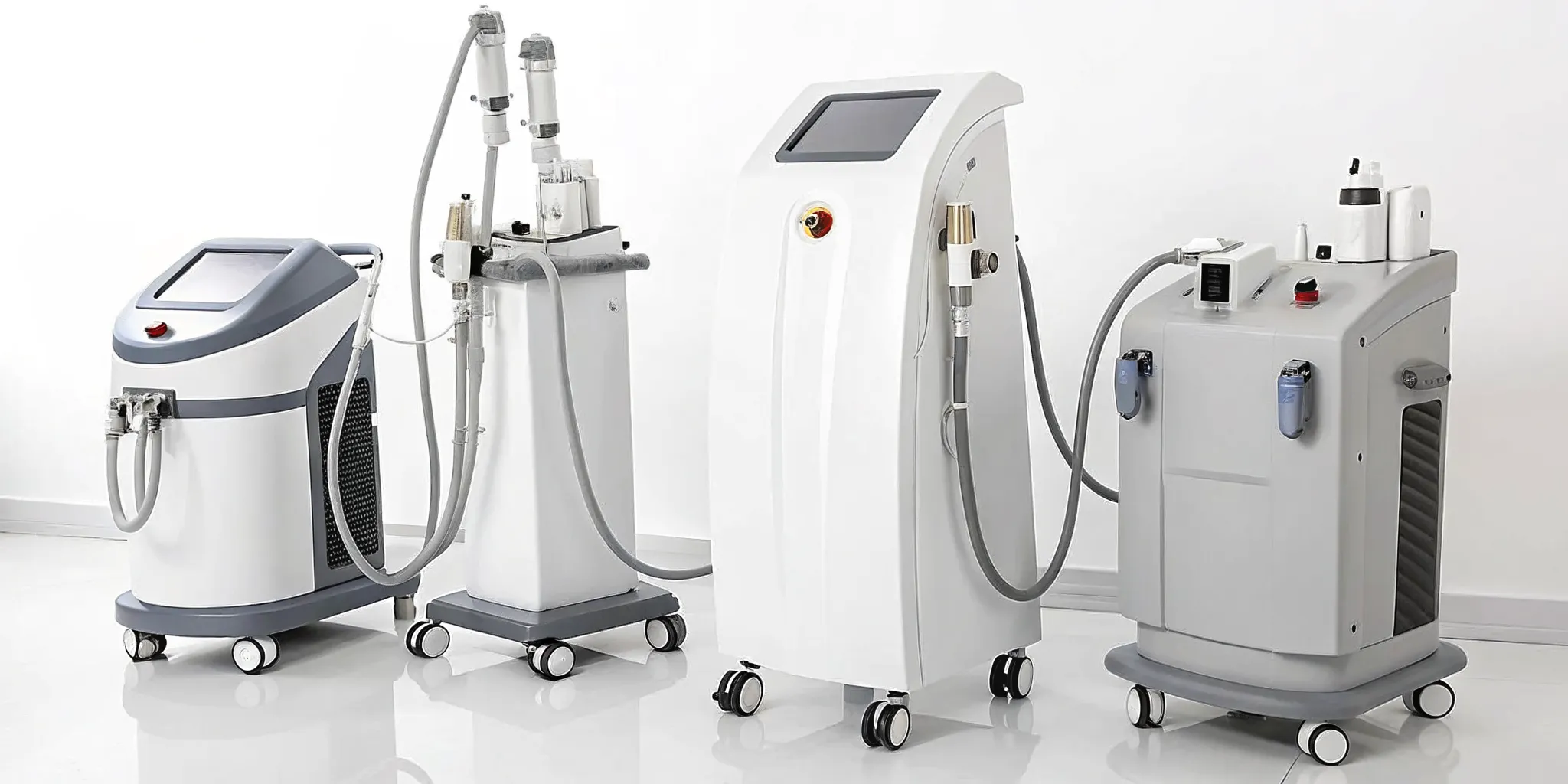
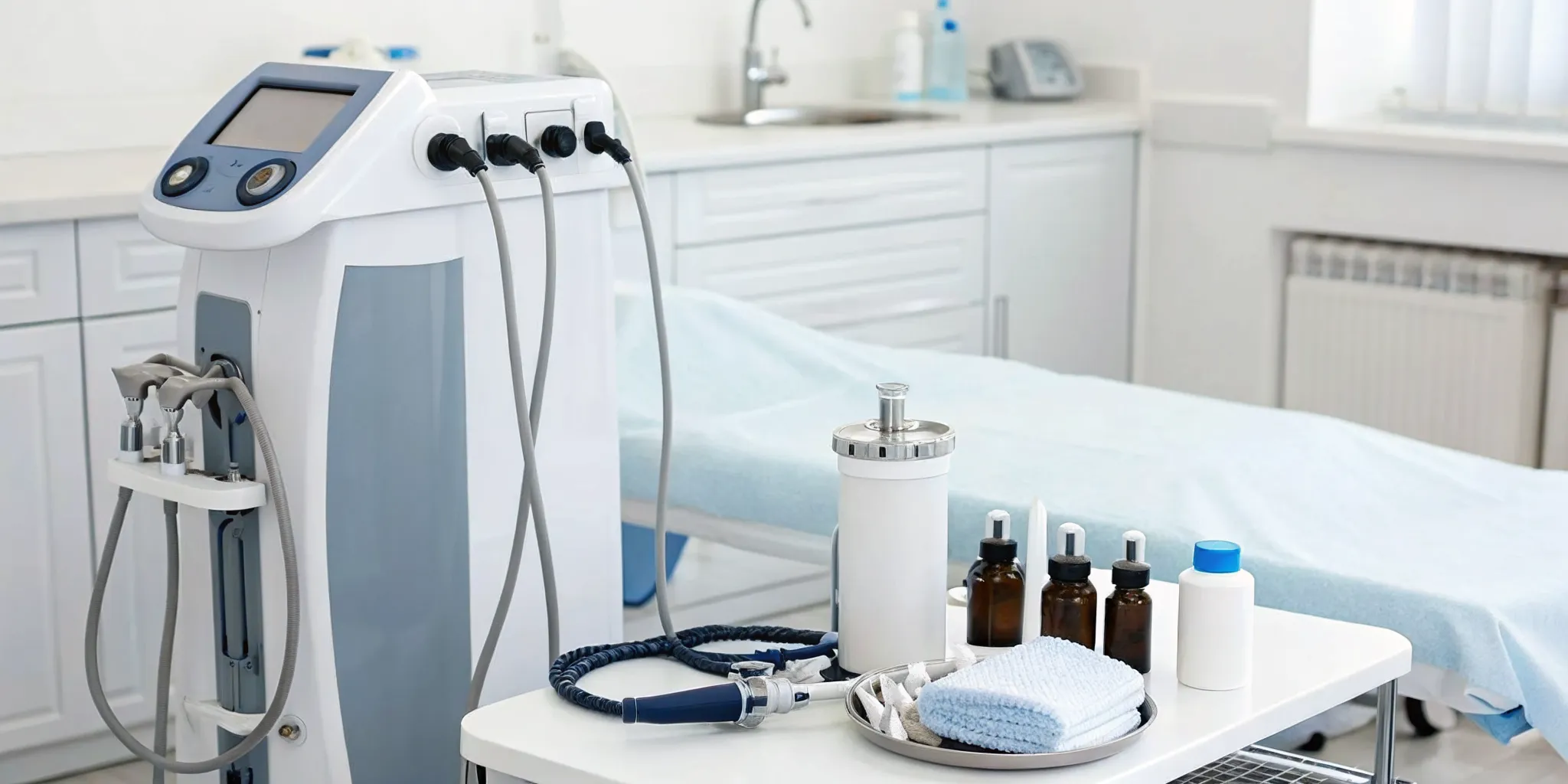
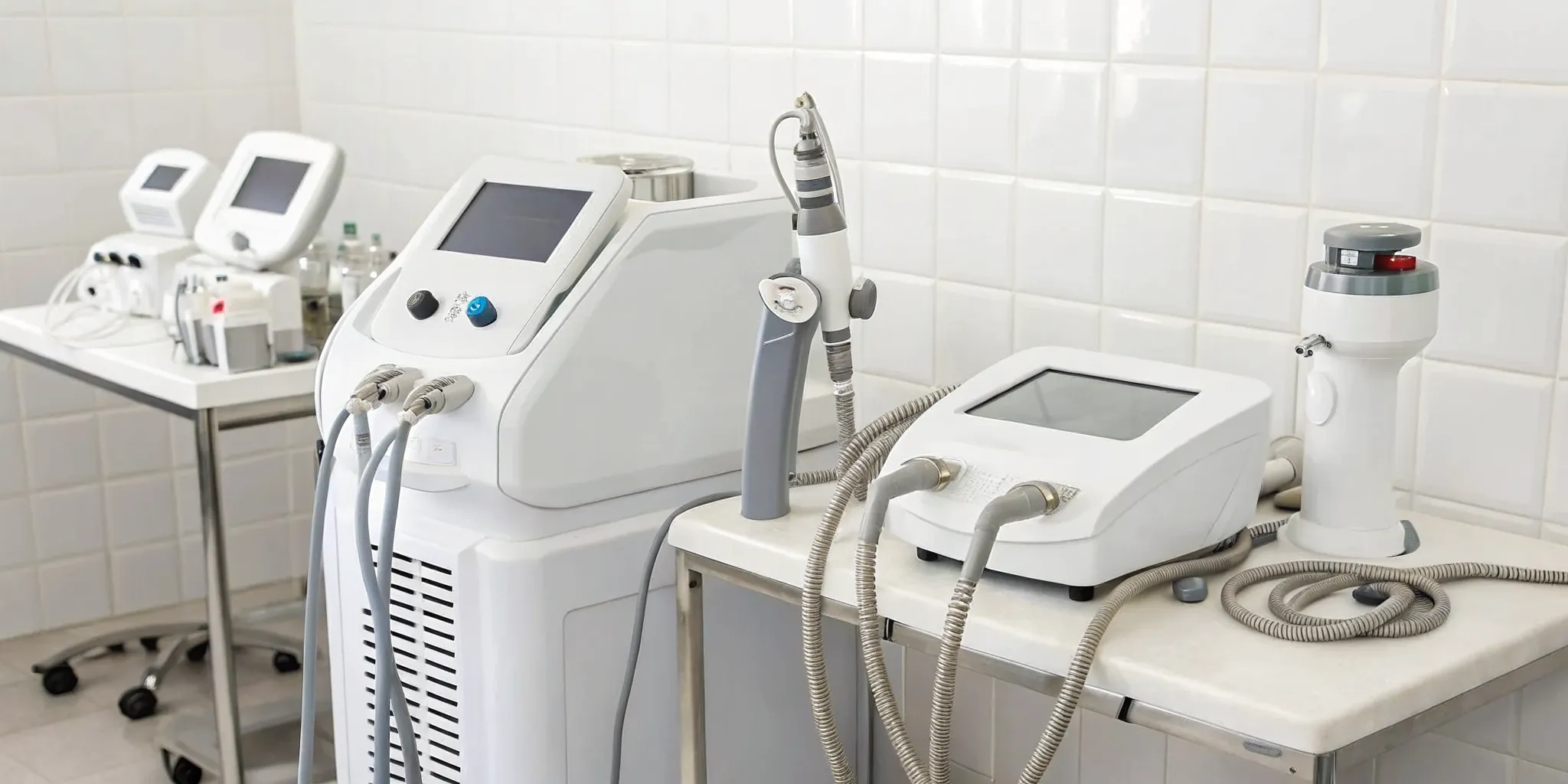
If you’re looking for a solution without the surgery, downtime, or risks, non-invasive technologies offer a powerful alternative. At LightRx, we specialize in FDA-cleared treatments that use advanced energy-based devices for body contouring. These technologies can permanently eliminate fat cells, tighten skin, and reduce the appearance of cellulite. For example, our laser fat removal treatments target and destroy fat cells, which are then naturally flushed out by your body. We also offer services specifically for cellulite reduction and skin tightening, which use technologies like radiofrequency to stimulate collagen production and restore a smoother, firmer look to your thighs. These treatments are a great way to fine-tune your shape with no needles and no recovery time.
So, How Does Laser Fat Removal Really Work?
It might sound like something from a science fiction movie, but using lasers to remove fat is a well-established and effective technique. The process is designed to target and eliminate fat cells without the need for major surgery, helping you contour your body and address those stubborn spots that diet and exercise can’t seem to touch.
What’s Happening to Your Fat Cells?
So, how does a laser actually get rid of fat? The science is pretty straightforward. Laser fat removal uses focused light energy to heat up fat cells just beneath your skin, leaving the surrounding tissue unharmed. Think of it as a smart-targeting system for unwanted fat. This heat damages the structure of the fat cells, causing them to break down. Over the next few weeks, your body’s natural lymphatic system gets to work, flushing out these damaged cells for good. It’s a non-invasive way to encourage your body to do what it does best—clean house and get rid of what’s not needed. This is the core principle behind treatments like laser lipo.
Are All Laser Treatments the Same?
Not all laser treatments are created equal, and the technology used can vary. Some of the most popular methods are completely non-invasive. In these treatments, a special tool rests on your skin. It sends controlled heat to the fat layer. At the same time, a cooling feature keeps your skin comfortable and safe. Other techniques are minimally invasive. For these, a tiny incision is made, and a very thin laser fiber is inserted to melt the fat cells directly, turning them into liquid. This liquefied fat is then naturally processed and eliminated by your body. The right approach for you depends on your specific goals and the area you want to treat, which is why a personalized consultation is always the first step in any body contouring plan.
Why Choose Laser Fat Removal?
If you’ve been working hard with diet and exercise but still have a few stubborn spots that won’t budge, you’re not alone. It can be frustrating when those last pockets of fat seem to stick around no matter what you do. This is where laser fat removal comes in as a fantastic option. It’s a modern, effective way to target those specific areas without the need for invasive surgery.
Think of it less as a weight loss tool and more as a body sculpting solution. It’s designed to fine-tune your shape, helping you achieve the contours you’ve been aiming for. The technology is impressive, offering a way to address problem areas with precision and minimal disruption to your life. For many people, it’s the final step in their wellness journey, providing the confidence that comes with feeling great in their own skin. The biggest advantages are its gentle nature, quick recovery, and incredible accuracy.
A Kinder, Gentler Way to Sculpt Your Body
When you hear “fat removal,” your mind might jump to traditional liposuction, which is a surgical procedure. But laser fat removal is a completely different experience. It’s a non-invasive treatment, meaning there are no incisions, no general anesthesia, and no lengthy hospital stays. Instead, it uses advanced laser technology to send targeted energy beneath the skin. This energy gently heats and disrupts the fat cells, causing them to break down. Over the following weeks, your body’s natural lymphatic system simply clears these cells away. It’s a much kinder process for your body, working with its own systems to create a smoother, more contoured look.
Get Back to Your Routine, Faster
One of the most appealing aspects of laser fat removal is the zero downtime. Because the procedure is non-surgical, recovery is remarkably quick. Most people can walk out of their appointment and get right back to their daily routine. You might experience some mild redness or tenderness in the treated area, similar to how you’d feel after a tough workout, but it typically subsides within a day or two. This is a huge contrast to traditional liposuction, which can require weeks of recovery. With our body contouring treatments, you don’t have to put your life on hold to get the results you want.
Finally Target That Stubborn Fat
Laser fat removal is incredibly precise, making it the perfect tool for targeting those specific, frustrating areas. It’s ideal for people who are already at or near their ideal weight but need a little help with pockets of fat that resist diet and exercise. Common treatment areas include the abdomen, love handles, thighs, upper arms, and even the area under the chin. The technology allows your technician to focus directly on these spots, sculpting them to create a more defined silhouette. It’s not about changing your whole body; it’s about refining the shape you’ve worked so hard for.
What Areas Can You Treat with Laser Lipo?
One of the best things about laser fat removal is its incredible precision. Think of it less as a tool for overall weight loss and more as a finishing touch for your fitness and diet efforts. It’s designed to address those specific, stubborn pockets of fat that just won’t budge, no matter how many crunches you do or salads you eat. Because the technology is so targeted, it can be used on many different parts of the body to help you achieve the shape you’re working toward.
This treatment is versatile enough to handle both larger areas and smaller, more delicate zones. Whether you’re looking to smooth your midsection, define your jawline, or slim down your arms, laser technology can be adapted to fit your unique goals. It’s all about creating a more contoured and sculpted silhouette by zeroing in on the exact spots that bother you. During your consultation, we can map out a plan that addresses all the areas you want to refine, from your chin down to your knees.
Perfect for Abdominal Fat and Love Handles
Let’s be honest: the abdomen and flanks (what many of us call “love handles”) are often the first places fat appears and the last places it wants to leave. This area can be particularly resistant to diet and exercise, which can feel incredibly frustrating. Laser fat removal is a fantastic option for targeting this stubborn midsection fat. The treatment can precisely target the fat cells around your waist and stomach, helping to create a flatter, more defined core. It’s an effective way to work on your body contouring goals and finally achieve that smoother silhouette you’ve been aiming for.
Sculpting Your Arms and Slimming Thighs
Feeling confident in a sleeveless top or a pair of shorts is a goal for many of us, but stubborn fat on the arms and thighs can get in the way. Whether it’s the back of the upper arms or the inner and outer thighs, these areas can hold onto fat that obscures muscle tone. Laser fat removal can sculpt these spots with precision, reducing unwanted fat and helping to reveal a more toned appearance. Because the treatment also encourages collagen production, many clients find it complements their skin tightening goals, leading to a smoother and more streamlined look for your limbs.
Smoothing Your Back and Neck Area
It’s often the smaller pockets of fat that create the most annoyance—like the bulge along the bra line or the soft area under the chin. These spots are almost impossible to target with exercise alone. Laser fat removal is precise enough to work on these delicate and specific zones. It can smooth out back fat for a sleeker look in your clothes and help define the jawline by reducing submental fat under the chin. This level of detail is what makes it one of the most popular services for achieving a truly refined and polished look from every angle.
How Does Laser Lipo Compare to Other Options?
When you start looking into fat reduction treatments, you’ll quickly find there are quite a few options on the table. From surgical procedures to other non-invasive technologies, it can be tricky to figure out which path is right for you. The best choice really comes down to your specific goals, your comfort level with different procedures, and your lifestyle.
Understanding the key differences can help you make a confident decision. Let’s break down how laser fat removal compares to some of the other popular methods out there, so you can see where it fits in and why it might be the perfect solution for targeting that stubborn fat.
Laser Lipo vs. Traditional Abdomen Liposuction
The biggest difference here is simple: surgery vs. no surgery. Traditional liposuction is an invasive surgical procedure that requires general anesthesia and significant downtime. It works by suctioning fat out of the body, which can be effective but also quite traumatic on your system. Recovery can take weeks, often involving discomfort and compression garments.
In contrast, laser lipo is a non-surgical treatment that gets the job done without the intensity of a major operation. It uses laser energy to heat and destroy fat cells, which your body then eliminates naturally. Because it’s so much gentler, recovery is a breeze—most people are back to their normal routine in a day or two. Plus, the heat from the laser often provides a skin tightening benefit, reducing the chances of loose skin after treatment.
Laser Lipo or CoolSculpting: Which Is Better?
This is a classic “heat vs. cold” matchup. While laser lipo uses controlled heat to melt away fat cells, CoolSculpting uses the opposite approach: cryolipolysis, or fat freezing. It cools targeted fat cells to a temperature that destroys them without harming the surrounding skin or tissue. Both are effective non-invasive methods for reducing fat pockets.
The main differences often come down to the treatment experience and timeline for results. With laser fat removal, you might see noticeable changes in about six weeks, with final results appearing around the 12-week mark. CoolSculpting can take a bit longer, with final results sometimes taking two to three months to fully develop. Your provider can help you decide which technology is a better match for your body and your goals.
A Quick Comparison of Your Choices
Non-surgical treatments like laser lipo are designed for a specific purpose: fine-tuning. They are ideal for people who are already close to their target weight but have stubborn pockets of fat that just won’t budge with diet and exercise. Think of it less as a weight-loss tool and more as a body contouring solution.
These procedures are not meant for significant fat reduction across large areas of the body. Instead, they excel at sculpting and shaping specific spots like the abdomen, thighs, or arms. If your goal is to permanently get rid of frustrating fat bulges while also tightening the skin in that area, laser lipo can be an incredible investment in feeling like your best self.
Let’s Talk Safety: Risks and Side Effects
Making an informed decision about any aesthetic treatment means knowing the full picture—the amazing results and the potential side effects. The good news is that non-invasive laser fat removal has a strong safety profile, but it’s still important to know what to expect. Being prepared helps you feel confident and comfortable throughout the entire process, from your first session to seeing your final, sculpted look. Let’s walk through what happens after a treatment, the rare complications to be aware of, and how to know if this is the right fit for your body goals.
Right After Your Session: What to Expect
One of the best parts of non-invasive laser lipo is the minimal downtime. You can typically get right back to your daily routine after your appointment. You might notice some slight redness, tenderness, or minor swelling in the treated area, but this is completely normal and usually fades within a few hours to a couple of days. Unlike surgical procedures, there are no incisions to care for. Your body will begin its natural process of flushing out the targeted fat cells, and while some people see changes sooner, the most noticeable results typically appear over the course of two to three months.
Understanding Potential Complications
Because treatments like laser lipo are non-invasive, the risks are very low. The most common side effects are the mild redness and swelling we just talked about, along with occasional bruising. These are temporary and resolve on their own. Since the procedure doesn’t break the skin, the risk of infection associated with surgical liposuction is eliminated. Choosing a reputable provider who uses FDA-cleared technology is the best way to ensure your treatment is both safe and effective. During your consultation, your technician will review your health history to make sure you’re a great candidate.
Is This Treatment the Right Fit for You?
This treatment is a fantastic tool for body contouring, but it’s not a solution for significant weight loss. The ideal candidate is someone who is already living a healthy lifestyle and is close to their target weight but needs help with stubborn pockets of fat that resist diet and exercise. Think of it as the finishing touch for areas like the lower belly, love handles, or thighs. It’s also important to have realistic expectations. This procedure creates subtle, natural-looking contours. If you’re healthy and looking to refine your shape, this could be the perfect body contouring solution for you.
How Many Sessions Will I Need?
One of the first questions on everyone’s mind is, “How long will this take?” It’s a great question, and the answer is that it’s completely unique to you. The number of laser fat removal sessions you’ll need depends on your personal goals, the area you’re treating, and how your body responds. Think of it not as a set number, but as a customized roadmap we create together to get you where you want to be.
Creating Your Custom Treatment Plan
When you come in for a consultation, we’ll sit down and map out a treatment plan designed just for you. While many people find that one to two treatments are enough for a specific area, this isn’t a one-size-fits-all process. Your plan will be tailored to the results you want to see. We’ll discuss everything from the specific spots you want to target to your ultimate aesthetic goals. This initial chat is the most important step in ensuring our laser fat removal plan aligns perfectly with your expectations.
What Determines Your Number of Sessions?
Several factors play a role in how many sessions you’ll need. This treatment works best for people who are already close to their ideal weight but have stubborn pockets of fat that just won’t budge with diet and exercise. The size of the treatment area, the density of the fat cells, and your body’s individual response to the laser technology all influence the timeline. Some people may need a few sessions to achieve their desired level of body contouring, while others might be happy after just one or two.
What Happens During a Treatment?
So, what actually happens during an appointment? It’s surprisingly quick and straightforward. A typical session lasts about 30 minutes and is done right in our office. We’ll place a paddle-like applicator on your skin over the target area, which delivers controlled heat to the fat cells beneath the surface. It’s a comfortable process that you can easily fit into your day. After your session, your body begins its natural process of clearing away the treated fat cells. You can expect to see the full, beautiful results from your laser lipo treatment in about six weeks.
The Recovery Process: What to Expect
So, you’ve completed your session—congratulations! Now, let’s talk about what comes next. One of the best parts of non-invasive laser treatments is how straightforward the recovery process is. Unlike surgical procedures that require significant downtime, laser fat removal is designed to fit right into your life. Your body has a bit of work to do as it naturally processes and clears away the treated fat cells, and your main job is to support that process.
The recovery period is less about “recovering” in the traditional sense and more about transitioning into your new, sculpted shape. It involves some simple aftercare, a little bit of patience as you wait for your final results to appear, and a commitment to maintaining your new look. We’ll walk you through exactly what to expect in the hours, days, and weeks following your treatment so you feel confident and informed every step of the way. Your technician will give you a personalized plan, but here’s a general guide to what your post-treatment journey will look like.
Your Post-Treatment Care Checklist
Right after your laser fat removal session, you can get back to your day with virtually no interruption. Most people return to their normal activities immediately. You might notice some slight redness, tenderness, or minor swelling in the treated area, but this is typically mild and subsides quickly. Your technician will provide you with a complete set of aftercare instructions tailored just for you. This might include recommendations like staying well-hydrated to help your body flush out the fat cells and wearing a compression garment for a short period to support the healing tissues and enhance your results. Just listen to your body and follow the simple guidelines from your provider.
When Will You See Your Final Results?
This is where patience really pays off. While the laser has done its job during the session, your body needs time to finish the process. The treated fat cells are broken down and then gradually eliminated through your body’s natural metabolic system. Some people start to notice subtle changes within a few weeks, but the most significant and noticeable results typically appear over the course of six weeks to three months. This gradual transformation is what makes the outcome of body contouring look so natural. Remember, everyone’s body is different, so your personal timeline may vary slightly.
How to Maintain Your New Contours
Think of laser fat removal as a powerful kick-start to the shape you’ve been working toward. The fat cells that are eliminated during the treatment are gone for good. However, it’s important to remember that the remaining fat cells in your body can still expand if you gain weight. To make your beautiful results last, the key is to maintain a stable weight and a healthy lifestyle. Continuing with a balanced diet and regular exercise will not only help you feel great but will also protect the investment you’ve made in yourself. By pairing our advanced services with healthy habits, you can enjoy your newly sculpted contours for years to come.
What’s the Investment for Laser Fat Removal?
Okay, let’s get straight to the point everyone thinks about: the price tag. Investing in yourself is a big decision, and you deserve to know what to expect financially. The cost of laser fat removal isn’t a simple, one-size-fits-all number because the treatment itself is completely personalized. Your body, your goals, and your treatment plan are unique, and the price will reflect that. Think of it less like buying a product off the shelf and more like commissioning a custom piece of art—the final cost depends on the specifics of the project. We’ll break down the factors that go into the pricing so you can have a clearer picture.
What Influences the Final Cost?
The total cost of your treatment plan depends on a few key things. First is the area you want to treat. A smaller area, like under the chin, will naturally cost less than a larger one, such as the full abdomen. The second major factor is the number of sessions you’ll need to see your desired results. While everyone is different, most people achieve their goals in about six to eight treatments. During your consultation, your technician will assess the area and discuss your goals to create a plan that outlines exactly how many sessions they recommend for your laser fat removal journey.
Understanding Your Payment Options
Feeling good about yourself is an investment, and we believe it should be an accessible one. We understand that the total cost can feel like a lot at once, which is why we offer flexible ways to pay. Many people take advantage of payment plans that break the total cost down into manageable monthly installments. Another great option is our LightRx membership program, which provides exclusive pricing on treatments and other perks. The best first step is to schedule a free consultation. We can walk you through a personalized treatment plan, give you a precise cost breakdown, and explore all the payment options available to you.
How to Choose the Right Provider
Choosing where to get your treatment is just as important as the treatment itself. You want a place where you feel comfortable, understood, and confident in the care you’re receiving. Think of it as finding a partner for your aesthetic goals. The right medspa will have a team of skilled professionals, the best technology for the job, and a transparent approach that puts your safety and satisfaction first. Taking the time to do a little research upfront can make all the difference in your experience and your results.
Must-Haves in a Medspa or Clinic
When you start your search, focus on the people. The quality of your results depends heavily on the skill of the person performing the treatment. Look for a medspa that is medically supervised and staffed by licensed and certified professionals with extensive training in aesthetic services. A great provider will have a deep understanding of the treatments they offer and can confidently explain the entire process to you. You’re trusting them with your body, so it’s essential to find a team that is not only qualified but also makes you feel completely at ease with their expertise and care.
Why Technology and Safety Come First
A great team needs great tools. The technology used in laser fat removal plays a huge role in both the effectiveness and safety of your treatment. A reputable medspa invests in state-of-the-art, FDA-cleared equipment because it delivers more precise, consistent results with a higher safety profile. Outdated technology can be less effective and may carry greater risks. When a facility prioritizes top-tier technology, it’s a strong signal that they are committed to providing the highest standard of care and ensuring you have a safe, positive experience from start to finish.
Questions to Ask at Your Consultation
Your consultation is the perfect time to get a feel for the medspa and ask all your questions. Don’t hold back—a great provider will be happy to give you clear, honest answers.
Here are a few key questions to have in your back pocket:
- What are the qualifications and experience of the person who will be performing my treatment?
- Can you show me before-and-after photos of previous clients who had this procedure?
- What specific technology do you use, and why is it the right choice for me?
- What are the potential side effects or risks I should be aware of?
- How many sessions do you think I’ll need to see the results I want?
Feeling prepared for your free consultation helps you make an informed decision you can feel great about.
Styling Tips to Embrace and Flatter Your Thighs
While treatments can help you achieve your long-term body goals, feeling confident in your clothes today is just as important. The right outfit can highlight your favorite features and help you feel amazing in your own skin right now. It’s not about hiding your shape but celebrating it with styles that create balance and showcase your unique silhouette. Think of fashion as a tool to express your personality and step out with confidence every single day. Learning a few simple styling principles can completely change how you feel when you get dressed, turning it from a chore into a creative and empowering part of your routine.
Creating Balance with Tops and Accessories
A great way to create a flattering silhouette is to draw attention upward. Think of your upper body as the main event. Opt for tops in bright colors, engaging patterns, or interesting textures. Necklines like V-necks or boat necks are fantastic for highlighting your collarbones and shoulders. You can also use statement jewelry, a chic scarf, or even elegant makeup to draw the eye toward your face. When it comes to your lower half, choosing darker, solid colors for pants and skirts creates a beautiful, streamlined foundation. This simple trick of balancing light and dark helps guide the eye, putting the focus exactly where you want it.
Choosing the Best Pants, Skirts, and Dresses
The right cut can make all the difference in comfort and confidence. Look for styles that skim over your thighs rather than clinging to them. A-line skirts, empire-waist dresses, and fit-and-flare styles are universally flattering because they cinch at the waist and then flow gracefully outward. For pants, consider straight-cut, bootcut, or wide-leg styles like palazzo trousers, which create a long, unbroken line from hip to hem. Even shorts can be incredibly flattering—try a pair with a looser, A-shaped leg. These choices not only balance your proportions but also feel comfortable, which is a key part of feeling your best. Pairing these styles with treatments like cellulite reduction can help you feel even more ready to show off your legs.
Busting Common Myths About Laser Fat Removal
When you’re considering a new treatment, it’s easy to get tangled up in a web of myths and misinformation. Laser fat removal is no exception. It’s a fantastic technology, but it’s important to have a clear picture of what it can and can’t do. Let’s clear the air and separate fact from fiction so you can feel confident about your decision. We’ll walk through some of the most common misconceptions and give you the straightforward answers you need.
Myth #1: It’s a Magic Weight Loss Solution
One of the biggest misunderstandings about laser fat removal is that it’s a magic wand for shedding pounds. In reality, it’s a body contouring tool, not a weight loss procedure. Think of it as sculpting rather than shrinking your entire frame. The treatment uses targeted laser energy to break down and eliminate stubborn fat cells in specific areas—like those love handles or that little belly pooch that just won’t budge, no matter how many crunches you do. It’s designed for people who are already close to their ideal weight but want to refine their shape. It’s the perfect finishing touch, not a replacement for a healthy diet and exercise.
Myth #2: You’ll See Results Instantly
I know how exciting it is to think about seeing a new you in the mirror, but patience is key with laser fat removal. The results don’t appear instantly. After the laser breaks down the fat cells, your body needs time to naturally process and flush them out through its lymphatic system. This process is gradual, and most people start to see noticeable changes over several weeks. Typically, the full, final results of your body contouring treatment become visible around six weeks after your session. It’s a process, but seeing your body slowly transform is a truly rewarding experience.
Myth #3: The Fat Can Never Return
This one is partially true, which is what makes it so tricky. The fat cells that are eliminated during your treatment are, in fact, gone for good. They won’t grow back. However, that doesn’t mean you can’t gain weight in other areas. The remaining fat cells in your body can still expand if you consume more calories than you burn. To maintain your amazing new contours long-term, it’s essential to stick to a stable weight and a healthy lifestyle. Think of your treatment as a head start—it gives you the shape you’ve been working for, and your healthy habits will help you keep it.
Related Articles
- Laser Fat Removal | LightRx Face & Body MedSpa
- Laser Lipo Belly Before and After: A Visual Guide
- Laser Fat Removal | Richmond, VA | LightRx Face & Body
- Laser Fat Removal | Skokie, IL | LightRx Face & Body
- MedSpa | Dearborn, MI | LightRx Face & Body
Frequently Asked Questions
Does laser fat removal hurt? This is one of the most common questions, and the answer is that most people find the treatment very comfortable. You can expect to feel a gentle warming sensation in the targeted area as the laser works, but it shouldn’t be painful. The technology is designed with your comfort in mind, often including a cooling feature on the applicator to keep your skin’s surface feeling pleasant throughout the session.
Are the results from laser fat removal permanent? Yes, the fat cells that are treated and eliminated during the procedure are gone for good. Your body does not create new fat cells to replace them. However, it’s important to remember that the remaining fat cells in your body can still grow larger if you gain weight. The best way to ensure your results last for years is to maintain a stable weight through a healthy diet and regular exercise.
How soon will I see a difference? While the laser does its job during your appointment, your body needs time to naturally process and clear away the treated fat cells. This is a gradual process, so you won’t see the final outcome overnight. Many people start to notice subtle changes within a few weeks, but the most noticeable, final results typically appear around the six-week to three-month mark.
What’s the difference between this and just losing weight? Think of laser fat removal as a body sculpting tool, not a weight loss method. When you lose weight through diet and exercise, you can’t control which parts of your body slim down. This treatment is designed to target and eliminate fat in specific, stubborn areas—like the lower abdomen, love handles, or inner thighs—that often resist your best efforts. It’s the perfect solution for refining your shape after you’re already close to your ideal weight.
Is there any downtime after the treatment? One of the biggest advantages of non-invasive laser fat removal is that there is virtually no downtime. You can walk out of your appointment and get right back to your normal daily routine, including work and exercise. You might experience some mild redness, tenderness, or swelling in the treated area, but this usually fades within a day or two.