
5 Best Skin Tightening Treatments for Your Stomach
The idea of a firmer, more toned stomach without surgery is more than just appealing—it’s a reality. Forget general anesthesia and long recovery times. Non-invasive skin tightening treatments for stomach use advanced energy to gently heat your skin’s deeper layers. This process encourages your body to rebuild its natural collagen and elastin. The result is a gradual, natural-looking improvement in skin firmness and texture. We’ll walk through the leading options for a tummy tightening treatment, showing you exactly how to get the results you want safely and effectively.
Key Takeaways
- Match the Treatment to Your Needs: Non-invasive options are perfect for addressing mild to moderate skin laxity with no downtime, while surgery is the most effective solution for significant excess skin that requires a more transformative approach.
- Understand the Timeline for Results: Non-surgical treatments work by rebuilding collagen, so visible improvements appear gradually over two to three months. A full series of sessions is essential for achieving the best, most lasting outcome.
- Prioritize a Thorough Consultation: Your provider is as important as the procedure itself. Use a consultation to ask about their experience, see before-and-after photos, and get a personalized plan to ensure you’re in expert hands.
What Are the Top Skin Tightening Treatments for Your Stomach?
When it comes to tightening the skin on your stomach, you have more options than ever before. The right choice for you really depends on your specific goals, the amount of skin laxity you have, and your comfort level with different procedures. The great news is that many of today’s most effective treatments are non-invasive, meaning they don’t require surgery and have minimal to no downtime. These technologies work by encouraging your body’s natural healing processes—specifically, by stimulating the production of collagen and elastin, the proteins that give your skin its firm, youthful structure.
From gentle energy-based treatments to more intensive surgical options, understanding how each one works is the first step toward finding your perfect match. We’ll walk through the most popular and effective methods for stomach skin tightening, including radiofrequency, ultrasound, and laser therapies. We’ll also touch on the surgical tummy tuck to give you a complete picture of the landscape. This will help you feel confident when you sit down for a consultation and create a personalized treatment plan.
Radiofrequency: A Gentle Way to Tighten Skin
If you’re looking for a treatment that’s both gentle and effective, radiofrequency (RF) is a fantastic place to start. RF treatments use controlled energy waves to gently heat the deeper layers of your skin. This heat kickstarts your body’s natural collagen production. Think of it as waking up your skin’s internal support system. The process is gradual, with results appearing over several months as new collagen forms and firms the area. Because it focuses on heating the tissue without breaking the skin’s surface, it’s a comfortable procedure that’s safe for all skin types and requires zero downtime. It’s an ideal choice for mild to moderate skin laxity.
RF Microneedling for Deeper Impact
If you want to take skin tightening to the next level, RF microneedling is a fantastic option. This treatment combines two powerful techniques: the collagen-stimulating effects of traditional microneedling with the deep-heating power of radiofrequency energy. This dual-action approach creates micro-channels in the skin while delivering RF energy directly into the deeper layers, which significantly enhances the tightening results. As the American Board of Cosmetic Surgery explains, combining tiny needles with RF energy is a newer method that helps your skin produce even more collagen, making it a smart way to get more from your treatment by addressing skin laxity from multiple angles.
One of the most well-known treatments in this category is Morpheus8, which is highly effective for tightening loose skin and improving overall texture. It’s often described as a treatment that helps the skin rebuild itself from within, making it an excellent choice for achieving noticeable results without surgery. At LightRx, we find that advanced treatments like this are perfect for clients who want meaningful skin rejuvenation by harnessing the body’s own healing capabilities. The heat generated by the radiofrequency is key, as it helps your body make more of its own collagen and elastin—the essential proteins for firm, supple skin. This process leads to a smoother, tighter stomach without the recovery time of a surgical procedure.
Ultrasound Therapy: Reaching Deeper for Firmer Skin
Ultrasound treatments take a similar approach to RF but work on a deeper level. This technology uses focused sound waves to generate heat much deeper within the skin’s structure—up to 5mm down. By reaching these foundational layers, ultrasound can create a significant lift and trigger a robust collagen response. A well-known example is Ultherapy®, which is FDA-cleared and highly effective. A single session typically lasts between 30 and 90 minutes, and just like with RF, there’s no recovery period needed. This makes it a powerful option for those who want noticeable results from a non-invasive body contouring treatment.
Laser Treatments for Precise Skin Tightening
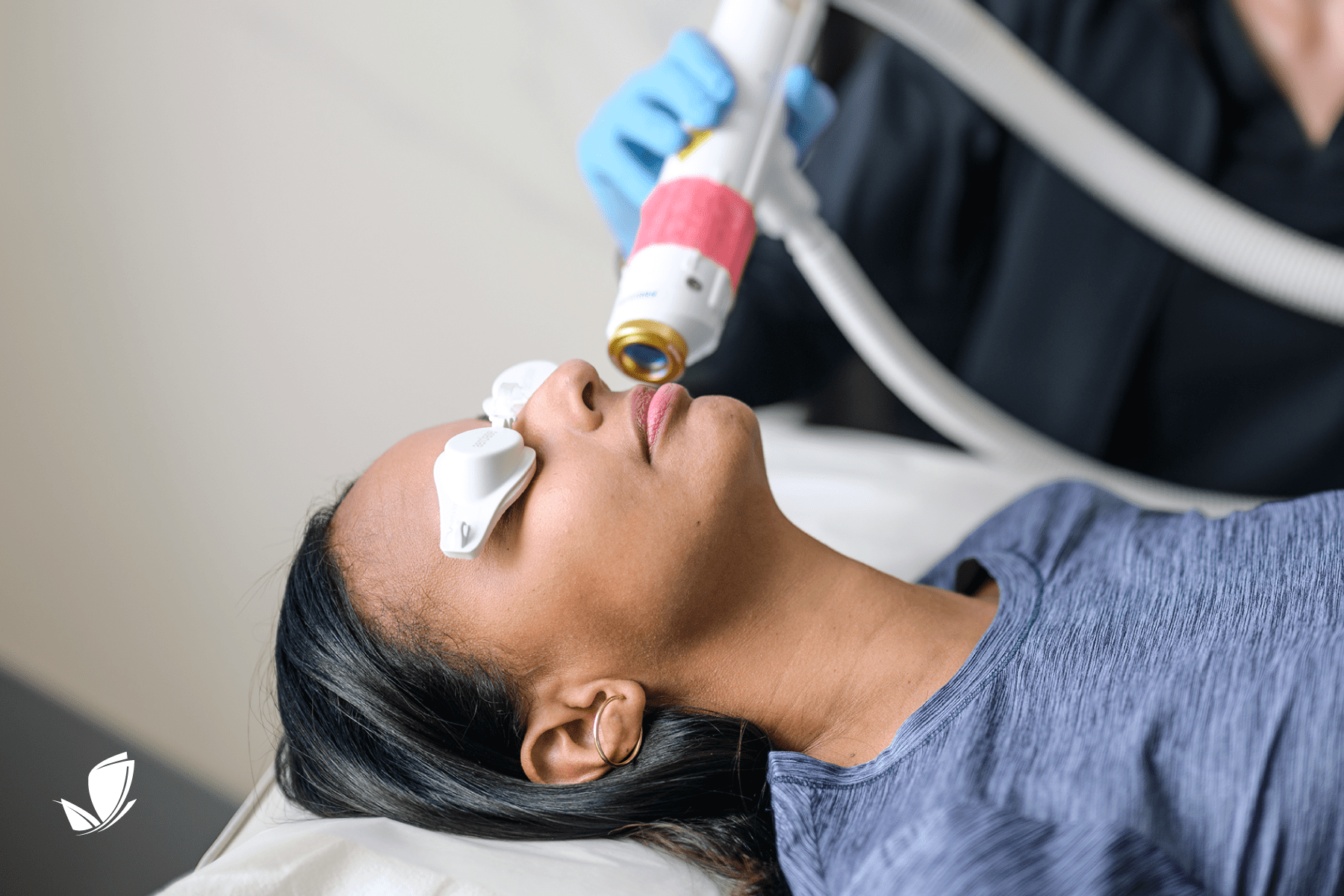
Laser treatments offer a precise and powerful way to achieve smoother, tighter skin. Using focused light energy, lasers heat the dermis to stimulate new collagen growth, which gradually tightens the skin over time. Different types of lasers can be used, including fractional and infrared, each tailored to specific skin concerns. While you might need a few sessions to see your ideal results, laser skin rejuvenation is a proven method for improving skin texture and firmness. It’s a great middle-ground option that delivers visible changes with minimal interruption to your daily life.
Fractional Lasers for Skin Resurfacing
Fractional lasers take a “less is more” approach to deliver impressive results. Instead of treating the entire surface of your skin at once, these lasers create thousands of microscopic treatment zones, leaving the surrounding tissue completely untouched. This clever technique allows your skin to heal much faster while still triggering a powerful healing response deep within the dermis. Your body gets the signal to ramp up production of new collagen and elastin, the essential proteins for firm, smooth skin. Over the next two to three months, you’ll notice a gradual improvement in both texture and tightness. This makes fractional laser skin rejuvenation an excellent choice for not only firming up loose stomach skin but also for improving the appearance of fine lines and textural irregularities with very little downtime.
Combination and Minimally Invasive Technologies
Sometimes, the most effective approach isn’t about choosing just one technology, but about finding the right combination. Many modern treatments layer different technologies to address multiple concerns at once, giving you more comprehensive results. Similarly, for those seeking something more impactful than a surface-level treatment without committing to surgery, minimally invasive options provide a fantastic middle ground. These advanced procedures work beneath the skin to create noticeable tightening and firming with very little downtime. Let’s look at how these powerful options can help you achieve your goals for a smoother, more toned stomach.
Treatments Combining Multiple Technologies
Think of combination treatments as a power duo for your skin. This approach pairs two or more technologies in a single session to tackle different issues simultaneously. For example, a treatment might combine Intense Pulsed Light (IPL) with Radiofrequency (RF). The IPL works on the skin’s surface to improve concerns like sun damage or uneven pigmentation, while the RF energy penetrates deeper to heat the underlying tissue and stimulate new collagen growth. This synergy allows you to address both skin tone and texture while also tightening the skin. It’s an efficient and effective way to get the best of both worlds, leading to a more complete and visible transformation.
Minimally Invasive Radiofrequency
For those who want more dramatic results without the downtime of surgery, minimally invasive radiofrequency treatments are a game-changer. These procedures deliver RF energy beneath the skin’s surface to directly heat the tissues that need it most. Some advanced systems even pair RF with helium plasma to rapidly cool the area, creating a powerful contraction that provides immediate skin tightening. Because the energy is applied internally, it triggers a significant collagen response for long-term firming. This method is an excellent solution for moderate skin laxity and offers a powerful alternative to more invasive procedures, helping you contour your stomach with minimal interruption to your life.
Is a Tummy Tuck the Right Surgical Solution?
For those with significant skin laxity, often after major weight loss or pregnancy, a tummy tuck (abdominoplasty) is the most transformative option. Unlike the non-invasive treatments we’ve discussed, this is a surgical procedure. A surgeon removes excess, loose skin and can also tighten the underlying abdominal muscles if they’ve become separated. The results are immediate and dramatic. However, because it’s surgery, it involves anesthesia, a longer recovery period, and a scar. This path is generally recommended when non-surgical methods can’t achieve the desired level of correction.
What’s the Price Tag on Stomach Skin Tightening?
Let’s talk about one of the most practical questions on everyone’s mind: what’s the budget for something like this? The cost of stomach skin tightening can vary quite a bit, and it really comes down to the path you choose. The two main routes are non-invasive treatments, which use energy to tighten the skin from the outside, and surgical procedures like a tummy tuck, which are much more involved.
Non-invasive options are typically priced per session, and you’ll likely need a series of them to see your ideal results. Surgery, on the other hand, usually involves a larger, one-time cost that covers the procedure itself, anesthesia, and facility fees. Understanding the difference in these pricing models is the first step in figuring out what works for your goals and your wallet. We’ll break down the numbers for each approach so you can get a clearer picture of the investment involved.
What to Expect for Non-Invasive Treatment Costs
When you opt for non-invasive skin tightening, you’re generally looking at a cost per session. On average, these treatments can range from $500 to $2,500 for each visit. The specific technology makes a difference—for example, the national average cost for a radiofrequency treatment is about $755 per session. Laser treatments often start at a slightly lower price point, sometimes around $400.
Keep in mind that most people need a series of treatments to achieve the smooth, firm results they’re looking for. Your provider will create a personalized plan during your consultation, outlining how many sessions you’ll need. This package approach often provides better value and ensures you complete the full course for the best possible outcome.
Breaking Down the Cost of a Tummy Tuck
If you’re comparing non-invasive options to surgery, you’ll notice a significant price jump. A tummy tuck is a major surgical procedure, and its cost reflects that. The surgeon’s fee alone can range from $3,000 to over $6,000. And that’s just the starting point. This price typically doesn’t include other necessary expenses like anesthesia, operating room facilities, post-surgery garments, and medication.
When all is said and done, the total cost for a tummy tuck can easily climb much higher. It’s a completely different scale of investment, not just financially but also in terms of recovery time and risk. This is why many people first explore non-surgical body contouring as an effective and more accessible alternative.
What Factors Influence the Final Cost?
So, why is there such a wide price range, even within non-invasive treatments? Several key factors influence your final cost. The type of technology being used is a big one; more advanced systems may come with a higher price tag. The expertise and reputation of your provider also play a role, as does your geographic location—costs in major metropolitan areas are often higher than in smaller towns.
The most important factor, however, is the treatment plan itself. The size of the area being treated and the number of sessions required to meet your specific goals will ultimately determine your total investment. The best way to get an accurate quote is to schedule a free consultation, where a technician can assess your skin and design a plan tailored just for you.
What Results Can You Expect?
Deciding to get a treatment is exciting, but it’s important to have a clear picture of the journey ahead. Understanding the timeline, recovery process, and what kind of results are truly achievable will help you feel confident and prepared every step of the way. Unlike surgical procedures, non-invasive treatments work with your body’s natural processes, which means results appear gradually and look incredibly natural.
When Can You Expect to See Results?
One of the most common questions is, “When will I see a change?” With non-invasive skin tightening, patience is key. These treatments work by stimulating your body to produce new collagen, and that process doesn’t happen overnight. You’ll likely start to notice subtle improvements in the first few weeks, but the most significant results tend to appear over two to three months as your skin rebuilds its underlying structure. For the best possible outcome, a series of treatments is usually recommended. Think of it as a progressive enhancement—each session builds on the last, leading to smoother, firmer skin over time.
Number of Sessions Required
Think of non-surgical skin tightening like a fitness routine for your skin—consistency is what delivers the best outcome. It’s not a one-and-done treatment. To achieve optimal, visible results, you’ll typically need a series of sessions. Most people find that three or more treatments, spaced several weeks apart, are necessary to really build up that new collagen and see a significant improvement in skin firmness. Each session builds upon the progress of the last, gradually strengthening your skin’s underlying structure. Your technician will work with you to create a personalized treatment plan that maps out the exact number of sessions you’ll need to reach your specific goals.
How Long Do Results Last?
The investment in your treatment series pays off with long-lasting results. Because we’re triggering your body’s own natural collagen production, the improvements are durable and entirely your own. Many people enjoy their tighter, smoother skin for up to a year or even longer. It’s important to remember that your skin will continue to age naturally, and lifestyle factors like diet and sun exposure can influence how long your results last. Some clients opt for a maintenance session once a year to keep their collagen stimulated and their results looking fresh. This is a great way to protect your investment and the benefits of your initial skin rejuvenation.
What to Expect During Recovery
A major advantage of non-invasive treatments is the minimal downtime. Most people can return to their daily activities almost immediately after a session. You might experience some temporary side effects in the treated area, such as mild redness, swelling, or a bit of bruising. These are completely normal signs that your body is responding to the treatment and beginning its healing process. These effects typically fade on their own within a few hours to a couple of days. There’s no need to plan for a long recovery period, making it easy to fit these treatments into a busy schedule.
Specific Aftercare Instructions
To get the most out of your treatment, think of your aftercare as the final, crucial step in the process. For the first few days, your skin’s main job is to heal, so you want to give it all the support it needs. This means sticking to a gentle cleanser and a simple, hydrating moisturizer to protect your skin’s barrier. It’s also a good idea to pause any strong active ingredients in your routine, like retinoids or exfoliating acids, which can be too harsh for freshly treated skin. And, of course, sun protection is non-negotiable. Your skin will be more sensitive, so applying a broad-spectrum SPF is essential to prevent irritation or discoloration. Following these simple steps helps ensure your skin tightening treatment delivers the beautiful, smooth results you’re looking for.
Setting Realistic Expectations for Your Results
It’s helpful to think of non-invasive treatments as a significant improvement rather than a total transformation. These procedures can realistically improve skin laxity by about 30-50%, which creates a visibly firmer and more toned appearance. The goal is to help you feel more confident in your skin by addressing areas of concern without the need for surgery. Our bodies naturally lose collagen as we age, and these body contouring and tightening treatments are designed to counteract that process. During your consultation, we can discuss your specific goals and create a personalized plan that aligns with what these technologies can achieve for you.
Non-Invasive vs. Surgical: Which Is Right for You?
Deciding between a non-invasive treatment and a surgical procedure like a tummy tuck can feel overwhelming. Both paths can lead to a firmer, more toned stomach, but they get there in very different ways. The right choice depends entirely on your body, your goals, and your lifestyle. Let’s break down the key differences to help you figure out which approach is the best fit for you.
The Case for Non-Invasive Treatments
Non-invasive treatments are a fantastic way to tighten and smooth stomach skin that has lost some of its firmness due to aging, weight loss, or pregnancy. The biggest advantage is that you can achieve a more toned midsection without the risks and downtime of surgery. Most people can return to their daily activities right away. While you might experience some temporary, mild side effects like redness, swelling, or bruising, these typically fade quickly. These skin tightening procedures work by stimulating your body’s natural collagen production, gradually improving skin texture and firmness over time for a result that looks and feels completely natural.
When Is Surgery the Better Option?
While non-invasive options are effective for many, some situations call for a surgical approach. A tummy tuck, or abdominoplasty, is the most effective solution for significant skin laxity, especially when paired with stretched or separated abdominal muscles (a condition called diastasis recti). It’s important to understand that a tummy tuck is a body contouring procedure, not a weight-loss tool. Surgeons recommend that patients be at or near their ideal weight before considering it. For those who need extensive skin removal and muscle repair to achieve their desired look, surgery offers the most dramatic and transformative results, which is why it remains a popular choice for specific cases.
Are You a Candidate for Non-Invasive or Surgical?
Figuring out which category you fall into is the first step. Generally, non-invasive treatments are ideal for individuals with mild to moderate loose skin who are looking for noticeable but subtle improvement. If you can pinch a small amount of loose skin on your stomach and want to improve its texture and firmness, you’re likely a great candidate. On the other hand, if you have a significant amount of excess, hanging skin, perhaps after major weight loss or multiple pregnancies, surgery is often the more realistic path. Effective body contouring starts with choosing a treatment that matches the degree of your concern.
Considering Your BMI
Your Body Mass Index (BMI) is another important piece of the puzzle when deciding between non-invasive treatments and surgery. It helps give a general idea of where you are on your health journey. For those with a BMI under 30, non-invasive skin tightening is often a great fit, especially when combined with treatments that address underlying fat. If your BMI is between 30 and 35, a tummy tuck may deliver more noticeable results, particularly if you have a significant amount of loose skin. For anyone with a BMI over 35, most professionals will recommend focusing on a weight-loss program first before exploring any body contouring procedures. This ensures you are in the best possible health to get safe, effective, and lasting results.
Addressing Diastasis Recti
If you’ve had children, you might be familiar with diastasis recti—the separation of the abdominal muscles that can create a persistent belly pooch. This is a key factor to consider because non-invasive treatments are designed to tighten the skin, not repair the underlying muscle tissue. While they can beautifully improve the skin’s surface texture and firmness, they can’t address muscle separation. For this specific concern, a tummy tuck is the most effective solution. During the procedure, a surgeon can surgically repair and tighten these muscles, restoring the core’s structure. Understanding this distinction is crucial for setting realistic expectations and choosing the procedure that truly addresses your primary concern.
Health Conditions and Contraindications
Your overall health is the top priority. Before any procedure, it’s essential to have an open conversation with a qualified professional about your medical history. Certain health conditions might make surgery a higher risk, pointing you toward a safer, non-invasive alternative. Conversely, if you have a great deal of very loose skin, a tummy tuck might be the more appropriate and effective choice. This is why a personal consultation is so important. It’s your opportunity to discuss your goals, review your health, and create a tailored plan that ensures you get the best possible results safely. A professional can help you determine the right treatment for your unique body and circumstances.
How to Decide What’s Best for You
Ultimately, choosing between these options involves balancing your priorities. Do you prefer a treatment with minimal risk and a quick recovery, or are you seeking the most dramatic change possible, even if it means a longer healing process? Non-invasive treatments offer a gradual, natural-looking improvement with little to no interruption to your life. Surgery provides a significant, immediate transformation but requires substantial downtime. The best way to make a confident decision is to speak with a professional. A consultation will help you explore all your treatment options and create a personalized plan that aligns perfectly with your body and your aesthetic goals.
What Are the Potential Risks and Side Effects?
Making an informed decision about your body means understanding the full picture, and that includes potential side effects. Every cosmetic procedure, from non-invasive treatments to major surgery, comes with its own set of considerations. Knowing what to expect helps you prepare properly and choose the treatment that aligns with your comfort level and goals. It’s all about moving forward with confidence and feeling good about the path you choose for yourself.
When you’re exploring options for stomach skin tightening, it’s easy to focus only on the exciting “after” photos. But a truly successful outcome is one where you feel safe, supported, and knowledgeable throughout the entire process. That’s why we’re taking a moment to talk openly about risks. This isn’t meant to scare you, but to empower you. By understanding the potential side effects of non-invasive treatments versus the more significant risks of surgery, you can weigh your options realistically. We’ll also tackle some common myths that can cause confusion. This knowledge is your best tool for having a productive conversation with your provider and ensuring your expectations are perfectly aligned with what the treatment can deliver. Your peace of mind is just as important as your final results.
Non-Invasive Treatments: Potential Side Effects
The great news is that non-invasive treatments like radiofrequency (RF) skin tightening are considered very safe. The side effects are typically minor and temporary. It’s common to experience some mild redness, swelling, or bruising in the treated area right after your session. You might also feel a bit of tingling. These effects usually fade within a few hours to a couple of days, letting you get back to your routine quickly. Think of it as your skin just needing a moment to settle after the treatment has stimulated all that new collagen production.
Tummy Tucks: Understanding the Surgical Risks
Surgical options like a tummy tuck come with a different level of risk. Because these are invasive procedures, they carry the potential for complications related to anesthesia, infection, and scarring. The recovery period is also significantly longer and more involved than with non-surgical methods. While surgery can produce dramatic results, it’s a major medical event. The FDA notes that all medical procedures have associated risks, which is why a thorough consultation with a qualified professional is so important to weigh the pros and cons for your specific situation.
Debunking Common Safety Myths
Let’s clear up a few common myths. First, while the results from skin tightening are impressive, they aren’t permanent. Your skin will continue its natural aging process, so maintenance sessions are often recommended to keep your results looking fresh. Another big misconception is that these treatments are a replacement for weight loss. Procedures like body contouring are designed to target stubborn fat and tighten skin, not to significantly lower the number on the scale. They work best when paired with a healthy lifestyle to help you refine and sculpt your shape.
How to Find the Right Provider
Choosing a provider for your skin tightening treatment is just as important as the treatment itself. The right professional ensures your safety and partners with you to achieve the results you want. Finding a clinic with the right experience and technology is key, so doing a little homework pays off when you feel confident and cared for. A great provider will offer a thorough consultation, answer all your questions, and create a personalized plan just for you.
What to Look for in a Provider’s Credentials
When you’re looking into non-invasive treatments, you want to ensure the person performing the procedure is properly trained and qualified. For treatments like radiofrequency and ultrasound skin tightening, this is typically a licensed aesthetician or a registered nurse working under a doctor’s supervision. This structure ensures you receive care that is both safe and effective. Don’t hesitate to ask about the team’s qualifications. A reputable medspa will be transparent about their staff’s credentials and experience, giving you confidence in their aesthetic services.
Who Should Perform Your Treatment?
The ideal person to perform your treatment is a highly trained technician who has extensive experience with the specific technology you’ve chosen. They should be more than just an operator; they should be your partner in this process. Look for someone who listens carefully to your goals, understands your concerns, and makes you feel completely comfortable. A great technician will use the consultation to assess your skin and develop a personalized treatment plan that is tailored to your unique body and desired outcome. This ensures the treatment is not only safe but also optimized to deliver the best possible results for you. Feeling confident in your provider’s skill and approach is a key part of a positive and successful experience.
Key Questions to Ask During Your Consultation
Your consultation is the perfect time to interview a potential provider. A good clinic will welcome your questions and provide clear, honest answers. This conversation is your best tool for gauging their expertise and whether their approach aligns with your goals. Come prepared with a few key questions:
- How many stomach skin tightening treatments have you performed?
- What technology do you use, and why is it the best choice for me?
- Can I see before-and-after photos of your clients?
- What kind of results can I realistically expect?
- What does the recovery and aftercare process involve?
A free consultation is a standard offering at trusted clinics and is essential for making an informed decision.
Red Flags: How to Avoid the Wrong Clinic
Just as there are green flags, there are also red flags that might signal you’re in the wrong place. Trust your intuition—if something feels off, it probably is. A clinic that prioritizes your well-being will never make you feel rushed or pressured. Be cautious if you encounter any of these warning signs:
- Aggressive sales tactics: Be wary of “one-day-only” deals that pressure you into a quick decision.
- Vague answers: If a provider can’t give you straight answers about risks, costs, or results.
- A one-size-fits-all approach: Your treatment plan should be customized to your body and goals.
- No portfolio: A clinic should be proud to show you before-and-after photos of their actual clients.
How to Prepare for Your Treatment
Feeling ready to take the next step is exciting, and knowing what to expect can make the entire process feel smooth and stress-free. Proper preparation helps ensure you get the best possible results from your stomach skin tightening treatment. From the initial chat with a professional to your post-treatment care, having a clear plan makes all the difference. We’ll walk through what you need to do before your appointment, what the treatment itself is like, and how to care for your skin afterward to support a quick and easy recovery.
Your Checklist for Getting Treatment-Ready
Your journey should always begin with a conversation. Scheduling a free consultation with an experienced professional is the most important step to discuss your goals and ensure the treatment is right for you. Your technician will review your medical history and create a personalized plan. Before your appointment, stay well-hydrated and avoid excessive sun on the treatment area. You should also ask your provider if you need to pause any specific skincare products. Making sure your treatment is performed by a licensed aesthetician or nurse is key to a safe and effective experience.
What Happens During the Procedure?
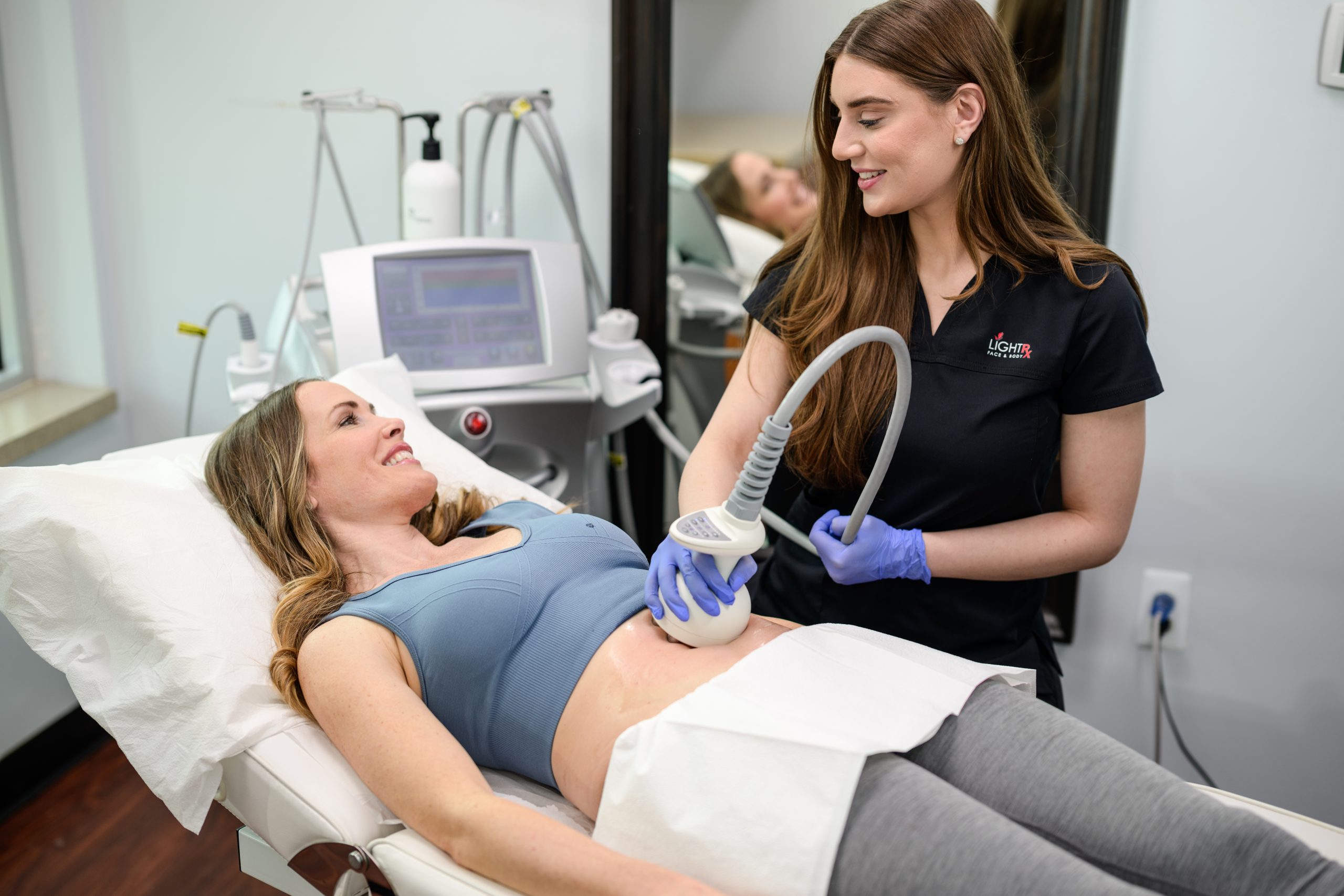
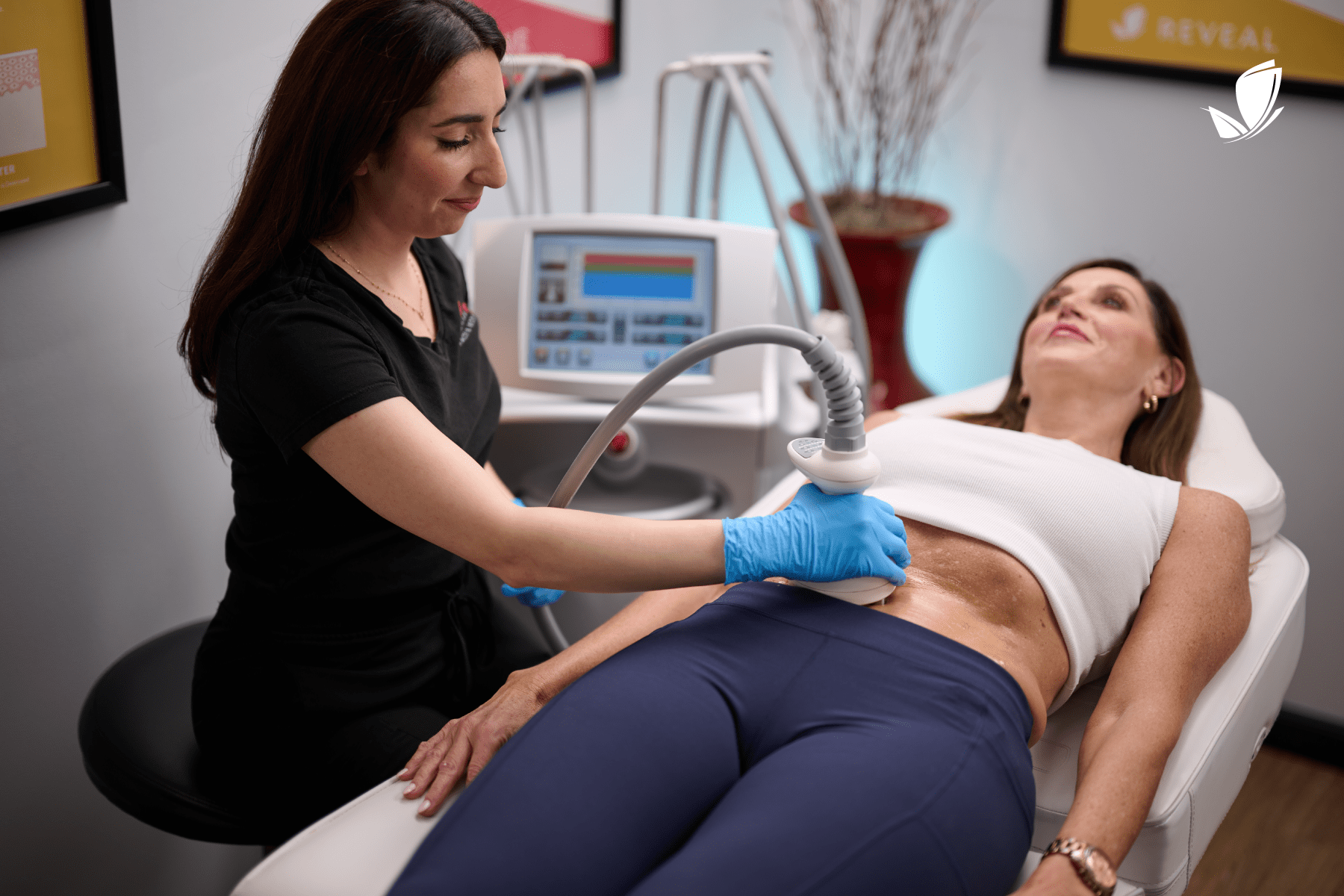
One of the best parts about non-invasive skin tightening is how straightforward the procedure is. When you arrive, your technician will make you comfortable and cleanse the treatment area. During a radiofrequency (RF) treatment, for example, they use a device that gently heats the deeper layers of your skin. This heat stimulates your body’s natural production of collagen and elastin—the building blocks of firm skin. You’ll likely feel a warm sensation, but the treatment is generally comfortable and requires no downtime. The entire session is quick, often lasting less than an hour.
What You Might Feel During Treatment
So, what does it actually feel like? Most people describe the sensation during radiofrequency skin tightening treatments as a gentle, deep warmth. It’s often compared to a hot stone massage—relaxing and totally manageable. The technology is designed to keep the surface of your skin cool and comfortable while the energy works its magic underneath. Immediately after the procedure, it’s normal to see some mild redness or feel a bit of tingling in the treated area. This is just a sign that your skin is responding and starting the collagen-building process. These effects usually disappear within a few hours, so you can head right back to your day.
Our Top Tips for a Smooth Recovery
After your treatment, you can get right back to your routine. Recovery from non-invasive procedures is typically very simple. It’s normal to experience some temporary side effects, like mild redness, swelling, or bruising, but these usually fade within a few days. Your technician will give you specific aftercare instructions. Generally, it’s wise to stay hydrated, be gentle with your skin, and protect it from the sun with a good SPF. Following these simple tips will help your skin heal beautifully and allow you to enjoy your new, firmer contours even sooner.
How Lifestyle Choices Can Support Your Results
Think of your skin tightening treatment as the ultimate head start. It resets the clock by stimulating your body’s natural collagen production, but the habits you maintain afterward are what truly protect that investment. To get the most out of your results and help them last as long as possible, it’s helpful to pair your treatment with a lifestyle that supports healthy, resilient skin from the inside out. Simple choices in your daily routine can make a significant difference in maintaining that firm, smooth appearance. By focusing on supportive nutrition and consistent physical activity, you’re not just preserving your results—you’re enhancing them and contributing to your overall wellness at the same time.
The Role of Exercise
Engaging in regular physical activity is a powerful way to complement your treatment results. While the procedure tightens the skin, exercise helps tone the underlying abdominal muscles, creating a stronger, firmer foundation. Strength training exercises that target your core, like planks, leg raises, and crunches, are particularly effective for defining the midsection. Beyond muscle tone, exercise also improves blood circulation, which delivers essential oxygen and nutrients to your skin cells. This helps maintain your skin’s health and elasticity, supporting the new collagen your body has worked to produce. Consistent movement is a key part of any successful body contouring plan.
Maintaining a Healthy Diet
What you eat has a direct impact on your skin’s health and its ability to stay firm and youthful. To help your results last, focus on a diet rich in healthy, unprocessed foods. Nutrients like vitamin C, zinc, and protein are essential for collagen synthesis, so incorporating lean meats, leafy greens, and citrus fruits can provide your body with the building blocks it needs. Staying well-hydrated by drinking plenty of water is also crucial, as it helps keep your skin plump and resilient. By choosing foods that nourish your body, you’re actively supporting the long-term success of your skin tightening treatment and promoting a healthy glow from within.
Related Articles
- Your Guide to Skin Tightening After Weight Loss
- Your Guide to Non-Surgical Fat Reduction & Skin Tightening
- Non Surgical Lipo San Antonio: A 2025 Guide
- Laser Lipo Belly Before and After: A Visual Guide
- The Ultimate Guide to Arm Fat Removal Near Me
Frequently Asked Questions
Is the treatment painful? Not at all. Most people find non-invasive skin tightening treatments to be quite comfortable and relaxing. The technology uses controlled heat to stimulate collagen, so you’ll likely feel a gentle warming sensation in the treatment area, similar to a hot stone massage. There’s no need for anesthesia, and you can get right back to your day as soon as the session is over.
How many treatments will I actually need? This really depends on your individual skin and your specific goals. While some people see a noticeable improvement after just one session, most achieve their ideal results with a series of treatments. During your consultation, a technician will assess your skin’s laxity and create a personalized plan that outlines the recommended number of sessions to get you the firm, smooth look you’re hoping for.
How long will my results last? The results are long-lasting because the treatment prompts your body to create new, strong collagen. However, the procedure doesn’t stop the natural aging process. To maintain your results over the years, many people choose to have a touch-up session every so often. Think of it as part of your ongoing skin care routine to keep your skin looking its best.
Can I get this treatment after pregnancy or weight loss? Yes, this is one of the most common reasons people seek out stomach skin tightening. These treatments are an excellent way to address the mild to moderate skin laxity that can remain after your body has gone through significant changes. For the best outcome, it’s generally recommended that you are at a stable weight and have finished breastfeeding before starting your treatment series.
Is this a good alternative to a tummy tuck? It can be the perfect alternative, depending on your needs. Non-invasive treatments are designed for people with mild to moderate loose skin who want to see a visible improvement without surgery. If you have a significant amount of excess or hanging skin, a surgical tummy tuck may be a more suitable option. A consultation is the best way to determine which approach will give you the results you desire.