
Best Facial Hair Removal for Women: A Complete Guide
Let’s be honest, there’s a lot of bad advice out there about facial hair. You’ve probably heard the myth that shaving makes peach fuzz grow back as a thick, dark beard. Or maybe you’ve been told that at-home laser hair removal devices work just as well as professional treatments. It’s time to separate fact from fiction. Finding the best facial hair removal for women means ignoring the myths and focusing on what’s truly effective and safe for your delicate skin. We’ll clear up the confusion and give you the straightforward facts you need to make the right choice.
Key Takeaways
- Choose your method based on your end goal: If you want a long-term reduction in hair growth, professional laser treatments are the most effective path. For temporary smoothness or quick touch-ups, at-home options like dermaplaning or waxing work well.
- Recognize the trade-off between convenience and results: At-home devices are convenient but use lower-power technology, requiring more frequent use for less permanent outcomes. Professional treatments are an investment in powerful, FDA-cleared technology for safer, more lasting smoothness.
- Make prep and aftercare a priority: No matter which method you choose, properly preparing your skin beforehand and soothing it afterward is essential. This simple routine minimizes irritation, prevents ingrown hairs, and ensures you get the best possible results.
Why Do Women Get Facial Hair?
If you’ve noticed a few new hairs on your chin or upper lip, you’re definitely not alone. For many women, facial hair is a completely normal part of life. The amount and texture can vary widely from person to person, and it’s often influenced by a combination of factors that are unique to you. Understanding why it happens is the first step to figuring out how you want to manage it. From hormonal shifts during different life stages to your family’s genetic blueprint, several things can play a role in the appearance of that pesky peach fuzz or those stubborn chin hairs. Let’s look at the most common reasons.
Hormonal Changes and Life Stages
Our bodies are in a constant state of flux, and hormones are often the primary conductors of change. Female facial hair can be caused by hormones, especially during significant life events like pregnancy or menopause. These hormonal fluctuations can lead to increased hair growth in areas where women typically have finer, less noticeable hair. For example, you might notice darker or more coarse hair appearing on your upper lip or jawline as your body navigates these transitions. This is often due to a shift in the balance between estrogen and androgen (male hormone) levels, which is a natural process that many women experience at some point in their lives.
Underlying Medical Conditions like PCOS
While a few stray hairs are common, a sudden or significant increase in coarse, dark facial hair could be a sign of something more. This type of excessive hair growth is known as hirsutism and can be a symptom of an underlying medical condition like Polycystic Ovary Syndrome (PCOS). According to the National Health Service (NHS), if hair grows quickly or in unusual, male-like patterns, it’s a good idea to consult a healthcare provider. A doctor can help determine the cause and discuss potential treatments, which might include specific medications. Paying attention to your body’s signals is key, so don’t hesitate to seek professional medical advice if you have concerns about your hair growth.
Genetics and Aging
Sometimes, the reason for facial hair is simply written in your DNA. Genetics and aging play significant roles in hair growth patterns. If your mother or grandmother dealt with facial hair, there’s a good chance you might, too. As we age, natural hormonal changes can also lead to an increase in facial hair, particularly after menopause when estrogen levels decline. This combination of genetic predisposition and the natural aging process determines how much hair growth occurs and where. While you can’t change your genes, you can choose how to manage the results, with options like professional laser hair removal offering a long-term solution for smooth, hair-free skin.
What’s the Best Facial Hair Removal for Women?
Finding the right way to manage facial hair can feel like a personal quest. With so many options out there, from quick at-home fixes to long-term professional treatments, it’s all about what works for your skin, lifestyle, and goals. Whether you’re dealing with a few stray hairs on your chin or finer “peach fuzz” on your cheeks, there’s a solution that can help you feel your best. Let’s walk through some of the most popular and effective methods to help you decide which path is right for you.
For a Permanent Solution: Laser Hair Removal
If you’re looking for a long-term solution, laser hair removal is a game-changer. It’s also helpful to understand how much laser hair removal costs before starting a personalized treatment plan. This clinically proven treatment uses concentrated light to target the pigment in your hair follicles, damaging them to prevent future growth. It’s especially effective for the upper lip, chin, and sideburns. While it requires multiple sessions to catch each hair in its growth cycle, the result is smooth, hair-free skin that lasts. Unlike temporary methods, this approach tackles hair growth at the root, offering a modern way to achieve lasting smoothness without the daily hassle. It’s a fantastic option if you’re ready to move beyond constant upkeep. Women in the Charlotte, NC area can explore professional laser hair removal options at LightRx Charlotte, where free consultations are available to match you with the right treatment. For women in Indiana looking for professional laser hair removal, LightRx Indianapolis offers free consultations to help you find the right treatment plan.
For 100% Permanence: Electrolysis
If you’re aiming for a solution that is truly final, electrolysis is the only method the FDA considers permanent. Unlike laser treatments that are most effective on high-contrast hair and skin tones, electrolysis works on everyone. It doesn’t matter if your hair is blonde, gray, or red, or what your skin color is—this technique can permanently remove it. The process is incredibly precise, targeting each hair follicle one by one to ensure it can never produce hair again. It’s the definitive answer for anyone who wants to say goodbye to unwanted facial hair for good, without any exceptions for hair or skin type.
The process involves a trained electrologist inserting a very fine probe into the natural opening of the hair follicle. A small electrical current is then sent to the follicle’s base, destroying the growth cells. Because each hair must be treated individually, it requires a series of appointments over time to achieve complete clearance. While this requires more of a time commitment than other methods, the payoff is unmatched. For those stubborn gray hairs on the chin or fine, light-colored hairs on the upper lip that laser can’t target, electrolysis offers a guaranteed and permanent result, giving you complete freedom from future treatments.
The Classic Go-To: Waxing & Sugaring
Waxing and its gentler cousin, sugaring, are classic methods for a reason. Both work by applying a sticky substance to the skin that adheres to the hair and is then quickly pulled off, removing hair from the root. The result is incredibly smooth skin that can last for two to four weeks. A great side benefit is that it also exfoliates, removing dead skin cells for a brighter complexion. While there’s a definite ouch-factor involved, many find the long-lasting results are well worth the temporary discomfort. You can find many at-home waxing kits, or you can visit a professional for a precise and clean finish.
For Ultimate Precision: Threading
Threading is an ancient hair removal technique that has stood the test of time, particularly for shaping eyebrows and removing hair on the upper lip and chin. The method involves a skilled practitioner using a twisted cotton thread to roll over the skin, catching and pulling unwanted hairs from the follicle. It’s incredibly precise, allowing for a very clean and defined look without involving any chemicals or heat. Because it removes hair from the root, the results are long-lasting. It’s a great option for those with sensitive skin that might react to waxing, offering a gentle yet effective alternative.
For Stray Hairs: Tweezing
We’ve all been there—spotting that one stubborn chin hair that seems to appear overnight. For those moments, tweezing is the perfect quick fix. This method involves plucking individual hairs right from the root, making it ideal for managing a few unwanted strands without a lot of fuss. And let’s clear up a common myth: plucking won’t make the hair grow back thicker or darker. However, it’s not a perfect solution for everyone. If you tweeze too often or aggressively, you can risk irritating the follicle, which can sometimes lead to pesky ingrown hairs or even dark spots on your skin. Think of it as a tool for precision touch-ups, not for clearing larger areas.
For Plucking Multiple Hairs: Epilators
If you’re dealing with more than just a few stray hairs, an epilator might be on your radar. Think of it as an army of tiny, automated tweezers working together. Facial epilators are designed to remove hair by plucking multiple strands from the root at once, which means you can enjoy smoother skin for much longer than you would with shaving. When used correctly, they are a safe and effective option for managing areas like the upper lip or cheeks. The trade-off, of course, is the discomfort—it can be quite painful, especially the first few times. But if you can handle the initial sting, it’s a solid at-home method for keeping larger patches of facial hair under control between professional treatments.
The Quick Fix: Shaving & Dermaplaning
Shaving is the ultimate quick fix, but dermaplaning takes it a step further. While a standard facial razor removes hair at the surface, dermaplaning uses a specialized, sharp blade to gently scrape away fine vellus hairs (peach fuzz) and the top layer of dead skin cells. This process not only leaves your skin feeling exceptionally smooth but also helps it look brighter and more even. As a bonus, your skincare products can absorb more effectively, and makeup application becomes flawless. It’s a fantastic way to get an instant glow with zero downtime, making it a popular pre-event treatment.
For Daily Touch-Ups: Electric Shavers
When you need a quick, painless solution for daily maintenance, an electric shaver is a fantastic tool to have on hand. These devices are designed to be gentle on the skin, gliding over the surface to trim hair without the risk of nicks or irritation that can come with traditional razors. This makes them an especially safe option for sensitive areas like the upper lip and chin. You can use them on dry skin for a super-fast touch-up anytime, anywhere, making them perfect for managing regrowth between other treatments or for anyone who prioritizes convenience and comfort. They won’t give you the long-lasting smoothness of a root-based removal method, but for keeping things tidy day-to-day, they are incredibly reliable.
The Pain-Free Option: Hair Removal Creams
For a completely painless option, depilatory creams are a go-to. These creams and lotions use chemicals, like calcium thioglycolate, to break down the keratin protein structure of the hair. Once the hair is weakened, you can simply wipe or rinse it away. It’s a straightforward and fast method you can easily do at home, making it perfect for the upper lip or other small areas. However, because these creams contain strong chemicals, it’s crucial to do a patch test first, especially if you have sensitive skin, to avoid irritation or an allergic reaction.
How Does Facial Laser Hair Removal Actually Work?
If you’re tired of the daily or weekly upkeep that comes with shaving, waxing, or threading, you’ve probably considered laser hair removal. It’s a popular and effective way to get smoother skin for the long haul. Unlike surface-level methods, this treatment gets to the root of the problem—literally. It uses focused light to stop hair growth before it starts, offering a more lasting solution for unwanted facial hair.
Breaking Down the Technology
Facial laser hair removal is a modern, clinically proven solution that targets hair growth right at the source for smooth, long-lasting results. The process is pretty fascinating. It works by sending a concentrated beam of light into your hair follicles. The pigment, or melanin, in your hair absorbs this light, which then converts to heat. This heat carefully damages the follicle, making it much harder for hair to grow back in the future. At LightRx, we use FDA-cleared technology to ensure the treatment is both safe and effective, giving you peace of mind as you work toward your skin goals.
What Happens During a Treatment Session?
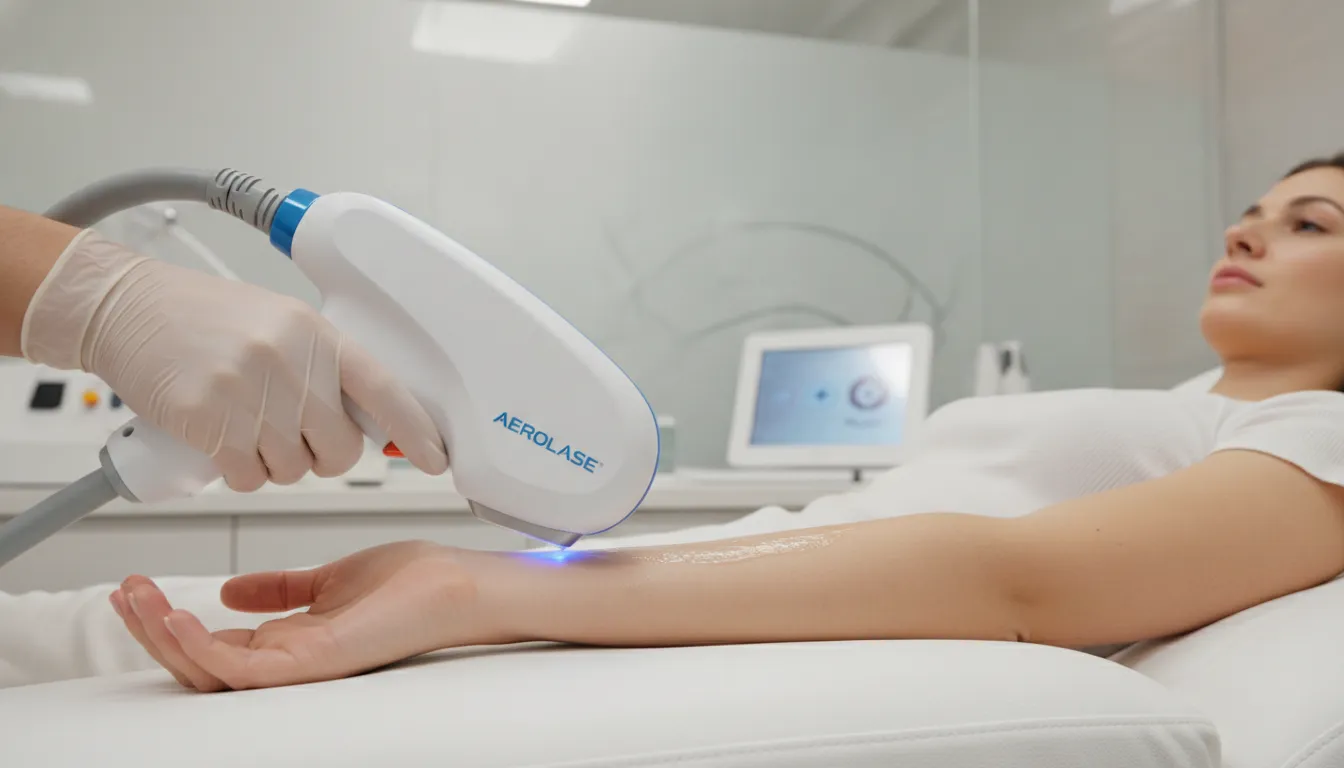
Your journey will start with a free consultation to make sure laser hair removal is the right fit for you and your skin. During the actual treatment, your technician will cleanse the area and give you protective eyewear. They will then use a small handheld device to deliver the laser pulses to your skin. Many people describe the sensation as a quick, warm snap, similar to a rubber band. The good news is that sessions for facial areas like the upper lip or chin are very fast—often taking just a few minutes. We’ll make sure you’re comfortable from start to finish.
How to Prepare for Laser Hair Removal
Getting the best results from your treatment starts before you even walk in the door. Proper preparation is key to making sure your sessions are safe and effective. Your first step is a free consultation, where a technician will assess your skin and hair type to create a personalized plan. In the weeks leading up to your appointment, it’s crucial to avoid sun exposure and tanning beds, as tanned skin can interfere with the laser’s ability to target hair follicles. On the day of your treatment, make sure the area is clean and free of any makeup, lotions, or oils. Following these simple steps helps ensure the laser can do its job perfectly, setting you up for the smooth, lasting results you want.
What to Avoid Between Laser Sessions
What you do between your appointments is just as important as the treatment itself. To get the most out of your investment, you’ll need to put a temporary pause on some of your old hair removal habits. The most important rule is to avoid waxing, tweezing, or using an epilator on the treated areas. These methods pull hair out from the root, which the laser needs to target to stop future growth. If you need to manage hair between sessions, shaving is the only approved method. You should also continue to protect your skin from the sun. Consistent sunscreen use will prevent skin sensitivity and help the laser treatment work more effectively at your next session.
Your Results Timeline and Maintenance Plan
This isn’t a one-and-done treatment. Because your hair grows in different cycles, you’ll need several sessions to catch each follicle at the right time. Most people see the best results after a series of treatments, usually spaced a few weeks apart. After completing your personalized plan, you can expect a significant reduction in hair growth. Many of our clients enjoy permanently smooth skin, while others may need a touch-up session once a year or so to maintain their results. The goal is to free you from the constant routine of other hair removal methods.
My Top Picks for At-Home Hair Removal
If you’re looking for ways to manage facial hair at home, you have more options than ever. From high-tech gadgets to simple, classic tools, the right product for you depends on your budget, pain tolerance, and how much time you’re willing to commit. At-home methods can be great for maintenance or as a starting point, but it’s helpful to understand what each one can realistically achieve.
While convenient, these solutions generally offer temporary results and come with their own learning curves and risks, like skin irritation or missed spots. They work differently than professional treatments, which use more advanced technology to deliver longer-lasting outcomes. Let’s walk through some of the most popular at-home products so you can find a good fit for your routine.
The Best At-Home Waxing Kits
Waxing is a tried-and-true method for a reason: it removes hair directly from the root. This means you can stay hair-free for weeks, and over time, some people notice their hair grows back finer. At-home waxing kits typically come with either soft wax (which requires strips) or hard wax (which hardens and is pulled off on its own). For the delicate skin on your face, hard wax is often recommended because it adheres to the hair rather than the skin, minimizing irritation. While effective, there’s a bit of a learning curve to get the technique right, and let’s be honest—it can be uncomfortable. Still, many of the best facial hair removal products are waxing kits because they deliver consistently smooth results.
My Go-To Facial Razors & Dermaplaning Tools
If you need a quick, painless fix, facial razors and dermaplaning tools are your best friends. Dermaplaning, in particular, has gained a huge following because it does double duty: the small, single-blade razor removes fine peach fuzz while also exfoliating the top layer of dead skin cells. The result is an incredibly smooth surface that helps your skincare products absorb better and makes makeup application flawless. It’s gentle enough for all skin types and a fantastic option if you want instant gratification without any pain or downtime. Just remember that since you’re only cutting the hair at the surface, you’ll need to do it regularly to maintain the results.
The Best Hair Removal Cream for Sensitive Skin
Depilatory creams offer a completely painless way to remove facial hair. These creams use chemicals to break down the keratin structure of the hair, turning it into a jelly-like substance you can simply wipe away. They are incredibly easy to use and work in just a few minutes. However, the chemicals can be harsh, especially on the sensitive skin of your face. It is absolutely essential to perform a patch test on a small, discreet area of skin 24 hours before applying it to your face to check for any adverse reactions. As experts on at-home hair removal advise, following the instructions precisely is key to avoiding irritation or chemical burns.
A Realistic Look at Each Hair Removal Method
Choosing how to deal with facial hair is a personal decision, and there’s no single “best” way for everyone. Each method comes with its own set of trade-offs, balancing factors like cost, convenience, pain level, and how long the results last. Some options offer a quick, temporary fix you can do at home, while others involve a bigger investment for more permanent results. Understanding the full picture of each technique can help you decide which one fits best with your lifestyle, skin type, and beauty goals.
Whether you’re looking for a long-term solution that lets you ditch the daily routine or just need a simple method for quick touch-ups, there’s an option out there for you. Let’s break down the most popular methods, weighing their unique benefits against their potential drawbacks so you can make an informed choice.
Laser Hair Removal: Pros vs. Cons
The biggest advantage of laser hair removal is its effectiveness for long-term hair reduction. By using concentrated light to target and damage the hair follicle, it stops hair growth at the source. After a series of treatments, many people experience significantly less hair growth, with some achieving permanent results. This means less time spent on daily or weekly maintenance. It’s a clinically proven and precise method that can target specific areas like the upper lip or chin without affecting the surrounding skin.
However, it does require an upfront investment of both time and money. You’ll need multiple sessions spaced several weeks apart to catch hairs in the right growth cycle. It also tends to work best on people with darker hair and lighter skin, as the laser targets the pigment in the hair. It may not be as effective on very fine, blonde, or gray hair.
Electrolysis: Pros vs. Cons
When it comes to a truly permanent solution, electrolysis stands alone. It’s the only method the FDA has approved for 100% permanent hair removal, and its biggest advantage is that it works on every single hair color and skin type—even blonde, gray, or red hair. The technique uses a fine probe to deliver a small electric current to each individual hair follicle, destroying it so it can’t grow back. This precision is what makes it so effective. However, that same precision is also its main drawback. Treating each hair one by one is a time-consuming process that requires multiple sessions and a lot of patience. Some people also experience discomfort during the treatment. It’s a trade-off: you get guaranteed permanent results, but you have to be prepared for the time investment.
Waxing & Sugaring: Pros vs. Cons
Waxing is a popular choice because it removes hair from the root, leaving your skin feeling incredibly smooth for two to four weeks. As a bonus, it also exfoliates the top layer of your skin by removing dead skin cells along with the hair. It’s a relatively fast process, especially for smaller areas, and can be done at a salon or with an at-home kit. Over time, some people find that their hair grows back finer and sparser.
The main drawback is the discomfort. Pulling hair out from the root can be painful, particularly in sensitive facial areas. It can also cause temporary redness, bumps, and irritation right after the session. If not done correctly, waxing can lead to ingrown hairs or even minor burns if the wax is too hot. You also have to let your hair grow out to a certain length before you can wax again.
Threading: Pros vs. Cons
Threading is an ancient technique that uses a twisted cotton thread to pull hairs out from the follicle. Its greatest strength is its precision. It’s perfect for shaping eyebrows and removing individual hairs with clean, sharp lines. Because it doesn’t pull on the skin like waxing does, it’s often considered a gentler option for those with sensitive or acne-prone skin. The results are long-lasting, typically for a few weeks.
On the downside, threading can still be uncomfortable, with a stinging or pinching sensation. The quality of your results depends heavily on the skill of the technician, so it’s important to find an experienced professional. While it’s great for small, defined areas, it’s not a practical method for removing hair from larger sections of the face. Finding a salon that offers threading can also be a challenge depending on where you live.
Preparing for Your Threading Appointment
To get the best results from your threading session, a little prep goes a long way. First, make sure your skin is clean and free of any makeup or heavy lotions, as this helps the thread grip the hairs more effectively. It’s also a good idea to skip any harsh exfoliants or retinol products for a few days beforehand to minimize skin sensitivity. Let your hair grow out just a little bit—about one-sixteenth of an inch is perfect—so the thread has something to grab onto. Finally, be ready to communicate with your technician. Let them know exactly what shape you’re going for and don’t be afraid to speak up if you feel any unusual discomfort.
Tweezing: Pros vs. Cons
Tweezing is the go-to method for precision work. It’s perfect for grabbing those few stubborn, stray hairs that pop up on your chin or between your brows. Because you’re plucking one hair at a time, you have complete control over the process, which is great for maintaining your eyebrow shape. It’s also incredibly convenient and low-cost—all you need is a good pair of tweezers and a mirror. Since it pulls the hair from the root, the results can last for a few weeks, making it a simple and effective solution for quick touch-ups whenever you need them.
However, tweezing isn’t practical for larger areas of facial hair, as it can be incredibly time-consuming. There’s also a definite ouch factor, especially in sensitive spots. One of the biggest risks is over-tweezing, which can lead to thin, sparse brows or even permanent follicle damage over time. If the hair breaks off below the skin’s surface, it can cause irritation or painful ingrown hairs. It’s a method best reserved for maintenance rather than widespread hair removal.
Epilators: Pros vs. Cons
Think of an epilator as an electronic device with a series of tiny, automated tweezers that work together to pull hair out from the root as you guide it over your skin. The main advantage is that you get long-lasting, smooth results similar to waxing, but without the sticky mess or the need for repeat salon visits. Once you buy the device, it’s a cost-effective method you can use conveniently at home. Because it removes hair from the follicle, your skin can stay smooth for weeks, and many people find that their hair grows back finer over time.
The most significant drawback of using an epilator is the pain, especially when you’re first starting out. The sensation of multiple hairs being plucked at once can be intense, though it often lessens with regular use as your skin gets accustomed to it. Epilating can also cause temporary redness, bumps, and irritation right after a session. Just like with tweezing and waxing, there is a risk of ingrown hairs if the hair doesn’t grow back correctly. To get the best experience, it’s important to use the device correctly by holding your skin taut and moving slowly against the direction of hair growth.
Shaving & Dermaplaning: Pros vs. Cons
Shaving, or dermaplaning when done with a specialized facial razor, is the ultimate quick fix. It’s painless, inexpensive, and you can do it in minutes at home. Shaving is especially effective for removing fine vellus hairs, or “peach fuzz,” which can help your makeup go on smoother and allow your skincare products to absorb better. It’s a great option if you have sensitive skin, as it has minimal side effects when done correctly.
The biggest con is the constant upkeep. Because shaving only cuts the hair at the skin’s surface, regrowth appears quickly—often within a day or two. While it’s a myth that shaving makes hair grow back thicker, the blunt edge of the cut hair can feel coarse or stubbly as it grows in. There’s also a risk of nicks, cuts, or razor burn if you’re not careful.
The Risks of DIY Dermaplaning
While the promise of glowing, fuzz-free skin from a DIY dermaplaning session is tempting, it’s important to know the risks. This method uses an extremely sharp blade to scrape away dead skin and fine hairs, and without the right technique, it’s easy to cause small cuts, irritation, and even scarring. As beauty editors explain in Vogue, proper sterilization of the blade is critical to prevent infections, which can lead to breakouts and other skin issues. After the treatment, your skin is especially vulnerable, and using the wrong aftercare products can do more harm than good. For a truly safe and effective exfoliation and hair removal experience, a professional skin rejuvenation treatment ensures the procedure is done correctly with sterile, medical-grade tools, protecting your skin’s health.
Hair Removal Creams: Pros vs. Cons
Depilatory creams offer a painless and easy way to remove hair at home. You simply apply the cream, wait a few minutes for it to dissolve the hair’s protein structure, and then wipe it away. The results last a bit longer than shaving because the cream works just below the surface of the skin. It’s a straightforward method that doesn’t require any special skill or tools.
The primary disadvantage is the chemical formula. These creams can be harsh and may cause redness, irritation, or allergic reactions, especially on the delicate skin of the face. They are generally not recommended for anyone with very sensitive skin, eczema, or rosacea. It’s crucial to do a patch test on a small area of skin before applying it to your entire face. Plus, many people find the distinct chemical smell to be unpleasant.
The Science Behind Hair Removal Creams
Ever wonder how a simple cream can make hair just… disappear? It’s all about chemistry. Hair removal creams, also known as depilatories, contain active chemical ingredients like thioglycolic acid salts. These chemicals work by targeting and breaking down the keratin proteins that make up your hair. Keratin is a tough, fibrous protein, but these creams are formulated to dissolve its structure, essentially turning the hair into a soft, jelly-like substance that you can easily wipe away. This process happens right at or just below the skin’s surface, which is why the results often last a day or two longer than shaving. The same chemicals that are so effective at dissolving hair can also be quite harsh on your skin, which is why patch testing is non-negotiable to avoid irritation.
Find the Best Method for Your Skin Type
Choosing a facial hair removal method isn’t a one-size-fits-all decision. Your skin type plays a huge role in determining which technique will give you smooth results without causing redness, bumps, or irritation. What works beautifully for your friend might not be the best fit for you, especially if you have sensitive skin or are using certain skin care products.
Think of it as a personalized beauty plan. Understanding your skin’s unique needs is the first step toward finding a method that leaves your face feeling smooth and calm. Whether your skin is prone to sensitivity, you manage a condition like rosacea, or you’re a dedicated retinol user, there’s a right—and a wrong—way to go about hair removal. Let’s get into the specifics so you can make a choice that keeps your skin happy and healthy.
The Gentlest Methods for Sensitive Skin
If your skin gets red just thinking about hair removal, you’ll want to prioritize gentle methods. The key is to minimize irritation as much as possible. For many, this means looking beyond daily shaving or frequent waxing. While effective, these can be harsh over time. A professional treatment like laser hair removal can be a fantastic long-term solution, as it reduces hair growth permanently, meaning you’ll have to deal with removal far less often. Another great option is dermaplaning, which gently scrapes away peach fuzz and dead skin cells without pulling or tugging. It’s all about finding a balance between your desired results and what your skin can comfortably handle.
For Darker Skin Tones: A Note on Hyperpigmentation
If you have a deeper skin tone, it’s smart to be mindful of hyperpigmentation when choosing a hair removal method. This is when the skin creates extra melanin in response to irritation or trauma, leading to dark spots. Methods that are aggressive on the skin, like waxing or using harsh depilatory creams, can sometimes trigger this response. For a safer and more effective approach, professional laser hair removal is often a better choice. Modern lasers are designed to precisely target the pigment in the hair follicle while leaving the surrounding skin untouched. This significantly reduces the risk of irritation and post-inflammatory hyperpigmentation, making it a reliable option for achieving smooth, even-toned skin without unwanted side effects.
Hair Removal with Eczema or Rosacea? Read This First
When you have a chronic skin condition like eczema or rosacea, you have to be extra careful. Your skin’s barrier is already compromised, and aggressive hair removal methods like waxing or harsh depilatory creams can easily trigger a flare-up. According to experts featured in Vogue, these methods are generally not recommended for anyone with very dry or damaged skin. Before you try any new technique, it’s best to talk to a professional. A consultation can help you understand which treatments are safe for your skin, ensuring you don’t accidentally make your condition worse. Your skin’s health always comes first.
Using Retinoids? Avoid These Hair Removal Methods
Retinol is a powerhouse ingredient for skin rejuvenation, but it also makes your skin more delicate and sensitive. Because it speeds up cell turnover, the top layer of your skin is thinner and more susceptible to irritation or even tearing. This is why you should absolutely avoid waxing if you’re using a prescription retinoid like Accutane. As Glamour points out, even with over-the-counter retinol, you should stop using it for several days before and after waxing to prevent painful side effects. The same advice applies to other methods that pull at the skin, like sugaring and threading.
Safe Options for a Damaged Skin Barrier
If your skin is recovering from irritation or is just naturally fragile, gentle is the only way to go. Dermaplaning is a popular choice because it’s incredibly gentle. It uses a fine blade to skim fine hairs and dead skin off the surface without causing inflammation. This not only removes unwanted peach fuzz but also creates a perfectly smooth base for makeup application. For a more permanent fix that eliminates the need for constant upkeep, laser hair removal is an excellent option. By targeting the hair follicle directly, it prevents regrowth without repeatedly stressing the skin’s surface, making it a smart choice for maintaining calm, clear skin long-term.
Facial Hair Removal Myths, Busted!
When it comes to facial hair, it feels like everyone has an opinion—and a lot of them are just plain wrong. Conflicting advice can make it hard to figure out what’s best for your skin. You might have heard that shaving will make your peach fuzz grow back as a thick beard or that at-home tools work just as well as professional treatments. It’s time to separate fact from fiction. Understanding the truth behind these common myths will help you choose a method that’s not only effective but also safe for your skin. Let’s clear up some of the biggest misconceptions about removing facial hair so you can feel confident in your routine.
Does Shaving Make Hair Grow Back Thicker?
Let’s clear this up right away: No, shaving does not make your hair grow back thicker, darker, or faster. This is one of the most persistent beauty myths out there, but it has no scientific basis. When you shave, you’re cutting the hair at the surface of the skin, which creates a blunt tip. As the hair grows out, this flat edge can feel stubbly or coarse, giving the illusion of thickness. However, the hair follicle itself remains unchanged. Your hair will grow back to its original thickness and color, every single time. The idea that shaving changes hair growth is simply a myth.
What Really Happens When Hair Grows Back
Now that we know shaving doesn’t change your hair, what does happen when you remove it? For starters, getting rid of fine vellus hair, or “peach fuzz,” creates an incredibly smooth canvas. Many people find that their makeup applies more evenly and their skincare products absorb more effectively without that fine layer of hair in the way. While methods like shaving offer a quick fix, treatments that target the root, like laser hair removal, can lead to a significant reduction in hair growth over time. Instead of just managing regrowth, you can actually reduce it for smoother, longer-lasting results.
Myth: Removing Hair Makes More Follicles Appear
Here’s another myth that needs to be put to rest: the idea that removing hair will somehow cause your body to sprout more hair follicles. The truth is, you are born with all the hair follicles you will ever have, and no amount of shaving, waxing, or tweezing can change that number. These methods only remove the hair shaft that’s visible above or just below the skin’s surface; they don’t have any impact on the number of follicles deep within your dermis. In fact, some treatments are designed to do the opposite. Professional services like laser hair removal work by damaging existing follicles to prevent them from producing hair, leading to a reduction in growth over time.
Fact: The “Stubbly” Feeling After Shaving is Normal
If shaving doesn’t make hair thicker, why does it feel so coarse and prickly when it grows back? The answer lies in the shape of the hair tip. A hair that grows naturally has a fine, tapered end. When you shave, you slice that hair straight across, creating a blunt, flat edge. As that hair begins to emerge from the skin, that sharp, cut edge is what you feel, creating that familiar “stubbly” sensation. It’s this bluntness that gives the illusion of thickness and coarseness, but the actual diameter of your hair hasn’t changed at all. It’s simply a matter of texture, not a change in your hair’s biology.
Are At-Home Treatments Really Safe?
The convenience of at-home treatments is tempting, but they come with real risks. DIY dermaplaning, for example, can easily lead to nicks, irritation, and breakouts if the blade isn’t handled correctly. Even something as simple as tweezing can cause problems like inflammation, scarring, or post-inflammatory hyperpigmentation (dark spots). Professional aesthetic treatments are performed by trained technicians who understand skin and use sterile, FDA-cleared equipment. This expertise minimizes the risk of side effects and ensures you get the best possible results, something that at-home gadgets just can’t guarantee.
How to Choose the Best Facial Hair Removal Method for You
With so many options on the table, picking the right facial hair removal method can feel a little overwhelming. The truth is, there’s no single “best” way—it all comes down to what works for your unique needs. The perfect choice for you depends on a few key things: your hair type, how much discomfort you’re willing to handle, your budget, and whether you’re looking for a quick fix or a more lasting solution.
Thinking through these factors will help you narrow down the options and find a routine that leaves you feeling confident and comfortable in your skin. Let’s walk through the questions you should ask yourself to find your ideal match, whether it’s a simple at-home tool or a professional treatment.
First, Consider Your Hair Type
First, take a look at the hair you want to remove. Is it fine and light, or dark and coarse? How quickly does it grow back after you remove it? Your answers will point you toward the most effective methods. For instance, laser hair removal is most effective on darker, coarser hair because the laser targets the pigment in the hair follicle. If you have very fine, light-colored peach fuzz, dermaplaning might be a better fit. For those with fast-growing hair, methods like shaving or depilatory creams may become a daily chore, while waxing or threading can offer a few weeks of smoothness.
Next, Think About Your Pain Tolerance
Let’s be honest: some hair removal methods are more comfortable than others. If you have a low tolerance for pain, you’ll probably want to steer clear of epilators and be cautious with waxing or threading, which can sting. Depilatory creams and shaving are generally painless options. Laser hair removal is often described as feeling like a quick rubber band snap against the skin—a sensation most people find very manageable. It’s important to choose a method you can stick with, and that means finding a comfort level that works for you without causing unnecessary stress or skin irritation.
Comparing the Pain: Laser vs. Waxing
So, how does the “ouch” factor really stack up between these two popular methods? While the previous section mentioned that laser hair removal feels like a quick rubber band snap, waxing is a different experience entirely. The main drawback of waxing is the discomfort from pulling hair out by the root, which can be genuinely painful, especially on the sensitive skin of your face. This process can also leave you with redness and irritation. In contrast, the sensation from professional laser hair removal is very brief and targeted. Most people find the quick, warm snaps to be far more manageable than the sharp, lingering sting of a wax strip. If pain is a major deciding factor for you, the laser is often the clear winner for comfort.
Then, Weigh Your Budget and Time
Your budget and schedule play a big role in this decision. At-home methods like shaving, waxing kits, and creams are inexpensive upfront but require a consistent time commitment for upkeep. You’re trading money for your own time. Professional treatments, on the other hand, have a higher initial cost but can save you significant time and money in the long run by reducing the need for constant maintenance. Think about whether you’d rather spend a few minutes every other day or invest in a series of appointments for more permanent body contouring and hair removal results.
Finally, Decide: Long-Term or Quick Fix?
Are you looking for an immediate solution for an event this weekend, or are you hoping to reduce hair growth for good? If you need a quick fix, shaving, dermaplaning, and depilatory creams offer instant results. Waxing and threading provide a cleaner slate that lasts for a few weeks. But if your goal is a significant, long-lasting reduction in facial hair, nothing compares to professional laser hair removal. This clinically proven technology targets hair at the root, damaging the follicle to inhibit future growth and giving you smoother skin for much longer.
Professional vs. At-Home: What’s the Real Difference?
Deciding between a professional treatment and an at-home device can feel like a major crossroads. On one hand, the convenience of handling facial hair in your own bathroom is tempting. On the other, the promise of long-lasting, expert-level results is hard to ignore. The truth is, these two paths offer very different experiences and outcomes.
Professional treatments are performed in a controlled, clinical setting by trained technicians who understand skin and hair. They use powerful, FDA-cleared technology designed for maximum effectiveness and safety. At-home devices, while accessible, are designed for consumer use, which means they operate at a much lower power level. This isn’t to say at-home options don’t have their place, but it’s crucial to see them as a different category of treatment altogether. Think of it like the difference between a professional-grade kitchen mixer and a simple hand whisk—both can mix ingredients, but the power, speed, and final result are worlds apart. Understanding this core difference is key to managing your expectations and choosing the method that truly aligns with your goals for smooth, hair-free skin. It’s not just about the initial cost or convenience, but about the quality of results, the time you’ll invest, and the peace of mind you get.
The Results You Get from a Pro
When you opt for professional laser hair removal, you’re investing in expertise and technology. Treatments are performed by licensed practitioners who use advanced, medical-grade lasers that target hair follicles with precision and power. This technology is designed to destroy the hair at the root, leading to a significant and lasting reduction in growth after a series of sessions. Because a professional assesses your specific skin and hair type, they can customize the treatment for the safest and most effective outcome. The result is smoother skin for much longer, freeing you from the daily or weekly upkeep of other methods.
Do At-Home Laser Devices Really Work?
At-home laser or IPL (Intense Pulsed Light) devices have become popular for their sheer convenience. The idea of zapping away unwanted hair while watching TV is certainly appealing. However, these devices are not as powerful as their professional counterparts. To ensure consumer safety, they operate at a much lower energy level. This means they are often better at slowing hair growth than stopping it permanently. Achieving noticeable results requires consistent and frequent use over a long period, and the outcome may not be as smooth or complete as what you’d get from a professional series of treatments.
The Breakdown: Cost vs. Convenience
At first glance, at-home devices seem like the budget-friendly choice. You pay one price for the device and can use it whenever you want. However, professional treatments can be more cost-effective over time. While the upfront cost is higher, the results are far more permanent, reducing or even eliminating the need for future hair removal products. Think of it as an investment that pays off. Many medspas also offer treatment packages or memberships to make the cost more manageable. While at-home treatments win on convenience, professional sessions are fast, effective, and take the guesswork out of getting it right.
Your Skincare Guide: Before and After Hair Removal
No matter which hair removal method you choose, from a quick shave to professional laser hair removal, the secret to smooth, happy skin lies in the prep and aftercare. Think of it as setting the stage for a great performance and then giving your skin a round of applause afterward. It’s a step that’s often overlooked, but it’s truly the difference between a good result and a great one. Taking a few simple steps before and after can make a huge difference in your results, helping you avoid common issues like redness, bumps, and irritation.
Proper skin care ensures the hair removal process is as effective as possible and that your skin recovers beautifully without any lingering sensitivity or pesky ingrown hairs. This isn’t just about comfort; it’s about protecting your skin’s health and integrity. Whether you’re managing facial hair at home or investing in a series of professional treatments, dedicating a little time to prep and aftercare will pay off. It helps you get the most out of your efforts and keeps your complexion looking clear and feeling calm. Let’s get into the simple routines that will keep your skin feeling its best.
How to Prep Your Skin Beforehand
Preparation is key for a successful and comfortable experience. Always start by cleaning your skin thoroughly to remove any makeup, oil, or dirt. The day before your treatment, it’s a great idea to lightly exfoliate the area. This sloughs away dead skin cells, which can help prevent clogged pores and ingrown hairs later on. If you’re using any strong active ingredients in your skincare routine, like retinoids or acids, you’ll want to pause them for a few days beforehand to avoid extra sensitivity. A clean, prepped canvas allows for the most effective hair removal and minimizes the chance of irritation, giving you a much smoother outcome.
Exfoliation to Prevent Ingrown Hairs
If you’ve ever dealt with those annoying, painful red bumps after hair removal, you know how frustrating ingrown hairs can be. They happen when a hair curls back or grows sideways into the skin instead of up and out. The good news is that one of the best ways to prevent them is also one of the simplest: exfoliation. By gently scrubbing the area the day before your treatment, you slough away the buildup of dead skin cells that can clog pores and trap the hair under the surface. This simple prep step clears the path for the hair to grow out properly, significantly reducing your chances of developing those pesky bumps and ensuring your skin recovers beautifully.
Your Must-Do Aftercare Routine
After any kind of hair removal, your skin is going to be a bit sensitive, so it’s important to be gentle with it. For the first 12 to 24 hours, treat it like it needs a little rest and recovery. That means avoiding things that can cause more irritation, like hot showers, saunas, swimming, and intense exercise that makes you sweat. You’ll also want to skip perfumed products and sun exposure on the treated area. Keeping your skin cool, clean, and protected is the main goal. This simple care routine helps calm your skin down and is a crucial step for maintaining its health and achieving that flawless finish from your skin rejuvenation efforts.
Specific Aftercare for Waxing
After a wax, your skin is extra sensitive and your pores are open, so the first 24 hours are all about gentle care. You’ll want to avoid anything that could cause irritation. This means skipping hot baths or showers, sunbathing, swimming, and any intense workouts that make you sweat. It’s also a good idea to hold off on any perfumed lotions or strong skincare products, like retinol or heavy exfoliants, on the waxed area. Just let your skin breathe and recover. Keeping things simple and cool will help prevent redness and bumps, ensuring you get that perfectly smooth finish you were hoping for.
Specific Aftercare for Dermaplaning
Since dermaplaning removes the top layer of dead skin cells, your face will be more sensitive to the sun and active ingredients. For the next 48 hours, your mantra should be: gentle and hydrating. Stick to a simple routine with a mild cleanser and a soothing, non-comedogenic moisturizer to help your skin recover. It’s crucial to avoid all strong skincare ingredients, including retinoids, vitamin C serums, and exfoliating acids. And most importantly, be diligent with sunscreen. Your freshly exfoliated skin is very vulnerable to sun damage, so apply a broad-spectrum SPF 30 or higher to protect it.
Got Redness? Here’s How to Soothe It
A little bit of redness or sensitivity right after hair removal is completely normal, but it shouldn’t stick around for long. If you notice some irritation, you can easily soothe it at home by applying a cold pack or some pure aloe vera gel to the area. These simple remedies are great for calming the skin and reducing discomfort quickly. However, it’s important to listen to your skin. If you find that the redness, swelling, or pain lasts for more than a day or two, it’s always best to check in with a doctor or a skincare professional. They can make sure everything is healing properly and give you the right advice.
How to Save Money on Hair Removal
Finding the right hair removal method is one thing, but finding it at the right price is another. Whether you’re investing in a long-term solution or stocking up on at-home supplies, a little strategic planning can save you a lot of money. From treatment packages at your favorite medspa to seasonal sales on razors and wax kits, great deals are out there if you know where to look. Let’s walk through the best ways to get smooth skin without overspending.
Look for Professional Packages & Memberships
If you’ve decided on a professional treatment, buying sessions one by one is almost always the most expensive option. Since you’ll need multiple treatments to see lasting results, most medspas offer packages that bundle several sessions together at a discounted rate. This is the most common and effective way to save. For even more value, look into memberships, which often provide the best price per session along with extra perks on other services. Think of it as a long-term investment in your skin. A good provider will tailor packages to your specific goals, ensuring you only pay for what you truly need.
Find Discounts on At-Home Products
For at-home hair removal, online retailers are your best friend. Websites like Amazon and Ulta have a massive selection of products, from dermaplaning tools to waxing kits, making it easy to compare prices and read reviews from thousands of other shoppers. Keep an eye out for labels like “Best Seller” or “Amazon’s Choice,” as these are often popular for a reason. You can also find great deals on brand websites, which frequently offer bundles or subscribe-and-save discounts on things like razor refills. To catch the best prices, consider using a price-tracking tool that alerts you when an item you want goes on sale.
Watch for Seasonal Sales & First-Time Offers
Timing is everything. Many medspas and beauty retailers run promotions around holidays like Black Friday, Valentine’s Day, and Mother’s Day. You’ll also see “get ready for summer” sales in the spring, which are perfect for treatments like laser hair removal. Another fantastic way to save is by taking advantage of first-time client offers. Many medspas provide a special discount on your first treatment or package to welcome you. The best way to stay in the loop is to sign up for the email newsletters of your favorite brands and local clinics. That way, you’ll be the first to know when a great deal drops.
Related Articles
- The Ultimate Guide to Facial Hair Removal for Women
- Virginia Beach Laser Hair Removal: A Complete Guide
Frequently Asked Questions
Is laser hair removal actually permanent? This is a great question because the terminology can be confusing. The FDA uses the term “permanent hair reduction” to describe the result. This means that after a full series of treatments, you can expect a significant and lasting decrease in hair growth. While many hair follicles are destroyed for good, some may eventually produce a much finer, lighter hair. Most people enjoy smooth, hair-free skin for years and may only need a touch-up session every so often to maintain their results.
I have really sensitive skin. Which method is the safest bet? Dealing with sensitive skin requires a gentle approach. For a quick, at-home fix, dermaplaning is an excellent choice because it removes fine hairs without pulling at the skin. For a more lasting solution, professional laser hair removal can be a game-changer. By reducing hair growth at the source, it eliminates the need for the constant friction and irritation that comes with daily or weekly removal methods, ultimately leaving your skin calmer in the long run.
Will I get stubble if I shave my face? This is one of the biggest myths out there, and the short answer is no. Shaving doesn’t change the color, thickness, or growth rate of your hair. It simply cuts the hair at the surface, creating a blunt edge. As that hair grows out, the flat tip can feel a bit coarse compared to the tapered end of a new hair, which creates the illusion of stubble. Your hair’s texture isn’t actually changing.
What’s the real difference between professional laser treatments and the IPL devices I can buy online? Think of it like a spotlight versus a floodlight. Professional laser treatments use a single, concentrated beam of light (a spotlight) that is precisely targeted to destroy the hair follicle. At-home IPL devices use a broad spectrum of scattered light (a floodlight), which is much less powerful to ensure consumer safety. This is why professional treatments deliver faster, more effective, and longer-lasting results.
How do I know if I’m a good candidate for laser hair removal? Laser hair removal works by targeting the pigment in the hair, so it’s traditionally most effective on people with darker hair and lighter skin. However, technology has advanced significantly, and many modern lasers can safely treat a wider range of skin tones. The only way to know for sure is to come in for a consultation. A trained technician can assess your specific skin and hair type and tell you exactly what kind of results you can expect.