
What Age Does Cellulite Start? Your Complete Age Guide
If you have cellulite, welcome to the club. An estimated 80% to 90% of women get it. It’s not a flaw, just a normal part of life. But it still makes us wonder, what age does cellulite start? The truth is, there’s no single cellulite age. It’s tied to hormonal shifts, meaning it can appear during puberty or become more noticeable as perimenopause cellulite. Instead of asking at what age does cellulite appear, let’s explore what’s really happening and how you can effectively manage it.
Yes, fortunately, there is an easy solution to age-related cellulite, thanks to LightRx’s technology, which effectively addresses this common problem.
What Exactly Is Cellulite?
Let’s clear the air about cellulite. It’s that dimpled, sometimes lumpy texture that can appear on our skin, most often on the thighs, hips, and buttocks. It’s incredibly common, and despite what you might have heard, it has very little to do with your weight or fitness level. Think of it as a structural issue happening just below the skin’s surface. Understanding what’s actually going on is the first step to figuring out how to manage it. Instead of seeing it as a flaw, it helps to see it for what it is: a normal, and often treatable, skin condition that many of us experience at some point in our lives.
How Cellulite Forms
So, what’s the science behind those dimples? Imagine a layer of fat cells just beneath your skin. Holding this layer in place are fibrous connective cords that tether your skin to the muscle underneath. According to Scientific American, cellulite appears when these fat cells enlarge and start to push up against the skin. At the same time, the long, tough cords pull down. This push-and-pull effect is what creates that uneven, “orange peel” or “cottage cheese” texture on the surface. It’s not simply an excess of fat, but rather the way the fat interacts with the connective tissue beneath the skin.
A Common Cosmetic Concern, Not a Health Risk
It’s crucial to remember that cellulite is purely a cosmetic issue. As noted by Verywell Health, it poses absolutely no risk to your physical health. While it might be a source of frustration or self-consciousness for some, it isn’t a medical condition that needs to be “cured.” Wanting to reduce its appearance is a personal choice, much like coloring your hair or getting a manicure. Feeling confident in your skin is important, and if smoothing out dimples is part of your goal, there are effective ways to address it without feeling like you’re fighting a medical battle.
Who Gets Cellulite?
If you have cellulite, you are in the vast majority. Research from Verywell Health shows that an estimated 80% to 90% of women develop cellulite at some point after puberty, making it an almost universal female experience. In contrast, fewer than 10% of men have it. This significant difference isn’t a coincidence; it comes down to fundamental biological distinctions in how fat, muscle, and connective tissues are structured in male and female bodies. So, if you’ve ever felt singled out by cellulite, remember that you are far from alone. It’s a shared experience for millions of women.
The Main Causes of Cellulite
The appearance of cellulite is influenced by a combination of factors, and many of them are completely out of our control. It’s not as simple as “eat less, move more.” Genetics, hormones, and even the natural structure of our skin play significant roles. Understanding these root causes can help demystify why cellulite appears and release some of the guilt or frustration that often comes with it. When you know what you’re up against, you can better explore solutions that target the underlying structure of the skin, rather than just focusing on surface-level fixes that rarely deliver lasting results.
The Role of Genetics and Hormones
Ever notice that cellulite seems to run in your family? You can thank your genes for that. Your genetic makeup plays a major part in determining your skin structure, fat distribution, and circulatory efficiency—all of which contribute to cellulite formation. Hormones, especially estrogen, are another key player. Estrogen can influence fat cells to increase in size and number, particularly in the areas most prone to cellulite. This hormonal link is a primary reason why cellulite often becomes more noticeable after puberty, during pregnancy, or with age as hormone levels fluctuate, affecting the skin’s elasticity and connective tissues.
Why Women Are More Prone to Cellulite
The reason women get cellulite far more often than men comes down to anatomy. In women, the fibrous bands that connect skin to muscle are arranged vertically, like columns. This structure allows fat cells to more easily bulge upward between the columns, creating visible dimples on the surface. In men, these connective tissues form a crisscross, net-like pattern, which is much more effective at holding fat cells in place and maintaining a smoother skin surface. This structural difference is the main reason why even very lean women can have cellulite, while it remains rare in men.
Lifestyle and Dietary Factors
While genetics and hormones are the primary drivers, certain lifestyle habits can influence the visibility of cellulite. For instance, a sedentary lifestyle can contribute to its appearance. Less physical activity can lead to poorer circulation, a decrease in muscle tone, and weaker connective tissues, making it easier for fat cells to push through and create dimples. A diet high in processed foods, unhealthy fats, and sugar can also contribute to inflammation and affect skin elasticity over time. Making positive changes to your diet and exercise routine can certainly support overall skin health, though it may not eliminate genetically predisposed cellulite entirely.
Identifying Your Cellulite
Not all cellulite is the same. It can vary in appearance and severity, and understanding the specific type you have is helpful when considering treatment options. By identifying its grade and texture, you can get a clearer picture of what’s happening beneath your skin. This knowledge empowers you to have a more informed conversation with a professional about your goals. A personalized treatment plan is always the most effective approach, as it can be tailored to address the unique characteristics of your skin and deliver the smooth results you’re looking for in your cellulite reduction journey.
The Different Grades of Cellulite
To help classify its severity, cellulite is often categorized into different grades. According to Verywell Health, the scale is typically as follows:
- Grade 0: No visible cellulite, even when the skin is pinched. The skin appears smooth.
- Grade 1: The skin is smooth when you are standing or lying down, but dimpling appears when you pinch the skin.
- Grade 2: Dimples are visible when you are standing, but they disappear when you lie down.
- Grade 3: Dimpling is visible whether you are standing up or lying down. This is often considered the most severe grade.
Knowing your grade can help set realistic expectations for treatment and track your progress over time.
Soft vs. Hard Cellulite
Beyond the grading scale, cellulite can also be described by its texture—most commonly as “soft” or “hard.” Soft cellulite is often spongy to the touch and is more visible when you’re lying down. It’s typically associated with a loss of muscle tone and can sometimes be improved with exercise and lifestyle adjustments. Hard cellulite, also known as compact cellulite, has a more pronounced “orange peel” look that is visible when standing. It feels more solid and can sometimes be tender to the touch. This type is often more stubborn because it’s more tightly bound to the muscle underneath.
Why Does Cellulite Change As We Age?
Age-related cellulite is common due to the changes that occur during our 30s, 40s, and 50s.
Several factors contribute to the development of cellulite after 40. Increased visibility with age is based on hormonal shifts, loss of collagen and elastin in the skin, changes in our underlying fat and connective tissue, and genetics.
To understand why we have the challenges of cellulite after 40, let’s look at each factor in depth.
Hormones, Skin Changes, and Genetics: The Big Three
Hormonal changes: Estrogen regulates the health and elasticity of our skin and connective tissues, as well as their distribution. Blood flow, collagen production, and our skin’s support structure are all influenced by estrogen.
As we move through our 30s, 40s, and 50s, the closer we get to menopause, the more we see our estrogen levels decline. This decline is responsible for the increased visibility of cellulite.
A drop in our estrogen levels causes:
- Reduced blood flow to our connective tissue leads to poor circulation, which weakens these tissues and leads to fluid retention
- Estrogen deficiency also reduces collagen production, which is crucial for maintaining the skin’s firmness, strength, and elasticity. This makes it harder for our skin to hold fat cells in place, allowing them to bulge and form cellulite.
- Estrogen also regulates the storage of fat in our bodies. As estrogen levels decline, fat tends to accumulate in areas like the thighs, hips, and buttocks. This is why cellulite is most often visible here, as fat presses against the compromised connective tissue, creating a dimpled appearance.
- Lower lymphatic drainage can lead to fluid retention, which in turn increases the appearance of cellulite.
Skin elasticity: As we age, the production of collagen and elastin slows, resulting in more fragmented and disorganized fibers. We also lose elasticity and firmness, making our skin less resilient. This makes it easier for cellulite formation. Genetics also influences our susceptibility to developing cellulite as we age.
Your Decade-by-Decade Guide to Smoother Skin
The visibility of cellulite as we age is influenced by a combination of hormonal shifts, reduced collagen and elastin production, and changes in the underlying fat and connective tissue that comprise our skin’s structure.
So the best plan of action is to start an intervention plan early. The best cellulite treatment by age begins in our 30s.
In Your 30s: Proactive and Preventative Care
In your 30s, your skin’s elasticity is still good, so focusing on improving texture, skin health, and preventing decline is the best place to start.
LightRx’s Venus Legacy: Radiofrequency & Pulsed Magnetic Field treatments are the best options for stimulating collagen and elastin production, which is crucial for maintaining the skin’s firmness and reducing the appearance of wrinkles.
Overall goal: Prevention, early intervention, and a focus on smoothing and firming skin treatments.
In Your 40s: Managing Hormonal Shifts
Perimenopause begins impacting skin elasticity and fat distribution. This is when cellulite becomes more visible. Now is the time to focus on reducing fat and tightening your skin.
LightRx’s Venus Legacy and Venus Bliss are the best options for reducing fat, stimulating collagen growth, and skin tightening, a process that becomes increasingly critical as our collagen production declines.
The focus should be on firming skin, improving deep cellulite, and contouring.
In Your 50s and Beyond: Restoring Skin Firmness
Estrogen levels are in significant decline, leading to thinner skin and loss of elasticity, which can result in the appearance of widespread cellulite.
Venus Legacy is the best treatment for increasing collagen production. Venus Bliss reduces fat and cellulite and helps firm and contour the skin for long-term cellulite management.
How to Manage the Appearance of Cellulite
While cellulite is completely normal, wanting to smooth out your skin is a common goal. The good news is you have options. Managing cellulite effectively often involves a two-part approach: consistent at-home habits and targeted professional treatments. Lifestyle adjustments can support overall skin health and prevent cellulite from becoming more pronounced, while professional technologies can directly address the underlying structural causes for more noticeable results. As we’ve covered, the visibility of cellulite is tied to hormonal shifts, collagen loss, and changes in fat and connective tissue. A solid strategy will address these factors from multiple angles, giving you the best chance at achieving the smooth, firm skin you’re looking for.
At-Home Strategies and Lifestyle Adjustments
Creating a supportive routine at home can make a real difference in your skin’s texture. Regular exercise, especially strength training, helps build lean muscle mass, which can firm the areas beneath the skin and make cellulite less visible. Paired with a balanced diet full of antioxidants, lean protein, and plenty of water, you’re giving your skin the foundational tools it needs to stay healthy and resilient. While many topical creams claim to erase cellulite, it’s best to manage expectations. These products can temporarily hydrate and plump the skin, which may slightly reduce the dimpled appearance, but they don’t change the underlying structure of fat cells and connective tissue.
Professional Treatment Options
When you’re ready for more significant and lasting improvement, professional treatments are the next step. Unlike at-home remedies, these technologies are designed to target the root causes of cellulite. At LightRx, we use advanced, FDA-cleared devices that work deep within the skin to reduce fat, tighten tissue, and stimulate new collagen growth. This approach addresses the problem from the inside out. The first step is always a free consultation, where we can assess your specific concerns and create a personalized treatment plan to help you achieve your goals for smoother, firmer skin.
Non-Invasive Technologies for Cellulite Reduction
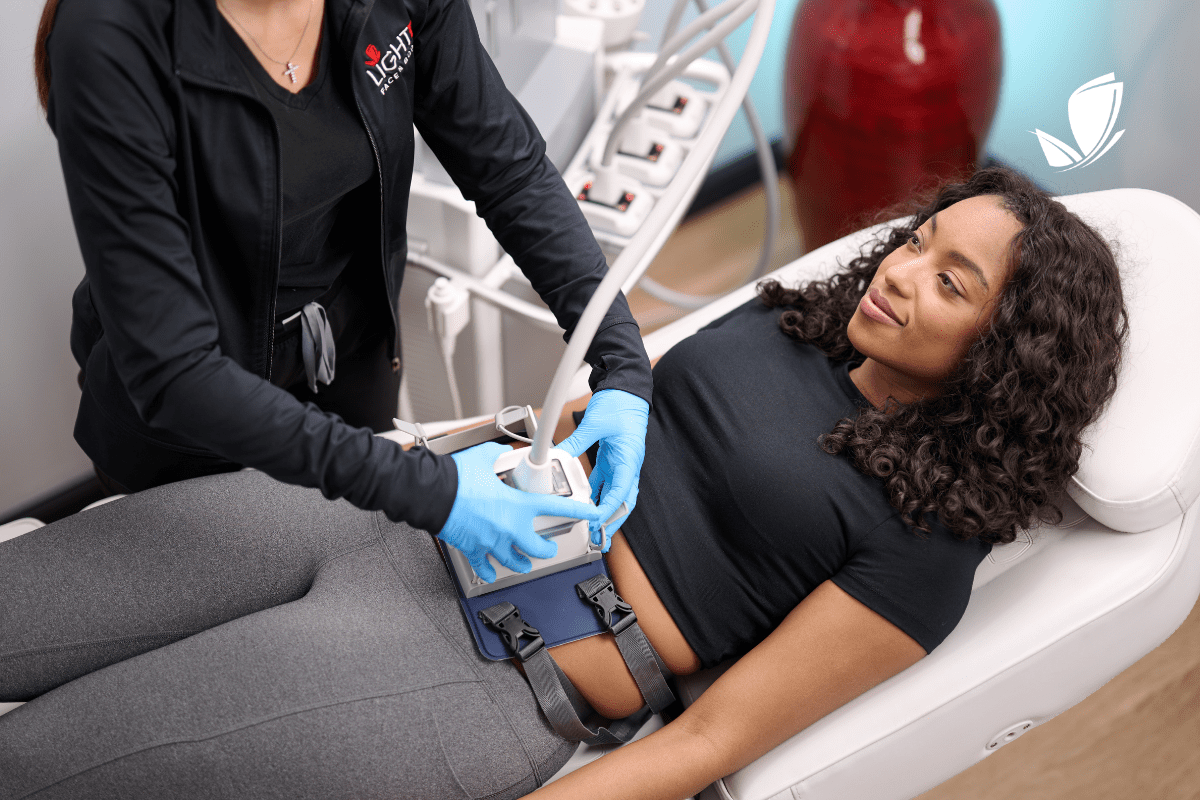
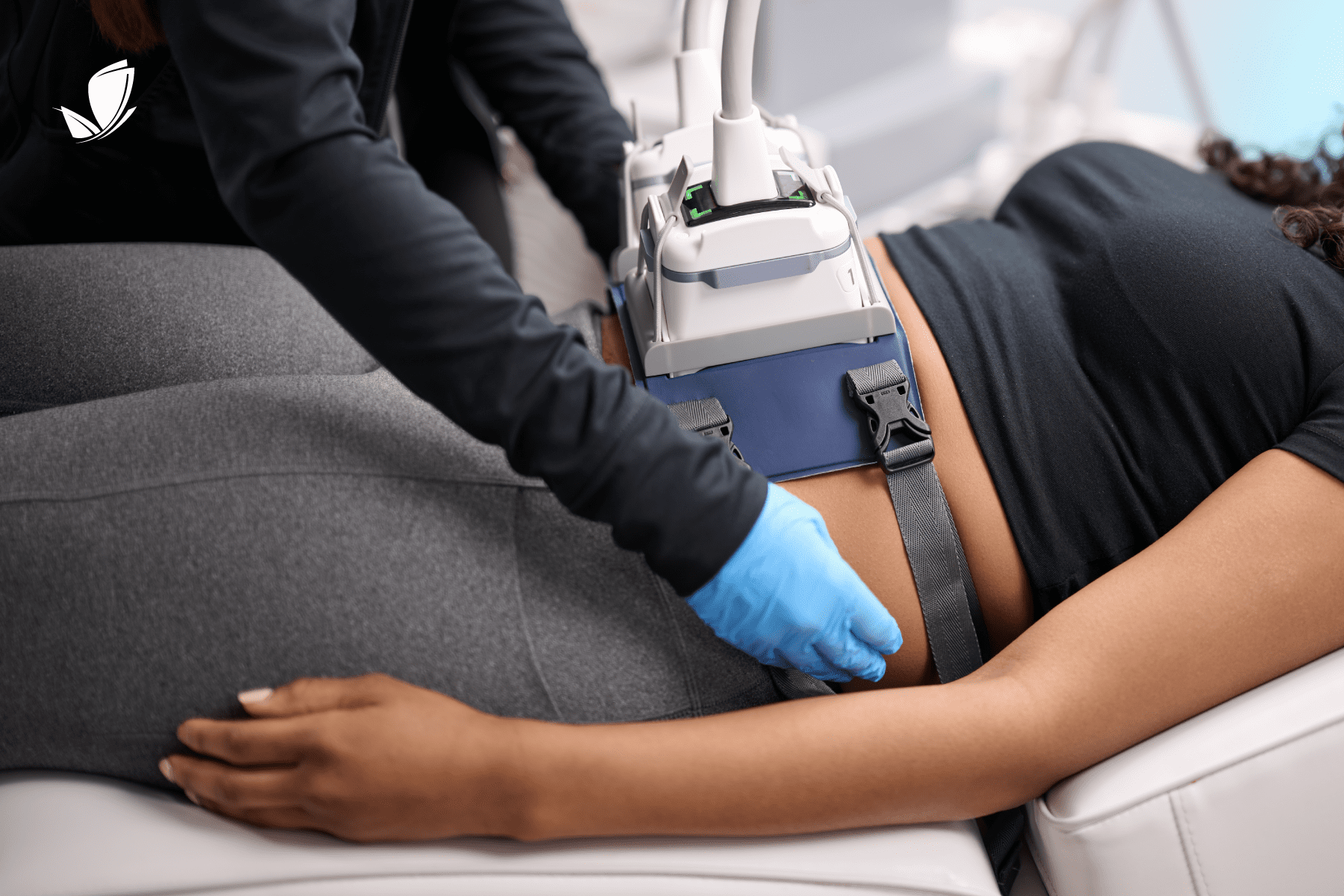
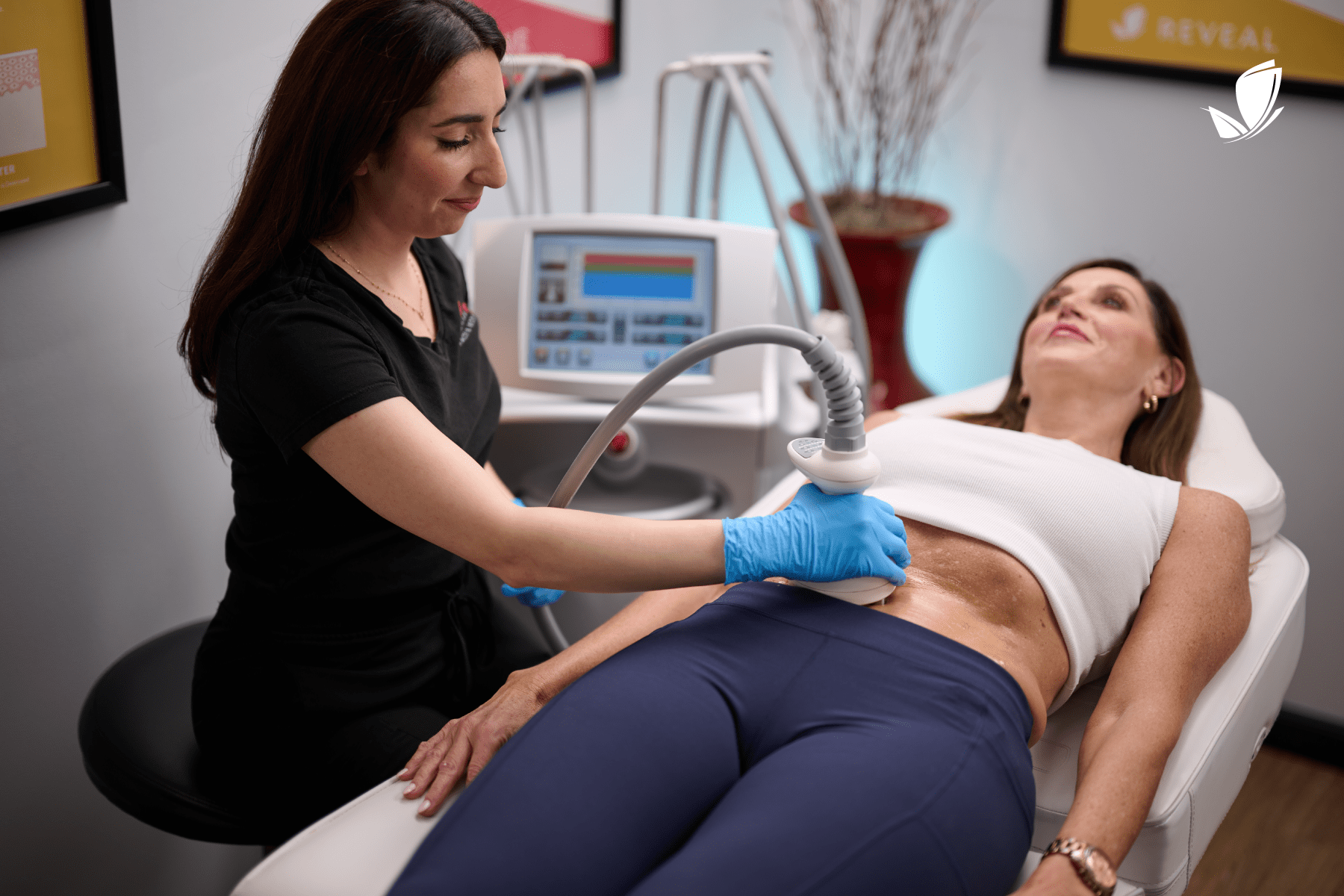
Our most effective treatments for cellulite reduction are Venus Legacy™ and Venus Bliss™. These non-invasive technologies are excellent options for reducing fat, stimulating collagen, and promoting skin tightening—all of which become more important as our natural collagen production declines with age. Venus Legacy™ uses a combination of Multi-Polar Radio Frequency and Pulsed Electro Magnetic Fields to gently heat the tissue under the skin’s surface, encouraging the body’s natural healing response to create new collagen. Venus Bliss™ focuses on fat reduction and body contouring, helping to smooth and firm the skin for effective, long-term cellulite management.
A Note on What Doesn’t Work
It’s just as important to know what doesn’t work so you can focus your energy on effective solutions. Many so-called miracle cures fail because they don’t address the core issue. As skin ages, it naturally loses collagen and becomes thinner, which makes existing cellulite more obvious. Aggressive massages, wraps, and surface-level creams can’t rebuild that internal support structure. Similarly, simply losing weight won’t guarantee an end to cellulite. Sometimes, significant weight loss can result in looser skin, which may actually make dimples more apparent. The key is to focus on proven methods that strengthen and tighten the skin from within.
Creating Your Long-Term Skin-Smoothing Plan
Schedule a free consultation with a LightRx technician to help you determine the best cellulite treatment by age.
Your technician will create your personalized long-term plan and determine the recommended number of treatments to reduce the factors that contribute to cellulite visibility. Don’t wait for cellulite to take over; call today
Frequently Asked Questions
I’m in great shape, so why do I still have cellulite? This is a super common question, and it highlights the biggest myth about cellulite. It has very little to do with your weight or fitness level. Cellulite is a structural issue caused by the way fat cells push against the skin while the fibrous cords connecting your skin to muscle pull down. Because women’s connective cords are arranged differently than men’s, even very lean women can have cellulite. It’s more about your unique anatomy, genetics, and hormones than the number on the scale.
Can diet and exercise get rid of my cellulite? A healthy lifestyle is fantastic for your overall skin health and can certainly help. Strength training builds muscle, which can create a firmer foundation beneath the skin, and a balanced diet supports skin elasticity. However, these habits can’t change the fundamental structure of the connective tissues that cause dimpling. Think of diet and exercise as important supporting actors, while professional treatments are the lead performers that directly address the root cause of cellulite.
Why does cellulite seem to get worse with age? You’re not imagining it. As we get older, especially during perimenopause and beyond, our estrogen levels naturally decline. This hormonal shift leads to reduced collagen production, which is the protein that keeps our skin firm and elastic. When skin becomes thinner and less resilient, the underlying fat cells can bulge through more easily, making cellulite much more noticeable than it was in our 20s or 30s.
Are professional cellulite treatments painful? Not at all. The treatments we use, like Venus Legacy and Venus Bliss, are non-invasive, which means no needles or surgery. Most clients describe the sensation as feeling like a warm, relaxing hot stone massage. There is no downtime required, so you can get back to your daily activities immediately after your session.
How do I know which cellulite treatment is right for me? The best treatment plan is always a personalized one. Your ideal approach depends on factors like your skin’s condition, the type of cellulite you have, and your specific goals. This is why we always start with a free consultation. It allows us to talk through your concerns and design a plan that will give you the smoothest, most effective results.
Key Takeaways
- Cellulite is about structure, not size: It’s caused by the way fat pushes against the fibrous connective tissue under your skin, which is why it affects women of all body types and isn’t a reflection of your health or fitness.
- Hormonal shifts can make cellulite more visible: As you age, declining estrogen levels lead to reduced collagen and skin elasticity, which can make the appearance of cellulite more pronounced, especially during perimenopause.
- Combine at-home habits with professional treatments: A healthy lifestyle supports your skin, but professional technologies are designed to address the root cause by stimulating collagen and tightening tissue from within for more significant, lasting results.