
Laser Dark Spot Removal: A Beginner’s Guide
You can have the most dedicated skincare routine, complete with vitamin C serums, exfoliants, and daily sunscreen, yet still struggle with stubborn dark spots that refuse to fade. It’s a common frustration. While at-home products are fantastic for maintenance and prevention, they often can’t penetrate deep enough to break up the concentrated pigment that causes more prominent spots. When you’re ready for a solution that delivers real, visible results, it’s time to look at professional treatments. Laser dark spot removal is a highly effective procedure that works on a level that topical creams simply can’t reach, using focused light to safely break down discoloration and give you back your clear, even-toned skin.
What are Dark Spots?
Dark skin spots such as age spots, liver spots, sunspots, or birthmarks are caused by an overproduction of melanin. Melanin is the skin pigment responsible for darker skin. This overproduction is catalyzed by overexposure to UV light. This can be from both the sun and unnatural sources such as tanning beds. This hyperpigmentation mostly begins to appear during middle age, but is caused by overexposure earlier on in life, particularly for those that did not use sunblock or those that burned often. For the most part dark spots are harmless, although some could be indicators of cancer. If you do not like the look of these dark spots on your skin, there are some options for you. One option is laser treatment to remove the dark spots.
What Causes Dark Spots?
So, what’s really going on when these spots appear? It all comes down to melanin, the pigment that gives your skin, hair, and eyes their color. Dark spots form when your skin starts producing too much melanin in one concentrated area. The biggest trigger for this overproduction is exposure to ultraviolet (UV) light, which means all that time spent in the sun or in tanning beds is the primary culprit. This is why you often see them on areas that get the most sun, like your face, hands, and shoulders. Other factors include the natural aging process and having a fairer skin tone, though anyone can develop them. It’s your skin’s way of showing past sun damage, and it’s a key reason why effective skin rejuvenation treatments focus on reversing these effects.
How Common Are They?
If you’re noticing dark spots, you are definitely not alone. They are incredibly common, especially as we get older. In fact, studies show that they affect as many as 90% of white individuals over the age of 60. While they are less frequent in people with darker skin tones, they can still appear. The important thing to know is that if you leave them be, they tend to accumulate and can become more challenging to treat down the road. Addressing them earlier can make a significant difference in restoring an even skin tone. Think of it as being proactive with your skin health—the sooner you address the hyperpigmentation, the simpler the solution can be.
Laser Treatment to Get Rid of Dark Spots
Laser treatment to treat dark spots may seem like a science fiction story, but technology has progressed to the point where it is possible. The treatment can be tailored to you. When making a treatment plan, we consider the nature of the spot, both in terms of pigment and size as well as the tone of your skin.
Are You a Good Candidate for Laser Treatment?
One of the first questions people ask is, “Will this even work for me?” The effectiveness of laser treatment for dark spots often depends on your skin tone. Generally, laser treatment works best for people with lighter skin. The technology relies on contrast; the laser needs to easily distinguish between your normal skin pigment and the darker, concentrated melanin in the spot. When there’s a clear difference, the laser can precisely target the hyperpigmentation without affecting the surrounding skin. However, this doesn’t automatically rule you out if you have a deeper skin tone. Advances in laser technology have created more options than ever before, but it does mean that a careful, professional evaluation is absolutely essential to determine the right type of laser and settings for you.
The Importance of a Professional Consultation
Before you commit to any treatment, the most critical step is a professional consultation. It’s the best way to ensure you’re choosing the right path for your skin and to create a personalized plan. During a consultation, a trained technician can properly assess your skin type, the nature of your dark spots, and your overall aesthetic goals. This isn’t just about effectiveness; it’s about safety. An expert can confirm that your spots are benign and recommend the treatment that will deliver the best results with the least risk. At LightRx, we offer a free consultation to discuss your concerns and map out a treatment plan tailored specifically to you, ensuring you feel confident and informed every step of the way.
Exploring Your Treatment Options for Dark Spots
When it comes to addressing dark spots, you have two main avenues to consider: professional in-office treatments and at-home skincare routines. Professional procedures, like those offered at a medspa, use powerful, advanced technology to deliver significant and often rapid results under the supervision of trained experts. These are typically the most effective options for stubborn or prominent hyperpigmentation. On the other hand, at-home skincare involves using over-the-counter products with active ingredients to gradually fade discoloration over time. While more accessible, these options require consistency and patience, and may not be sufficient for more pronounced spots. Understanding the pros and cons of each can help you decide on the best approach for your skin.
Professional In-Office Treatments
For those seeking noticeable and lasting improvement, professional in-office treatments are the gold standard. These procedures use medical-grade technology that is far more potent than anything you can buy for at-home use. Whether it’s a highly focused laser, a broad-spectrum light therapy, or a chemical peel, these treatments are designed to penetrate the skin at deeper levels to break up pigmentation and stimulate cellular renewal. The biggest advantage is that you are in the hands of a trained professional who can customize the treatment to your specific needs, maximizing results while prioritizing the health and safety of your skin. This expert oversight ensures the technology is used effectively to achieve a more even and radiant complexion.
Laser Treatments
Laser treatments are a highly precise and effective way to target unwanted pigmentation. The technology uses a concentrated beam of light that penetrates the middle layer of your skin without harming the surface. This light energy is absorbed by the melanin in the dark spots, breaking the pigment apart so your body’s natural processes can clear it away. Think of it as a “sniper” approach, as it targets the pigment directly with incredible accuracy. For many people, the results are dramatic, with most spots disappearing after just one treatment. This makes it an excellent option for distinct, stubborn spots that haven’t responded to other methods, offering a quick path to clearer skin.
Light-Based Therapies (IPL/BBL)
Intense Pulsed Light (IPL) or BroadBand Light (BBL) therapies are another fantastic option for tackling hyperpigmentation. Unlike lasers that use a single, focused wavelength of light, IPL and BBL treatments use many different wavelengths. This broad-spectrum light is great for treating a variety of skin concerns at once, including brown spots, redness, and sun damage over a larger area. It’s less concentrated than a laser but is highly effective for widespread discoloration. The treatment gently heats the upper layers of your skin, stimulating collagen production and causing pigmented spots to darken and flake off, revealing clearer, more even-toned skin underneath.
Other Medical Spa Procedures
Beyond light and laser therapies, other medical spa procedures can effectively treat dark spots. A chemical peel, for instance, is a popular and time-tested method. This treatment involves applying a chemical solution to the skin, which causes the top layers to exfoliate and eventually peel off. As the old, damaged skin is removed, it reveals the newer, healthier, and more evenly pigmented skin below. Peels come in various strengths, from light to deep, allowing a technician to customize the intensity based on your skin’s needs. It’s a great way to achieve overall skin rejuvenation and address not only dark spots but also fine lines and texture.
At-Home Skincare Options
If you’re just starting to notice discoloration or prefer a less intensive approach, at-home skincare can be a good first step. This path involves incorporating specific products into your daily routine that are formulated to lighten hyperpigmentation. The key to success with at-home care is consistency and patience, as results are gradual and typically less dramatic than what you’d achieve with a professional procedure. These products are excellent for managing mild discoloration and for maintaining the results of in-office treatments. It’s also crucial to pair any brightening routine with diligent sun protection, as UV exposure can quickly undo your progress.
Over-the-Counter Creams and Serums
The skincare market is filled with creams and serums designed to fade dark spots. To find one that works, you need to look for products with proven active ingredients. According to CareCredit, ingredients like hydroquinone, retinol, vitamin C, glycolic acid, and kojic acid can help fade spots when used regularly over several weeks or months. These ingredients work in different ways—some inhibit melanin production, while others increase cell turnover to shed pigmented cells more quickly. While they can be effective for mild hyperpigmentation, it’s important to manage your expectations. They require consistent, long-term use and are unlikely to completely remove deep or stubborn spots on their own.
How does it work?
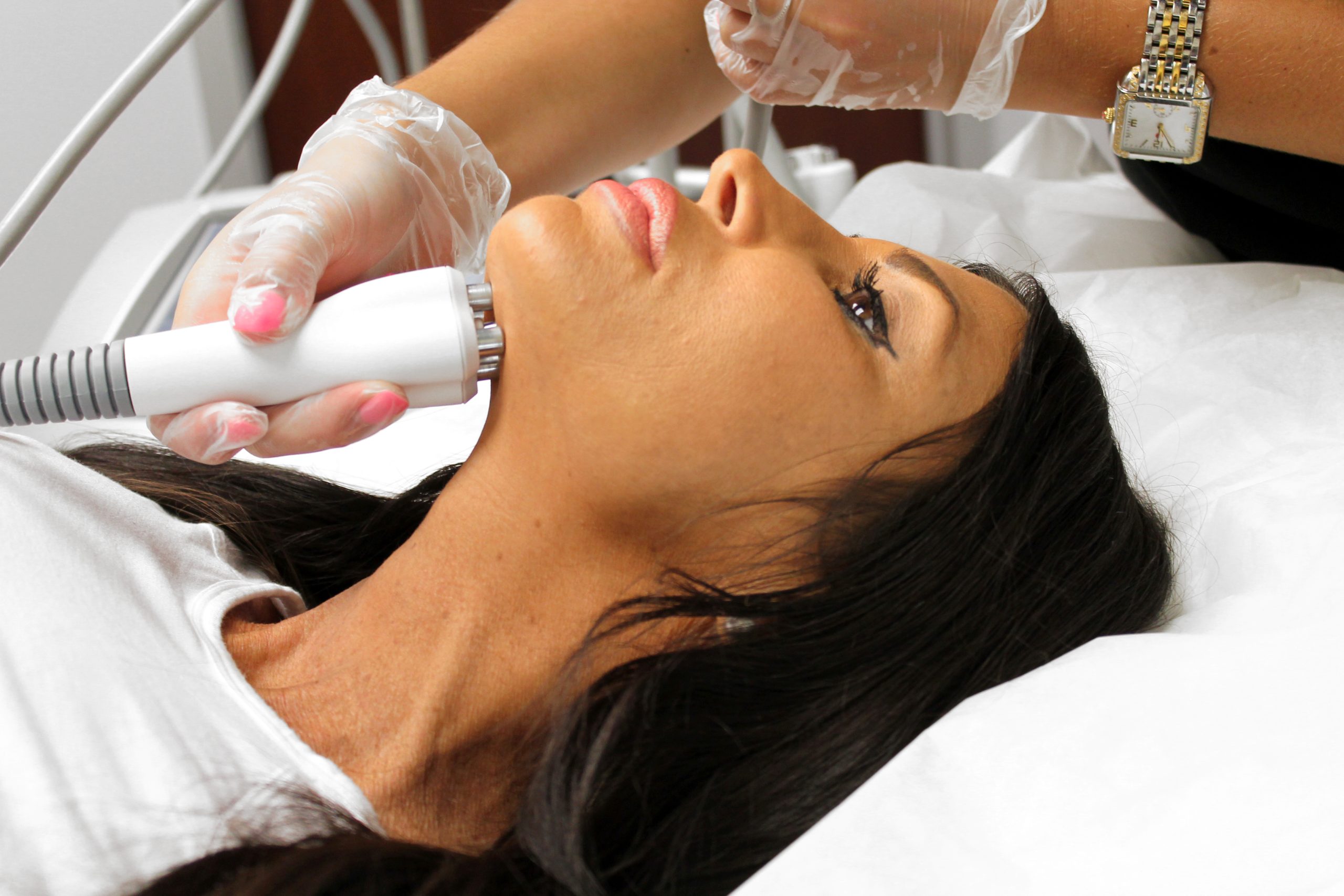
Laser dark spot removal is fairly simple. The lasers are aimed at the targeted area of the skin and beamed in. These lasers create heat, and the heat energy works to break up the dark pigments that have collected in that spot. Once broken up the pigments are small enough for the body’s immune system to naturally dispose of them. Over time following the treatment the dark spots will fade until they disappear. This treatment can be applied to anywhere on the body. There may be some swelling or redness following treatment, but that will fade quickly and then your skin will be left glowing and beautiful.
Our Technology
The technology we use is called the Venus Viva™. The FDA-cleared, clinically proven Venus Viva™ works to improve the overall texture of your skin by addressing a wide range of common concerns. These concerns include wrinkles, discoloration, acne scarring, and stretch marks. With regards to discoloration and specifically dark spot removal, the Venus Viva™ employs its laser technology to apply heat accurately and delicately to the target spot. The surrounding areas of skin are not damaged, because the dark pigmentation absorbs the lasers, while the lighter surrounding skin reflects them. The Venus Viva™ takes comfort seriously but does not sacrifice when it comes to results. In fact, most people do not report any sort of discomfort. Those that do feel some discomfort report it as mild. People describe the sensation as a rubber band snapping on the skin. A mild numbing cream can be applied prior to the treatment if you think pain will be an issue for you.
Understanding the Costs of Dark Spot Treatments
When you’re considering any cosmetic treatment, the price is always a big question. The cost of addressing dark spots can vary quite a bit, depending on the type of treatment you choose, the size of the area being treated, and how many sessions you’ll need to see the results you want. Think of it less like a one-size-fits-all price tag and more like a personalized investment in your skin. Factors like your geographic location and the expertise of your technician also play a role. The best way to get a clear picture of what your specific treatment plan will cost is to sit down for a consultation. At LightRx, we offer free personal consultations to map out a plan that aligns with your skin goals and your budget, so you know exactly what to expect before you commit.
Average Cost of Laser Resurfacing
Laser resurfacing is one of the most effective ways to treat dark spots, and its cost reflects the technology and skill involved. According to the American Society of Plastic Surgeons, the average cost can range from around $1,445 for non-ablative treatments to $2,509 for ablative ones. Non-ablative lasers work by heating the underlying skin tissue to stimulate collagen production without harming the surface, making for a gentler treatment with less downtime. Ablative lasers are more intensive, removing the thin outer layer of skin to reveal the smoother, more even-toned skin underneath. The final price you pay will depend on the specifics of your skin rejuvenation plan, including the number of sessions required to fully address your hyperpigmentation.
Costs for Other Common Treatments
While laser resurfacing is a popular choice, it’s not the only option out there. Other professional treatments like chemical peels, intense pulsed light (IPL) therapy, and microneedling can also be very effective for reducing the appearance of dark spots. The costs for these procedures also vary. For example, a series of chemical peels might be less expensive per session than a laser treatment, but you may need more of them to achieve a similar outcome. Your skin type, the severity of your dark spots, and your desired results will all influence which treatment is right for you. This is why a personalized assessment is so important—it allows a professional to recommend the most effective and cost-efficient path forward for your unique skin concerns.
What to Expect: Before, During, and After Your Treatment
Deciding to move forward with a treatment is exciting, and knowing what the process looks like can make you feel much more confident and prepared. The journey to clearer skin generally happens in three phases: getting ready for your appointment, the treatment itself, and the recovery period. Each step is crucial for achieving the best possible results and ensuring your skin heals beautifully. While the actual procedure is often quick, the care you take before and after is just as important. Your technician will give you specific instructions tailored to your skin and the technology being used, but here’s a general overview of what you can anticipate as you get ready to say goodbye to those dark spots.
Preparing for Your Appointment
Proper preparation is key to a successful laser treatment. Your main job before your appointment is to protect your skin from the sun. You should stay out of the sun and avoid tanning beds for at least two weeks leading up to your session. Sun exposure can increase your skin’s sensitivity and the risk of complications, so make sunscreen your best friend. Your technician may also advise you to stop using certain skin care products, like retinoids or exfoliants, for a few days beforehand. On the day of your treatment, it’s best to arrive with a clean face, free of any makeup, lotions, or creams. This ensures the laser can work as effectively as possible on the targeted areas.
Post-Treatment Care and Recovery
After your session, your skin will need a little TLC. It’s normal to experience some redness or swelling, but this usually subsides quickly. One thing that can be surprising is that your dark spots might actually look darker for about a week. Don’t panic! This is a sign the treatment is working. The laser breaks up the pigment, which then moves to the surface of your skin before flaking off. You’ll see the final results develop slowly over the following days and weeks. The most critical part of your recovery is protecting your newly treated skin from the sun. Applying a broad-spectrum sunscreen daily is non-negotiable, as it will help prevent new spots from forming and ensure your beautiful results last. Following a gentle skincare routine will help you maintain your glowing, even complexion.
How many sessions do I need?
For laser dark spot removal sessions typically take around 30 to 45 minutes, depending on the area of the skin being targeted. The number of sessions needed will depend on the severity of the spots being targeted. Some may need only one session, where others will need more. The best way to determine the number of sessions is to visit your nearest LightRx and speak with someone in a consultation.
What Kind of Improvement Can I Expect?
It’s helpful to know what the process looks like after your treatment so you can set clear expectations. Most people experience a significant reduction in pigmentation, often seeing a 70-80% improvement in their dark spots. Immediately following your session, you might notice the treated spots actually look darker for a few days. This is a completely normal and expected part of the healing process. The laser energy works by breaking up the concentrated pigment, which then rises to the skin’s surface before it can be cleared away. Over the course of about a week, this darker pigment will naturally flake off, revealing the clearer, healthier skin underneath. The full results of your skin rejuvenation will continue to develop over the following days and weeks as your skin completely heals, leaving you with a more even and radiant complexion.
What is the typical downtime?
The great thing about laser dark spot removal is that it is not an invasive treatment or involves any surgery. Among other positives, this means that you avoid any scarring or possible infections that could come with surgery. In addition, this means that it comes with no downtime. You can leave our medspa and return to your normal activities. The main thing is upkeep following the treatment. You might have to avoid makeup for a while following the treatment, as well as making sure you avoid any more UV damage. To do this might have to avoid direct exposure to sunlight for a short period, as well as avoiding tanning beds. You should also use UV protection such as sunscreen.
Maintaining Your Results and Preventing Future Dark Spots
After investing time and care into achieving clear, even-toned skin, the last thing you want is for those dark spots to reappear. While laser treatments are incredibly effective, maintaining those results requires a proactive approach. Think of it as protecting your investment. The good news is that with the right strategy, you can keep your skin looking radiant and prevent new spots from forming. It’s all about understanding why they might come back and building a simple, consistent routine to keep them at bay for the long haul.
Why Dark Spots Can Return
It’s a common question: can pigmentation come back after laser treatment? The honest answer is yes, it can. This isn’t a failure of the treatment, but rather a reflection of how our skin works. The primary reasons dark spots might return are continued sun exposure, hormonal shifts (like those during pregnancy or from certain medications), and your daily skincare habits. Unprotected time in the sun is the biggest factor, as UV rays can trigger your skin to produce more melanin, leading to new spots. Understanding these triggers is the first step in creating a defense plan to keep your complexion clear and even-toned long after your final session.
The Role of a Consistent Skincare Routine
Protecting your skin from the sun is the single most important thing you can do to maintain your laser treatment results. A daily, broad-spectrum sunscreen with an SPF of 30 or higher is non-negotiable, even on cloudy days. Beyond sun protection, a consistent skincare routine can make a huge difference. Incorporating ingredients like vitamin C to brighten and antioxidants to protect can support your skin’s health. During your free consultation, our team at LightRx can discuss a personalized post-treatment plan to help you sustain your beautiful results and keep your skin glowing.
A Note on Melasma
Melasma is a specific type of hyperpigmentation that is often triggered by hormones and can be particularly persistent. While laser treatments can be effective, it’s important to know that melasma has a high chance of returning. Because of its stubborn nature, management often involves a combination of approaches, including topical creams and a strict sun protection regimen. No matter which treatment path you choose, ongoing care is essential to keep melasma under control. It’s a condition that requires consistent effort, but with the right plan, you can manage its appearance effectively and enjoy clearer skin.
What is the next step?
Schedule a consultation! If you are interested in receiving laser dark spot removal treatment, then you might be interested in our other skin rejuvenation treatments. The Venus Viva™ does a great job at all sorts of skin resurfacing. Skin resurfacing is safe for men and women and terrific for treating acne scars, fine lines, surface irregularities, sun damage, freckles, loose skin, diminished tone, and texture. If you would like to learn more be sure to schedule a consultation. The best way to know exactly what treatment is right for you is by calling us at 877-721-4547 and scheduling a consultation in one of our offices. These consultations take as little as 30 minutes and are private one on one consultations with the clinic director.
Frequently Asked Questions
Is the laser treatment painful? Most people find the treatment very manageable and describe the sensation as a quick snap, similar to a rubber band on the skin. Our technology is designed for comfort, but if you’re concerned about sensitivity, we can apply a mild numbing cream before the session to make sure your experience is as comfortable as possible.
How quickly will I see results after my session? You’ll notice a change in the days following your treatment, but it’s a gradual process. The treated spots will initially appear darker for a few days, which is a normal sign that the pigment is breaking down. Over the next week or so, this darkened pigment will naturally flake off, revealing clearer, more even-toned skin underneath.
Can I get this treatment on areas other than my face? Absolutely. While the face is a popular area, laser dark spot removal is effective for any part of the body that has sun damage or hyperpigmentation. We frequently treat common areas like the hands, chest, and shoulders, where dark spots often appear due to sun exposure.
What makes a laser different from an IPL or BBL treatment? The main difference is the type of light used. A laser uses a single, highly concentrated beam of light to precisely target and break up individual spots. IPL (Intense Pulsed Light) uses a broad spectrum of light, which is excellent for treating more widespread issues like general sun damage, redness, and scattered discoloration over a larger area.
Why should I choose a professional treatment over an at-home cream? At-home creams and serums are great for maintaining results and addressing very mild surface discoloration. However, they can’t penetrate the skin deeply enough to break up the concentrated pigment that causes stubborn dark spots. A professional laser treatment works on a deeper level to break apart that pigment directly, delivering more significant and lasting results.
Key Takeaways
- Go pro for stubborn spots: While at-home skincare can manage mild discoloration, professional treatments like lasers provide the power needed to break up deep, concentrated pigment for more significant, visible results.
- A custom plan is crucial for success: The best treatment depends on your unique skin tone and the type of hyperpigmentation you have, making a professional consultation essential for creating a safe and effective approach.
- Daily sunscreen protects your investment: After treatment, your skin is vulnerable to new sun damage, so applying a broad-spectrum sunscreen every day is the most important step to prevent dark spots from returning.