

How to Fix Loose Skin on Neck After Weight Loss
Many people assume surgery is the only real fix for loose skin after weight loss, but that simply isn’t true anymore. While surgical procedures have their place, they come with serious downtime and costs. The good news? Advanced non-surgical technologies now offer a powerful alternative for mild to moderate laxity. These treatments work beneath the surface to rebuild your skin’s internal structure without a single cut. If you’re struggling with a loose skin neck after weight loss and asking yourself, “is it possible to tighten skin after weight loss?” the answer is yes. We’ll break down your best options right here.
Key Takeaways
- Build a Strong Foundation at Home: Help your skin recover its firmness by focusing on a protein-rich diet, staying hydrated, and incorporating strength training to build muscle that supports the skin from underneath.
- Consider Professional Treatments for Targeted Results: When at-home methods aren’t enough, non-surgical options like radiofrequency and laser therapy can stimulate new collagen growth. The key is to get a custom plan from a provider you trust to address your specific areas of concern.
- Protect Your Results with Smart Habits: Maintaining a firm appearance is all about consistency. Keep your skin healthy by maintaining a stable weight, using sunscreen every day to prevent collagen damage, and following a dedicated skincare routine.
Why Do I Have Loose Skin After Losing Weight?
First off, congratulations on your weight loss journey. It’s a huge accomplishment that takes dedication and hard work. But as you admire your new shape, you might also notice something you didn’t expect: loose or sagging skin. It’s a common and often frustrating side effect, but understanding why it happens is the first step toward addressing it.
When you gain weight, your skin stretches to accommodate the increased volume. Think of it like a balloon inflating. Your skin is incredibly resilient, but carrying extra weight for a long time can put a strain on its supportive structures. The two key proteins responsible for your skin’s firmness and elasticity, collagen and elastin, can become damaged. When you lose the weight, especially if it’s a significant amount, these fibers may have lost some of their ability to snap back into place. This is why you might be left with skin that feels less firm than before. The amount of loose skin can depend on several things, including how much weight you lost, how long you carried it, your age, and genetics. While it can be discouraging, there are effective ways to manage it, from at-home care to professional skin tightening treatments.
What Does Skin Elasticity Actually Mean?
So, what exactly is skin elasticity? In simple terms, it’s your skin’s ability to stretch and then return to its original shape. The credit for this amazing feature goes to collagen and elastin fibers in your dermis (the middle layer of your skin). Collagen provides structure and firmness, acting like the scaffolding that holds everything up. Elastin, as the name suggests, gives your skin its stretchiness or elastic quality. As we get older, our bodies naturally slow down the production of these essential proteins. This gradual decline is a major reason why skin loses its firmness over time, independent of weight changes.
What Affects Your Skin’s Firmness?
Age is a big factor, but it’s not the only one. Several other elements can influence how firm your skin is. Sun exposure is a major one; UV rays can break down collagen and elastin at an accelerated rate, leading to premature sagging and wrinkles. Lifestyle habits like smoking can also compromise skin health by restricting blood flow and introducing toxins. Furthermore, rapid weight loss can sometimes leave your skin with less time to adjust and retract. Genetics play a role, too—some people are simply predisposed to having more elastic skin than others. All these factors contribute to the overall condition of your skin’s supportive network.
Dealing with Loose Skin on Your Neck, Arms, and Stomach
After significant weight loss, you’re most likely to notice loose skin in areas where your body stored the most fat. The most common spots include the abdomen, upper arms, thighs, and buttocks. You might also see it on your neck and face. These are the areas that experienced the most stretching. For individuals who have undergone massive weight loss, the skin’s structure can be significantly compromised. Studies show that the collagen fibers can become damaged and disorganized, which affects the skin’s integrity and appearance. This is why these specific areas are particularly prone to sagging after the underlying fat is gone.
Why the Neck Is Especially Prone to Sagging
The neck is often one of the first places to show signs of aging and weight changes, and for good reason. The skin here is thinner and more delicate than on most other parts of your body. When you lose a significant amount of weight, especially quickly, the skin on your neck and jawline may not have enough time to retract. This can lead to a saggy appearance, sometimes referred to as “Ozempic neck,” a term that has gained popularity with the rise of weight-loss medications. Because the neck has less fatty tissue and structural support, the loss of volume underneath can make loose skin much more noticeable, creating a look that might not match how great the rest of your body feels.
Understanding “Turkey Neck” and Other Common Terms
You’ve probably heard the term “turkey neck,” and it’s a pretty descriptive, if not very flattering, way to talk about this issue. It’s a catch-all phrase for the combination of sagging skin, stubborn pockets of fat, and loose muscles that can gather under the chin and along the neck. This creates a droopy appearance that can obscure the definition of your jawline. Understanding this term helps you pinpoint exactly what you’re seeing. It’s not just about loose skin; it’s often a mix of factors that contribute to the overall look, which is why a personalized treatment plan is so important for getting the results you want.
The Role of Platysma Muscles in Neck Appearance
Beneath the skin on your neck are two large, sheet-like muscles called the platysma bands. When you’re younger or carrying more weight, these muscles are usually hidden. However, as you lose fat and your skin loses some of its elasticity, these muscles can become much more prominent. They often appear as distinct vertical lines running from your collarbone up to your jaw. This can contribute to an aged or strained look in the neck area. Addressing these visible bands is a key part of comprehensive neck tightening, as simply treating the skin’s surface won’t change the appearance of the underlying muscles.
Other Factors That Contribute to Loose Skin
While weight loss is a primary trigger for sagging skin, other elements play a significant role in your skin’s overall firmness. Sun exposure is a huge one. Years of UV damage can break down collagen and elastin, accelerating the sagging process. Your genetics also determine your skin’s natural resilience and how well it bounces back. Lifestyle choices, like smoking or a poor diet, can further compromise skin health by hindering its ability to repair itself. All these factors combined create the unique condition of your skin, which is why a multi-faceted approach that includes professional skin rejuvenation and smart at-home care is the most effective strategy.
Can You Tighten Loose Skin at Home?
After all the hard work you’ve put into losing weight, dealing with loose skin can feel like a major setback. But don’t lose heart! There are several effective steps you can take right at home to support your skin’s health and improve its firmness. Think of these natural methods as building a strong foundation. They work beautifully on their own and can also enhance the results of professional treatments.
The Importance of Gradual Weight Loss
I get it—when you’re on a weight loss mission, you want to see results fast. But if you’re also concerned about loose skin, hitting the brakes a little can make a huge difference. Think of it this way: losing weight too quickly doesn’t give your skin a fair chance to keep up. It needs time to retract and adjust to your new frame. Experts often recommend aiming for a gradual loss of about one to two pounds per week. This steady pace allows your skin’s supportive collagen and elastin fibers to adapt more effectively. While you can’t change your genetics or your age, controlling the speed of your weight loss is one of the most powerful tools you have for minimizing sagging skin down the road.
Eat Your Way to Firmer Skin
What you eat has a direct line to your skin’s resilience. To give your body the tools it needs to produce more collagen and elastin—the proteins that keep skin firm—focus on a balanced diet. Make sure you’re getting plenty of protein from sources like lean meats, fish, and beans. Vitamin C, found in citrus fruits and leafy greens, is crucial for collagen synthesis. And don’t forget healthy fats from avocados and nuts, which help keep your skin supple. These nutrients are the essential building blocks for the kind of skin rejuvenation you’re aiming for.
Why Water Is Your Skin’s Best Friend
One of the simplest yet most powerful things you can do for your skin is to drink enough water. When you’re properly hydrated, your skin cells plump up, which makes your skin look fuller and more flexible. This can significantly soften the appearance of sagging. It’s like moisturizing your skin from the inside out. Aim to sip water consistently throughout the day to keep your skin happy and hydrated. Good hydration is a key piece of the puzzle, and our advanced services can help you achieve even more comprehensive results.
Fill Out Loose Skin with Muscle
When you lose a significant amount of fat, you can help fill some of that space with lean muscle to create a firmer, more toned look. Strength training is your best friend here. It helps build a supportive foundation right underneath your skin. As your muscles grow, they essentially take up the slack, making the skin on top appear tighter. Incorporating resistance exercises a few times a week is a fantastic complement to professional body contouring treatments that help refine and sculpt your new shape.
Your Daily Routine for Firmer Skin
Your daily routine can also make a real difference. Try massaging a firming cream or oil into areas with loose skin. Using gentle, circular motions helps stimulate blood flow and can support skin health over time. Even more critical is protecting your skin from the sun. UV rays are notorious for breaking down elastin, which will only make skin laxity worse. Make it a non-negotiable habit to apply a broad-spectrum sunscreen with SPF 30 or higher to all exposed skin. These simple habits are essential for maintaining the results of any professional skin tightening treatments you decide to pursue.
Key Skincare Ingredients for Neck Firmness
Beyond diet and hydration, the products you apply directly to your skin can make a noticeable impact. When shopping for a neck cream, look for powerhouse ingredients known to support collagen and elastin. Retinoids are a gold standard for encouraging cell turnover and stimulating collagen production. Peptides, which are short chains of amino acids, act as messengers that signal your skin to create more collagen. And don’t underestimate antioxidants like Vitamin C; just as it’s crucial in your diet for collagen synthesis, applying it topically helps protect the collagen you have from environmental damage. Consistently using products with these ingredients can contribute to the overall skin rejuvenation process, helping the neck area appear smoother and more toned over time.
Can Neck Exercises and Massage Help?
Absolutely. While they might not produce the dramatic results of a professional treatment, incorporating neck exercises and massage into your routine can certainly help improve the area’s appearance. Think of it as a two-part strategy. Exercises work to strengthen and build the underlying platysma muscles, which provides a stronger support structure for the skin sitting on top. Massage, on the other hand, focuses on the skin itself, helping to stimulate blood flow and circulation. This increased blood flow delivers more oxygen and nutrients to the skin cells, which is essential for their health and vitality. Together, these practices create a more supportive environment for your skin to look its best.
Targeted Exercises for Neck Muscles
You don’t need a gym membership to work on the muscles in your neck. Simple, targeted movements can be done anywhere. One effective exercise is the “ceiling kiss”: sit or stand with your back straight, tilt your head back to look at the ceiling, and then pucker your lips as if you’re trying to kiss it. You should feel a pull in your neck and under your chin. Hold for five seconds, relax, and repeat 10-15 times. Another great one is the jaw jut: tilt your head back, push your lower jaw forward to feel a stretch, hold for 10 seconds, and repeat. Remember, strength training is your best friend here. It helps build a supportive foundation right underneath your skin, which is a great way to complement professional body contouring efforts.
Supportive Practices like Massage and Dry Brushing
Giving your neck a little extra attention with massage can feel great and offer real benefits. When applying your moisturizer or a firming cream, take an extra minute to work it in with upward strokes, moving from your collarbone toward your jawline. Using gentle, circular motions helps stimulate blood flow and can support skin health over time. You can also try dry brushing the area before you shower, using a soft, natural-bristle brush in the same upward motion. This practice exfoliates dead skin cells and invigorates the skin. These simple habits are excellent for maintaining the results of any professional skin tightening treatments you may be considering.
Professional Treatments (Without the Surgery)
When at-home methods don’t give you the results you’re looking for, it might be time to explore professional treatments. The great news is that surgery isn’t your only option. Technology has come a long way, offering some incredible non-surgical ways to help firm up loose skin. These treatments work by targeting the deeper layers of your skin to kickstart your body’s natural regenerative processes. They are designed to be effective with minimal downtime, making them a great fit for busy lifestyles. Let’s walk through some of the most popular and effective options available.
How Radiofrequency (RF) Tightens Skin
If you’re looking for a proven way to firm up your skin, radiofrequency (RF) treatments are a fantastic choice. This technology uses special energy to gently warm the deeper layers of your skin. According to the American Board of Cosmetic Surgery, this heat tells your body to produce more collagen and elastin—the essential proteins that act like your skin’s internal support system. The result is skin that looks and feels firmer, smoother, and more youthful. At LightRx, we use advanced RF technology as part of our skin tightening services to help you achieve a more toned appearance without invasive procedures.
Using Ultrasound to Firm Your Skin
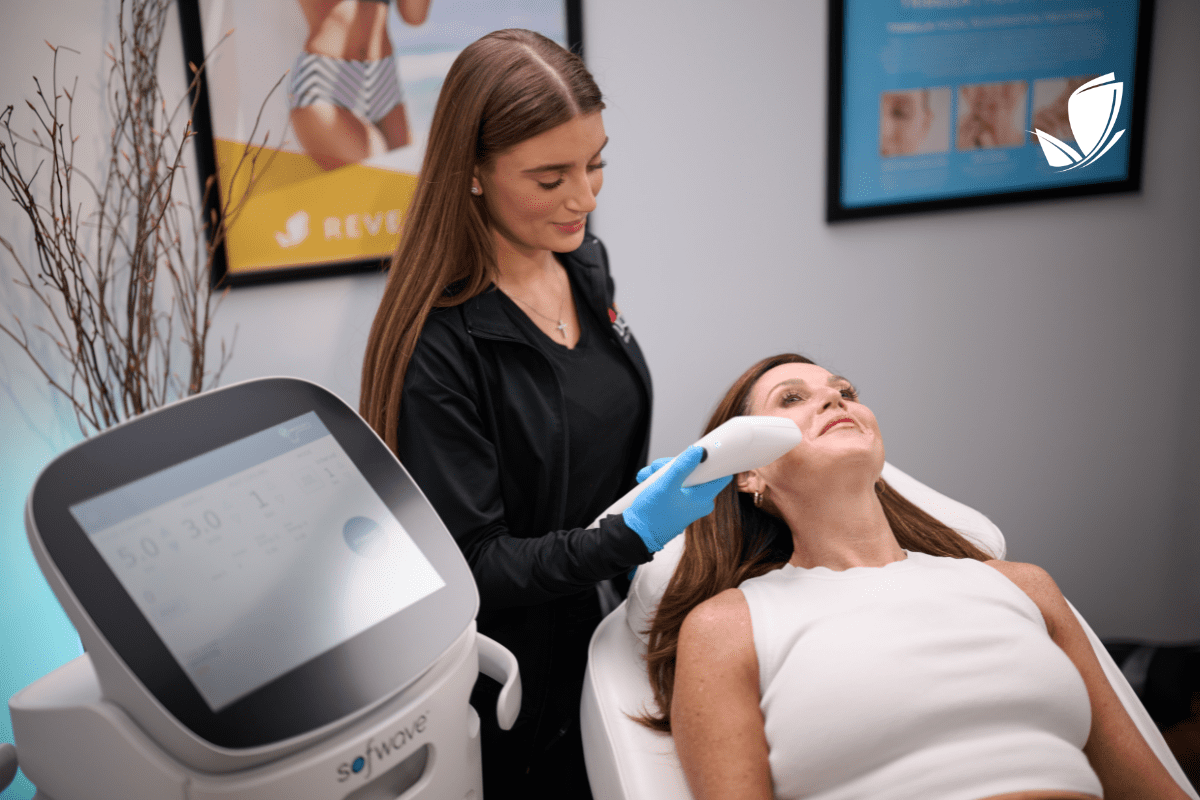
Ultrasound therapy is another powerful tool for tightening loose skin. You might be familiar with ultrasound from medical imaging, but this application uses focused energy to achieve a different goal. The energy heats the skin at a depth of up to 5mm, which is deeper than many other non-invasive treatments can reach. This process stimulates collagen production right where it counts, improving your skin’s elasticity from the inside out. A typical session lasts between 30 and 90 minutes, making it a convenient option to fit into your schedule.
The Lowdown on Laser Skin Tightening
Laser skin tightening is a popular and effective method that uses focused light energy to heat and tighten the skin. As noted by Verywell Health, this approach often requires a few treatments to see the best results, but it’s a go-to for improving skin laxity on the face, neck, and body. The laser energy promotes collagen remodeling, which gradually firms the treated area over time. It’s a precise and controlled way to address loose skin, helping you achieve a smoother, more contoured look.
RF Microneedling for Deeper Collagen Remodeling
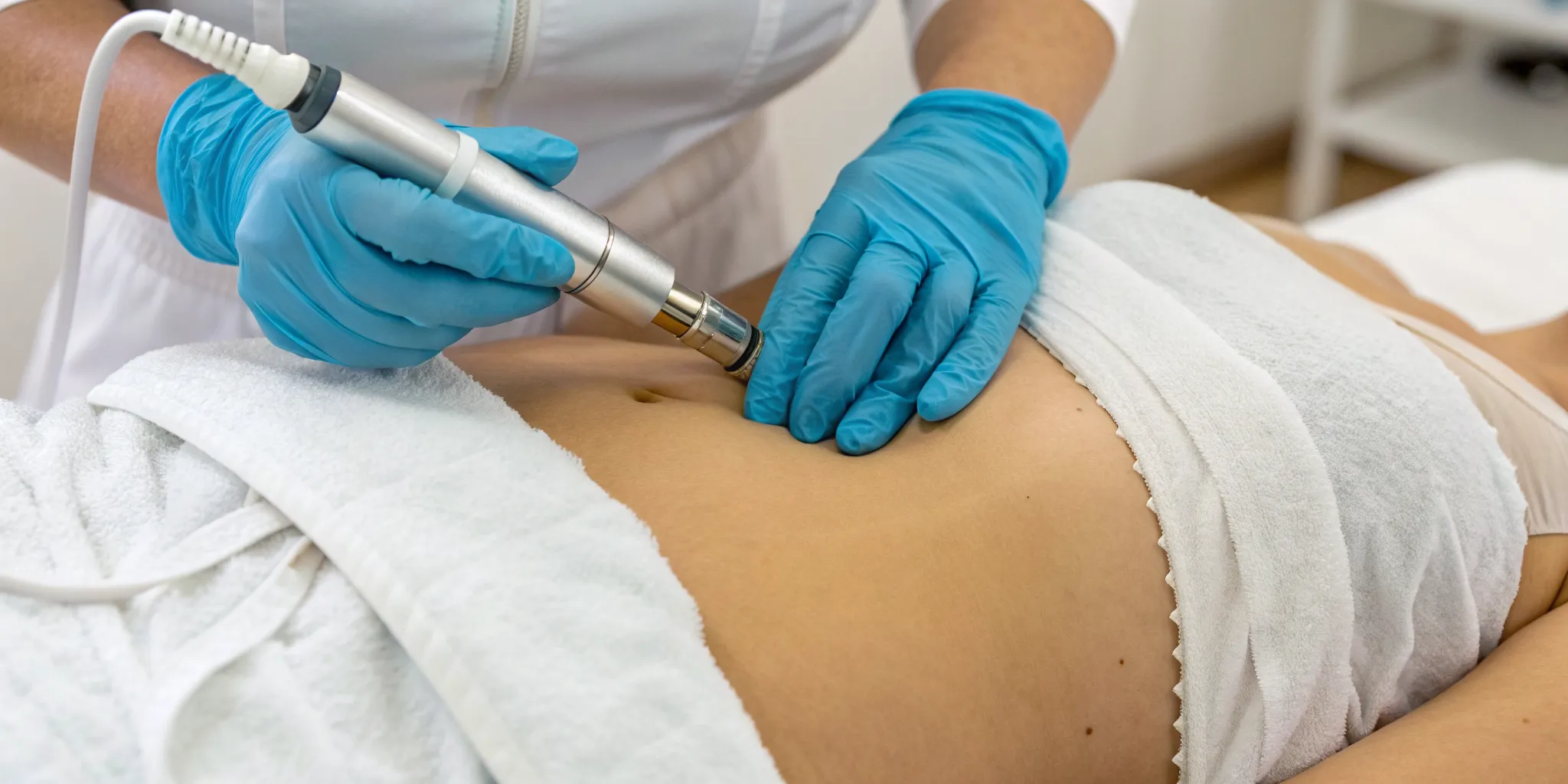
For a treatment that works on a deeper level, RF microneedling is a game-changer. This innovative procedure combines the benefits of two powerful technologies: microneedling and radiofrequency energy. Tiny needles create micro-channels in your skin, which on its own triggers a healing response and new collagen growth. When you add radiofrequency, it delivers controlled heat deep into the dermis, amplifying that collagen and elastin production even more. This dual-action approach is incredibly effective for improving not just firmness but also skin texture and tone. It’s a fantastic option for addressing skin laxity because it rebuilds your skin’s underlying support structure for results that are both natural and lasting.
Injectable Solutions for the Neck and Chin
Sometimes, the concerns around your neck and chin are very specific. You might notice vertical bands that appear when you talk or stubborn fat that creates a “double chin” effect, even after weight loss. For these targeted issues, injectable treatments can be a precise and effective solution. Unlike treatments that cover a broader area, injectables allow a practitioner to address the exact muscles or fat pockets causing the concern. Options like Botox and other specialized injectables can offer noticeable improvements with no downtime, making them a popular choice for refining the delicate contours of the neck and jawline.
Using Botox for Platysmal Bands
If you’ve noticed two vertical bands running down your neck, you’re likely seeing your platysma muscles. These muscles can become more prominent with age and after weight loss, creating an appearance that some people dislike. This is where Botox can work wonders. As explained by the Cleveland Clinic, a few quick injections can relax these tight muscles, causing them to recede and giving your neck a much smoother and more youthful look. It’s a highly targeted treatment that directly addresses the muscular component of neck aging and laxity, offering a simple yet powerful way to refine your profile.
Reducing Submental Fat with Kybella
Even after losing weight, some people are left with a stubborn pocket of fat right under the chin, often called submental fullness. Injectable treatments like Kybella are specifically designed to tackle this. The active ingredient is a synthetic form of deoxycholic acid, a substance your body naturally uses to break down and absorb dietary fat. When injected into the area, it permanently destroys the fat cells, preventing them from storing fat again. This process helps to redefine your jawline and create a sharper, more contoured profile. It’s an excellent non-surgical alternative for anyone looking to address a double chin without undergoing a more invasive procedure.
Fat Freezing for a Contoured Jawline
Another highly effective, non-invasive method for sculpting the jawline is fat freezing, also known by the brand name CoolSculpting. This technology uses a process called cryolipolysis to target and eliminate stubborn fat cells. A specialized applicator cools the fat under your chin to a precise temperature that crystallizes and destroys the fat cells without harming the surrounding skin or tissue. Over the following weeks, your body naturally processes and clears away these dead cells, revealing a slimmer and more defined jawline. It’s a great option for reducing unwanted fat pockets and is often used alongside skin tightening treatments for a comprehensive result.
How We Create a Plan Just for You
Every person’s skin and body is unique, which is why a one-size-fits-all approach just doesn’t work. At LightRx, we create custom treatment plans tailored to your specific goals. Non-surgical skin tightening is most effective for people with mild to moderate loose skin. It’s important to note that these treatments aren’t recommended for everyone, including those who are pregnant or have certain health conditions. The best way to find out if you’re a good candidate is to come in for a free consultation. We’ll discuss your goals, assess your skin, and design a plan that’s right for you.
What a Non-Surgical Treatment Really Feels Like
It’s important to have realistic expectations when starting any new treatment. While results can be impressive, they aren’t always immediate. Your body needs time to build new collagen, so you’ll likely see gradual improvement over several weeks or months. The American Board of Cosmetic Surgery states that results from non-surgical skin tightening can last up to a year, though individual experiences vary. To get the best outcome, you might need more than one session. We’ll map out a clear timeline during your consultation so you know exactly what to expect on your journey to firmer skin.
When Is Surgery the Right Option?
While non-surgical treatments are fantastic for many people, it’s important to be realistic about what they can achieve. For individuals who have experienced massive weight loss, surgery might be the most effective route for removing significant amounts of excess skin. Procedures like tummy tucks or arm lifts are designed specifically for this purpose and can create dramatic, life-changing results.
However, surgery is a major decision with serious implications for your body, schedule, and wallet. It involves anesthesia, incisions, and a lengthy recovery period. That’s why it’s typically considered after other options have been explored or when the amount of loose skin is too substantial for non-invasive methods to address effectively. If you have mild to moderate skin laxity, non-surgical skin tightening can often provide the firmness you’re looking for without the downtime. The key is to weigh the pros and cons of each approach and have an honest conversation with a trusted professional to determine the right path for your unique body and goals.
What Are the Surgical Options?
When we talk about surgery for loose skin, we’re usually referring to body contouring procedures. The primary goal of these surgeries is to remove excess skin and fat to reshape and tone the underlying tissue. Think of procedures like a tummy tuck (abdominoplasty), an arm lift (brachioplasty), or a thigh lift. Each one is tailored to a specific area of the body where sagging skin is common after significant weight loss. Unlike non-invasive treatments that encourage collagen production, these are surgical excisions that physically cut away the extra skin to create a smoother, more defined silhouette.
Neck Lift (Platysmaplasty)
A neck lift, medically known as a platysmaplasty, is a surgical procedure designed to address more advanced signs of aging or significant skin laxity in the neck area. It’s often the recommended path when you’re dealing with moderate to severe issues, such as very loose, hanging skin or distinct vertical bands in the neck. The surgery involves removing excess, sagging skin and tightening the underlying platysma muscles to create a smoother and more youthful contour. This is a more invasive option compared to non-surgical treatments, but for those who have experienced massive weight loss, it can provide the most dramatic and definitive transformation by physically removing the extra skin that simply can’t bounce back on its own.
Neck Liposuction
If your main concern is excess fat under the chin rather than loose skin, neck liposuction might be a suitable option. This procedure specifically targets and removes fat deposits to reduce the appearance of a double chin and create a more defined jawline. While it’s considered a “gold standard” for fat removal in this area, it’s important to understand that liposuction alone doesn’t tighten the skin. In fact, for individuals who already have poor skin elasticity, removing the underlying fat could potentially make sagging appear more noticeable. For this reason, it’s sometimes combined with a neck lift or other skin tightening treatments to achieve a comprehensive result.
Chin and Jaw Implants
Sometimes, the appearance of loose skin in the neck is related to the underlying bone structure. Chin and jaw implants offer a unique surgical solution by enhancing the definition of your jawline. A well-defined chin and jaw can help fill in and stretch the loose skin in the upper neck area, creating a smoother and more taut appearance. By improving the overall contour of your lower face, these implants provide a better framework for the skin to drape over. This approach doesn’t remove skin or fat but instead addresses the structural support system, offering another angle for achieving a more refined neck and jawline profile.
How Long Is the Recovery Time?
Recovery is one of the biggest factors to consider with surgery. It isn’t a weekend affair; it’s a serious commitment. While some procedures might let you go home the same day, you can expect to be very sore for about four weeks, with discomfort lasting even longer. A full recovery can take several months, meaning you’ll need to press pause on work, exercise, and many of your daily activities. This extended downtime is a stark contrast to non-surgical treatments, which typically allow you to get right back to your routine. Planning for a long and careful healing process is essential if you choose the surgical route.
How Much Does Skin Removal Surgery Cost?
It’s no secret that plastic surgery comes with a significant price tag. The costs can vary widely depending on the specific procedure, the surgeon’s expertise, and even where you live. A tummy tuck, for example, can cost thousands of dollars, and that often doesn’t include fees for anesthesia, the facility, or post-op care. Because these procedures are almost always considered cosmetic, they aren’t covered by insurance. This financial investment is a major consideration for many people, making it crucial to explore all your options, including more accessible treatment plans like our LightRx memberships.
What Are the Risks of Surgery?
Every surgery comes with risks, and body contouring is no exception. While generally safe when performed by a board-certified plastic surgeon, potential complications are a reality you must be prepared for. According to Johns Hopkins Medicine, these can include infection, heavy bleeding, blood clots, and even nerve damage. You’ll also have permanent scarring, though a skilled surgeon will do their best to place incisions discreetly. Understanding these potential downsides is a critical step in making an informed decision and ensuring your expectations are aligned with the possible outcomes of a surgical procedure.
Preparing for Surgery: The Importance of a Stable Weight
If you’re seriously considering surgery, one of the most important steps happens long before you enter the operating room. Surgeons will want to see that you’ve maintained a stable weight for a significant period, often for at least six to twelve months. This isn’t just a suggestion; it’s a crucial part of ensuring your results are both beautiful and lasting. Major weight fluctuations after your procedure can compromise the outcome. Losing more weight could lead to new areas of loose skin, while gaining weight can stretch the skin that was just tightened. Think of it as giving your body a solid, consistent baseline so the surgeon can achieve the best possible contour. This stability helps ensure the results you worked so hard for will stand the test of time.
How Long Do Surgical Results Last?
A common question is whether surgical results are permanent. The skin that is removed is gone for good, but surgery doesn’t stop the clock on aging or the effects of future lifestyle changes. The longevity of your results largely depends on you. For example, results from a neck lift can often last for 10 to 15 years. However, factors like genetics, sun exposure, and weight stability will continue to influence your skin’s firmness and overall appearance. To protect your investment, it’s essential to commit to healthy habits for the long haul. This means maintaining a consistent weight, eating a nutritious diet, and protecting your skin from the sun. Surgery can provide a fantastic new starting point, but a healthy lifestyle is what will carry those results forward for years to come.
How to Create Your Own Skin Tightening Plan
Creating a plan is the best way to get the results you want. It’s about understanding where you are now, where you want to be, and the steps needed to get there. A thoughtful approach ensures you invest your time and resources wisely, leading to a more confident and satisfying outcome. This process isn’t just about choosing treatments; it’s about creating a holistic strategy that includes your goals, timeline, and finding the right professional partner to guide you. By breaking it down into manageable steps, you can move forward with clarity and purpose.
First, Assess Your Skin and Set Goals
Before you can plan your path forward, you need to know where you’re starting from. Take some time for an honest assessment of your skin. How much laxity are you seeing, and where is it most noticeable? It’s helpful to remember that carrying extra weight for a long time can damage the collagen and elastin fibers in your skin, which affects its ability to bounce back. Your goals should be specific and personal. Are you hoping to feel more confident in certain clothes, or do you want to address loose skin in a specific area like your abdomen or arms? Writing these down can help you and your provider create a targeted skin tightening plan.
Mixing and Matching Your Treatments
There’s rarely a single magic bullet for skin tightening. The most effective plans often combine different approaches for the best results. Since the loss of firmness is mainly due to the breakdown of collagen and elastin, your treatment plan should focus on rebuilding these essential proteins. This might mean pairing professional skin rejuvenation treatments with a nutrient-rich diet and a consistent skincare routine. A professional can help you understand which combination of our services will work best for your unique situation, creating a synergistic effect that delivers more comprehensive and lasting improvements than one method alone.
What Results Can You Realistically Expect?
This step is crucial for your happiness and satisfaction. It’s important to understand what non-surgical treatments can achieve. As we get older, our bodies naturally produce less collagen and elastin, the two proteins that keep skin firm and plump. This means that while treatments can create significant improvements, the goal is progress, not perfection. A good provider will be transparent with you about the kind of results you can realistically expect based on your age, skin condition, and the extent of your skin laxity. This honest conversation ensures you go into your treatment plan with a positive and grounded mindset.
How Long Will It Take? Planning Your Timeline
Great results take time and consistency. Skin tightening treatments work by stimulating your body’s natural healing processes, and that doesn’t happen overnight. Your provider will help you map out a treatment schedule, which may involve several sessions spaced weeks or months apart. It’s also important to think about long-term maintenance. Because the loss of elastic fibers is a major factor in skin aging, ongoing care is key to preserving your results. Discussing a maintenance plan, like our memberships, can help you protect your investment and keep your skin looking its best for years to come.
Allowing Time for Natural Skin Retraction
I know that after reaching your weight loss goal, you’re eager to see the final picture. But one of the most important—and often overlooked—steps in this process is simply giving your body time. Your skin has an incredible capacity to heal, but it’s a gradual process. When you lose weight, the collagen and elastin fibers that were stretched need a chance to recover and tighten as much as they can on their own. Many people find their skin continues to show gradual improvement for months, and sometimes even up to a year or two, after their weight stabilizes. This waiting period is the perfect opportunity to focus on those foundational habits—like nutrition and strength training—that support your skin’s health from the inside out.
How to Find a Provider You Can Trust
Working with the right professional is perhaps the most important part of your plan. After significant weight loss, skin is often weaker and less resilient, so you need an expert who understands these specific challenges. Look for a provider with proven experience in treating post-weight loss skin laxity. Don’t be afraid to ask questions during your consultation. Do they listen to your concerns? Do they explain your options clearly? You should feel comfortable and confident in their care. A free consultation is a great way to find a provider you connect with and trust to guide you on your journey.
How to Keep Your Skin Firm and Tight
After achieving your skin tightening goals, the next step is to enjoy them for years to come. Maintaining your results is all about adopting a proactive approach to your skin’s health. Think of it as protecting your investment. By understanding what causes skin to lose its firmness and making a few key lifestyle adjustments, you can keep your skin looking smooth and feeling firm. It’s not about a complete overhaul, but rather a series of small, consistent habits that add up to make a big difference over time. Let’s walk through some simple strategies to help you prevent future skin laxity and keep your skin in great shape.
Tips to Prevent Skin from Loosening Again
The key to preventing loose skin is understanding what keeps it firm in the first place: collagen and elastin. These two proteins are the building blocks of your skin, giving it structure and the ability to snap back. As we get older, our bodies naturally slow down the production of both. The primary reason skin loses its firmness is the degradation of collagen and elastin fibers. While we can’t stop the clock, we can take steps to protect the collagen and elastin we have. This means focusing on habits that support your skin’s underlying structure and avoiding things that actively break it down.
Daily Habits for Lasting Results
Your daily choices have a huge impact on your skin’s long-term health. First, maintaining a stable weight is crucial. Carrying extra weight for a long time can damage the collagen and elastin fibers in your skin, making it harder for it to retract. Another major factor is sun exposure. UV rays are a primary cause of collagen breakdown, so making broad-spectrum sunscreen a non-negotiable part of your daily routine is one of the best things you can do. Finally, focus on a diet rich in antioxidants from fruits and vegetables to help fight inflammation, which also contributes to the breakdown of skin-firming fibers.
Your Long-Term Skincare Strategy
Consistent care is essential, especially for skin that has been through significant changes. After major weight loss, the skin often shows marked thinning and irregularities, so it needs ongoing support to stay healthy and resilient. A dedicated skincare routine that includes high-quality moisturizers can improve hydration and texture. Look for products with ingredients like retinol and vitamin C to encourage collagen production. You might also consider periodic maintenance treatments. Many of our clients at LightRx find that occasional skin tightening sessions help them preserve their results and keep their skin looking its best.
Related Articles
- How to Tighten Skin After Weight Loss
- How to Tighten Loose Skin Without Surgery
- Why Body Contouring after Weight Loss is Critical
- Skin Tightening Archives | LightRx
Frequently Asked Questions
Is there a specific amount of weight loss that causes loose skin? There isn’t a magic number. The likelihood of having loose skin depends on several personal factors, not just the pounds you’ve lost. Things like your age, genetics, how long you carried the extra weight, and how quickly you lost it all play a significant role. Some people can lose a lot of weight with minimal loose skin, while others may notice it after a smaller loss. It’s a highly individual experience.
Can I get the results I want with just diet and exercise? Building muscle and eating a nutrient-rich diet are fantastic for your skin’s health and can certainly improve its appearance. For very mild laxity, these at-home methods might be enough. However, for more noticeable loose skin, they act more as a support system. They create a great foundation but often can’t fully restore firmness on their own because they don’t directly repair damaged collagen and elastin fibers.
Are non-surgical skin tightening treatments painful? Most people find these treatments quite comfortable. You’ll typically feel a warming sensation in the treated area as the technology works to stimulate collagen deep within your skin. It’s a very manageable feeling and is nothing like the significant pain and recovery involved with surgery. There’s no need for anesthesia, and you can get right back to your day afterward.
What’s the real difference between treatments like radiofrequency and laser therapy? Both are excellent non-surgical options that work by using energy to gently heat the skin, which tells your body to produce more collagen. The main difference is the type of energy they use. Radiofrequency uses a specific electrical current, while laser therapy uses focused light. The best choice for you depends on your unique skin condition and goals, which is something a professional can help you determine during a consultation.
How do I figure out which treatment plan is right for me? The best way to start is by talking to a professional. A one-size-fits-all approach simply doesn’t work for skin tightening. During a free consultation, an expert can assess your skin’s elasticity, discuss your personal goals, and explain which treatments will be most effective for you. This ensures you get a customized plan that is designed to deliver the specific results you’re looking for.