
Your Guide to Acne Scar Removal in Birmingham, MI
We’ve all heard the advice: “Don’t pick your pimples!” While that’s the best way to prevent scarring, it’s not very helpful for those of us who already have the scars to prove it. If you’re past the point of prevention, it’s easy to feel discouraged. But the truth is, there are powerful and effective ways to address the damage and significantly improve your skin’s texture. You don’t have to settle for uneven skin. From advanced laser therapies to microneedling, the options for acne scar removal in Birmingham, MI, are more advanced than ever. Let’s explore the treatments that can help you finally achieve the clear, smooth complexion you deserve.
What are Acne Scars?
Acne scars are the result of the inflammation of acne blemishes. When the acne pore swells up a breakdown occurs in the pore’s wall. When the skin tries to heal itself, it creates collagen, a fiber that repairs the skin and is responsible for tightening the skin. The collagen can do one of two things. It can either cause an indentation in the skin or raise the skin. An indentation often means that not enough collagen has been produced and there is a loss of tissue. A raised area of the skin indicates the opposite, that there has been too much collagen produced. Not everyone with acne gets scars from it, in fact, only about 20 percent do. However, if you are affected by acne scarring there are treatments available.
Types of Acne Scars
Not all acne scars are created equal. Understanding the specific type of scar you have is the first step toward finding the most effective treatment plan. Scars can appear anywhere you’ve had acne, but they are most common on the face, chest, and back. They generally fall into two main categories: depressed scars, which are indented, and raised scars, which sit above the skin’s surface. The kind of scar you develop depends on your skin’s unique healing process and the severity of the original breakout. Let’s break down the different types you might see.
Depressed (Atrophic) Scars
Depressed, or atrophic, scars are the most common type of acne scar. They form when there’s a loss of tissue during the healing process, creating an indentation in the skin. This happens when not enough collagen is produced as a blemish heals, causing the skin to sink. These scars can range from shallow and wide to deep and narrow, and they often become more noticeable with age as the skin loses its natural elasticity. There are three main subtypes of atrophic scars: ice pick, boxcar, and rolling.
Ice Pick Scars
Ice pick scars are small but deep, creating narrow holes in the skin that look as though the surface was punctured with a tiny, sharp object. They often result from cystic or nodular acne that works its way deep into the skin. Because they extend far into the dermis, they can be among the most challenging scars to treat with topical products alone. These deep, narrow holes require treatments that can stimulate collagen production from deep within the skin to help fill in the pitted area and create a smoother surface.
Boxcar Scars
Boxcar scars are wider than ice pick scars and have sharp, well-defined edges, giving them a boxy or crater-like appearance. These round or oval dents are caused by widespread collagen loss from inflammatory acne. They can be shallow or deep and are commonly found on the cheeks and temples where the skin is a bit thicker. Their defined edges make them distinct from rolling scars, and their appearance is due to tissue being destroyed by a breakout, leaving a noticeable depression in the skin’s surface.
Rolling Scars
Rolling scars create a wavy, uneven texture on the skin’s surface. Unlike boxcar scars, they don’t have sharp edges. Instead, they are wide and shallow, with sloping sides that make the skin appear uneven or undulating. This texture is caused by fibrous bands of tissue that form between the skin’s surface and the subcutaneous tissue below. These bands pull the epidermis down, creating the characteristic rolling look. This type of scarring is often the result of long-term inflammatory acne.
Raised (Hypertrophic) Scars
While most acne scars cause an indentation, some do the opposite. Raised, or hypertrophic, scars occur when the body produces too much collagen during the healing process. Instead of filling in the damaged area, the excess collagen creates a firm, raised bump on the skin’s surface. These scars are less common than atrophic scars and are often the result of more severe acne, like cysts or nodules. They typically appear on the chest, back, and jawline and can sometimes be tender or itchy.
Hypertrophic and Keloid Scars
Both hypertrophic and keloid scars are raised, but there’s a key difference. Hypertrophic scars are the same size as the original acne lesion that caused them. Keloid scars, on the other hand, are more aggressive. They extend beyond the original wound site, growing into a larger, often dome-shaped scar that can be much bigger than the initial blemish. While both are caused by an overproduction of collagen, keloids can be more challenging to manage and may continue to grow over time.
Papular Scars
Papular scars are small, flesh-colored or pinkish bumps that can resemble an active pimple, but they are firm to the touch. These raised bumps are most commonly found on the nose, chin, and back. They are a less common type of hypertrophic scarring and are thought to be caused by inflammation from acne that leads to a micro-keloid formation. While they may not be as large as other raised scars, their textured appearance can still be a concern for many people.
Pigmented Scars
Sometimes, what we think of as an “acne scar” isn’t a change in skin texture at all, but rather a change in color. This is known as post-inflammatory hyperpigmentation (PIH) or post-inflammatory erythema (PIE). PIH leaves behind brown, tan, or gray spots due to an overproduction of melanin after a breakout has healed. PIE, on the other hand, leaves red or purplish marks, which are caused by damaged or dilated capillaries near the skin’s surface. While these spots can fade over time, professional skin rejuvenation treatments can help speed up the process significantly.
How to Prevent Acne Scars
While there are many effective treatments for acne scars, the best approach is always prevention. Taking proactive steps to manage your acne and care for your skin can dramatically reduce your chances of developing permanent scars. It all comes down to minimizing inflammation and allowing your skin to heal properly without interference. By adopting a few key habits, you can protect your skin and maintain a smoother, more even complexion long after a breakout has cleared. Here are the most important steps you can take to keep acne scars at bay.
Treat Acne Early
The single best way to stop acne scars from forming is to treat acne as soon as it appears. The longer inflammatory acne—like pustules, nodules, and cysts—is left untreated, the greater the risk of damage to the underlying skin tissue. By getting breakouts under control quickly, you reduce the overall inflammation that leads to collagen breakdown and scarring. If over-the-counter products aren’t working for you, seeking professional advice can provide you with a more effective treatment plan to manage your acne and prevent future scarring.
Avoid Picking or Squeezing
As tempting as it is, you should never pick, pop, or squeeze your blemishes. This is a golden rule for a reason. Squeezing pimples can push bacteria and pus deeper into the skin, which increases inflammation and can damage the delicate tissue in the follicle wall. This trauma not only makes scarring more likely but can also lead to more noticeable dark spots once the blemish heals. Instead of picking, apply a spot treatment and let the blemish heal on its own. Your skin will thank you for it.
Laser Treatment to Get Rid of Acne Scars
One such treatment is laser treatment. This treatment uses precisely aimed lasers shot into the skin to help the body heal itself.
How Does it Work?
The lasers heat up the skin and trigger the body’s natural healing process. This process can do one of two things. First it can trigger the creation of new collagen in the skin. This would be helpful for those with indentation scars. The collagen would then work to resurface the scarred area and essentially fill in the indentations. The body would also make new skin tissue to help the collagen in the healing process. This would leave you with smooth, healthy, vibrant skin. On the other hand, if you have too much collagen and have raised scarring the treatment can break down that collagen. New, healthier collagen as well as new skin will be formed. This will lighten the scarring on the face and leave behind smooth healthy skin.
Technology
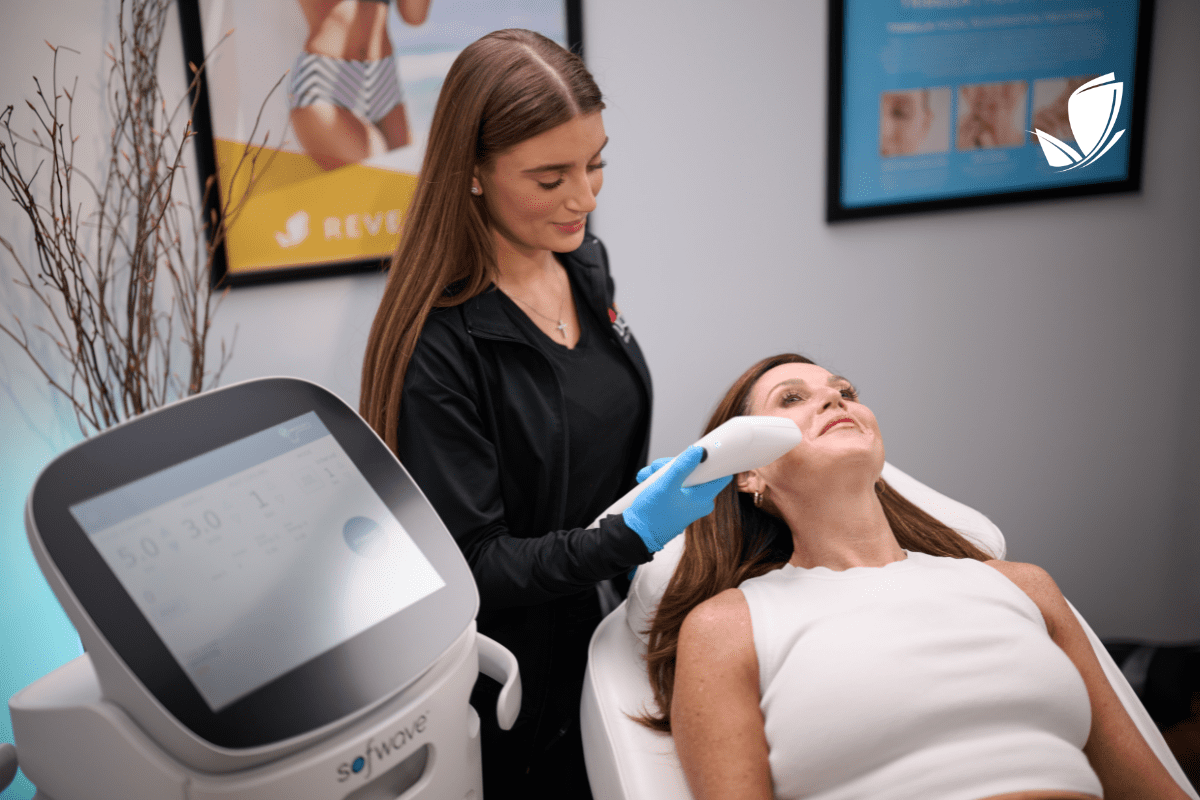
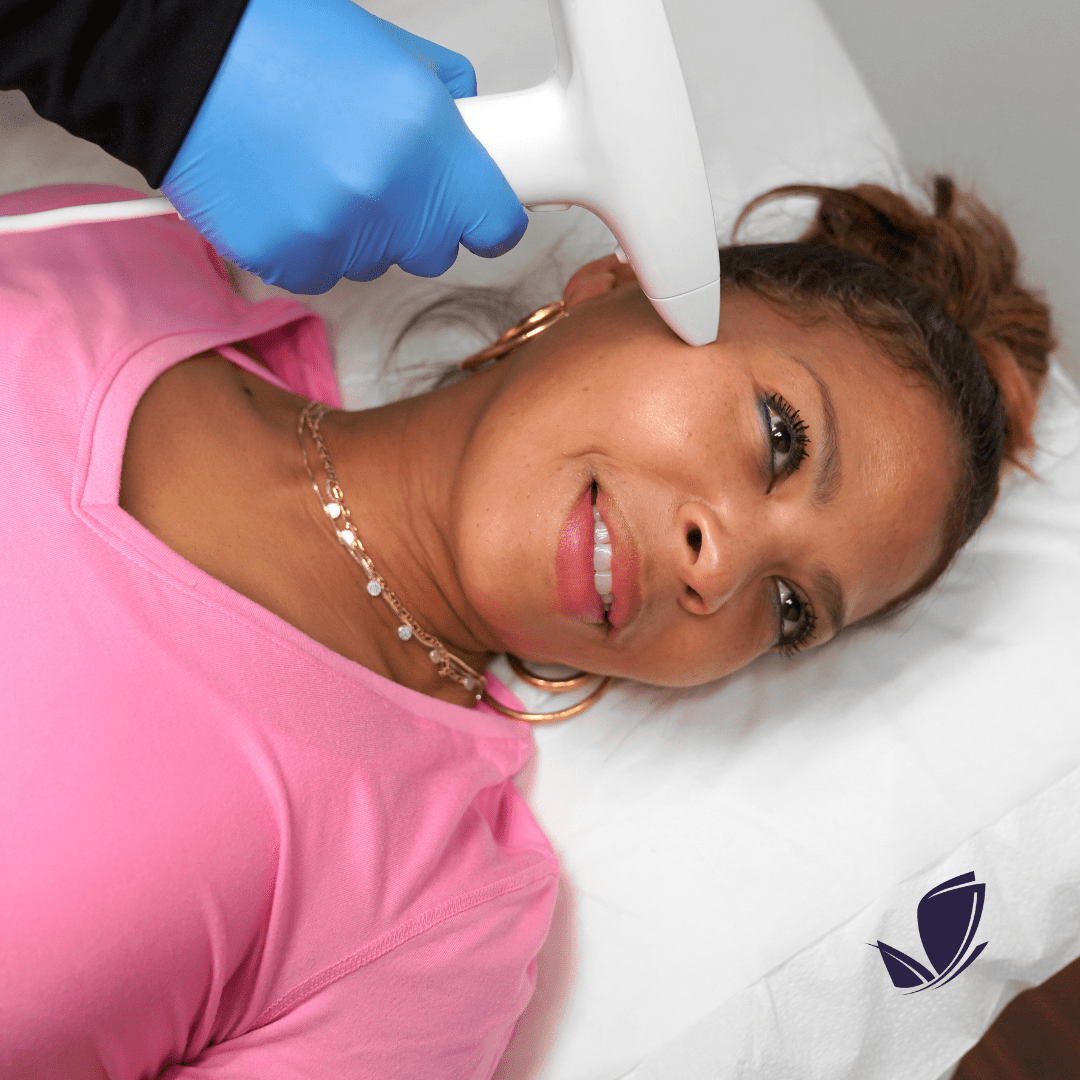
For acne scars we use the Venus Viva™. The FDA-cleared, clinically proven Venus Viva™ works to improve the overall texture of your skin through a process called skin resurfacing. Skin rejuvenation is safe for men and women and terrific for treating acne scars, fine lines, surface irregularities, sun damage, freckles, loose skin, diminished tone and texture. Venus Viva™ combines NanoFractional™ Radio Frequency (RF) and Pulsed Electro Magnetic Fields with SmartScan™ technology to safely deliver reparative heat to deeper layers of the skin without causing harm to any of the surrounding tissue. The RF tightens existing collagen fibers in the dermis while stimulating collagen production cells (fibroblast) to make new collagen for the skin.This process activates the body’s ability to naturally rebuild and regenerate collagen (Collagen Remodeling). As a result, lines, wrinkles and scars are smoothed out, while discoloration is corrected, and skin tone and texture are evened out. Additionally, the Venus Viva™ uses Tip technology. Tip is one of the largest spot sizes in the industry and delivers up to 700 pulses. Energy is scanned and flows through the groups of needle-shaped pins and penetrates deep into the tissue. This energy is distributed through small footprint per pin (160 x 38 µm2) at variable energy densities in a single tip, reducing the risk of post-inflammatory hyperpigmentation (PIH)3 and leaving sufficient intact tissue in between, for faster wound healing, uniform post-treatment tissue appearance, and low downtime. Furthermore, no return pads allow for more homogenous energy delivery, resulting in safer treatments and consistent clinical outcomes. Not only is the Venus Viva™ effective, but it is also safe and comfortable.
Other Professional Acne Scar Treatments
While laser treatments are a powerful tool for skin resurfacing, they are just one of several effective professional options for addressing acne scars. The best approach often depends on the specific type and severity of your scarring. Other treatments work in different ways to stimulate collagen, fill in depressions, or relax surrounding tissue to create a smoother appearance. From microneedling that encourages your skin’s natural healing to fillers that provide immediate volume, there is a wide range of solutions available. Exploring these alternatives with a skin care professional can help you find the perfect match for your unique skin concerns and aesthetic goals, ensuring you get the most effective results.
Microneedling
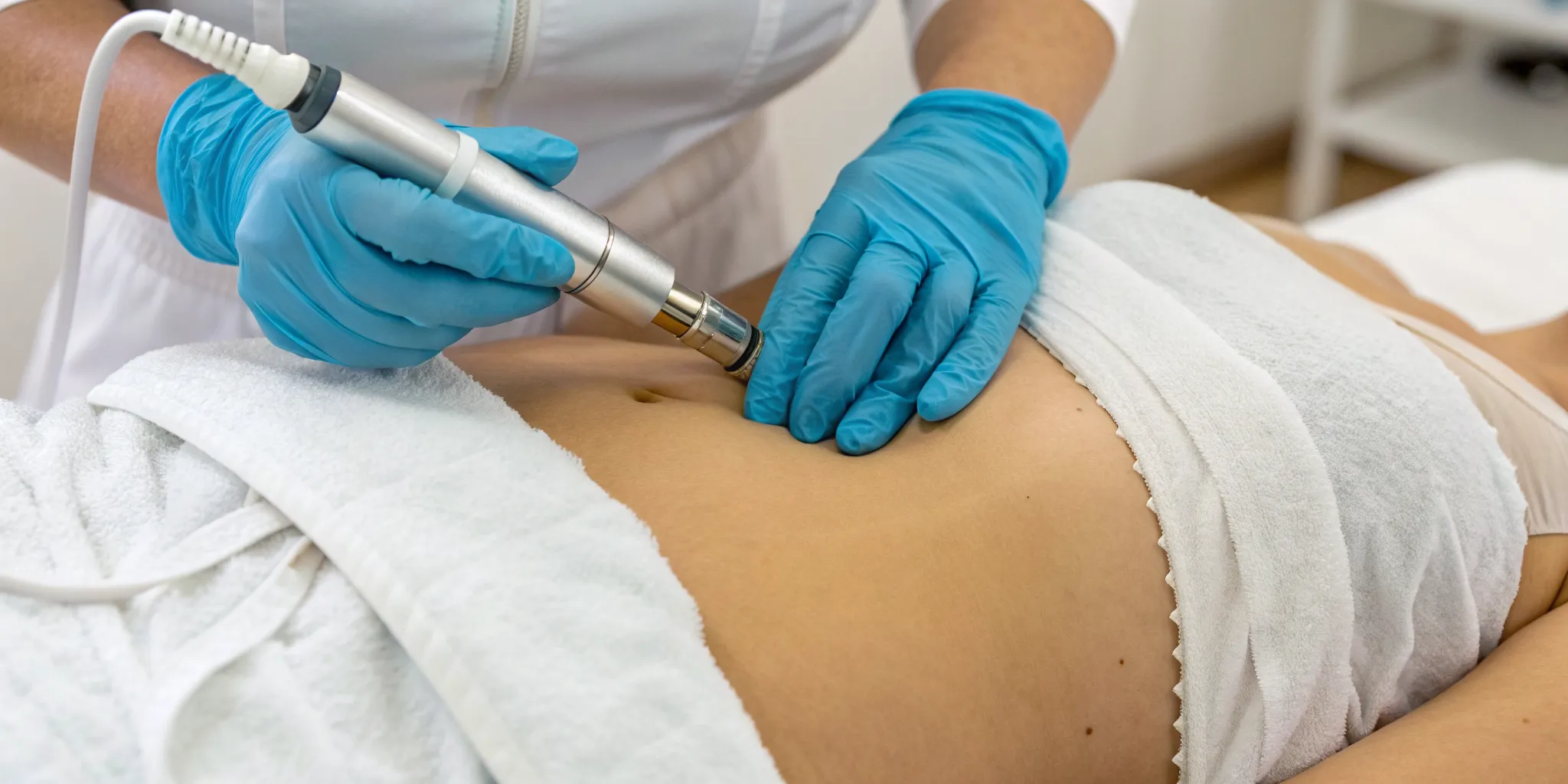
Microneedling is a popular and effective treatment that harnesses your body’s own healing power. The procedure uses tiny, sterile needles to create controlled micro-pokes in the skin’s surface. According to experts at Birmingham Cosmetic Surgery, this process “makes your body create more collagen, which helps scars heal and disappear naturally.” This rush of new collagen works to remodel the scarred area from the inside out, gradually filling in depressed scars and improving the overall texture of your skin. It’s a fantastic option for treating atrophic scars like boxcar and rolling scars, leading to a smoother and more even complexion over a series of treatments.
Chemical Peels
Chemical peels offer another path to smoother skin by accelerating cell turnover. During this treatment, a specialist applies a chemical solution to the scar tissue. As the Mayo Clinic explains, this works “to remove the top layer of skin,” which then peels off over the following days. As the old, damaged skin sheds, it reveals a fresh, new layer of skin underneath that is typically smoother and less irregular. This process helps “reduce the look of deeper scars” and can also improve discoloration left behind by acne. Peels come in various strengths, from light to deep, allowing a professional to customize the treatment intensity based on your specific needs.
Soft Tissue Fillers
For immediate improvement of indented scars, soft tissue fillers can be an excellent solution. This treatment involves injecting substances directly beneath the scar to lift the depression and make it level with the surrounding skin. These injectable substances, which can include hyaluronic acid, effectively “fill in indented scars, making them less obvious.” At LightRx, we use dermal fillers to provide instant volume and smooth out atrophic scars, offering a quick and minimally invasive way to restore a more even skin surface. While the results are temporary, they can be maintained with follow-up treatments and provide a significant confidence boost.
Botox Injections
While not a direct treatment for scar tissue itself, Botox can play a unique role in improving the appearance of certain acne scars. If the skin around a scar is puckered or tense, it can make the indentation look more pronounced. According to the Mayo Clinic, “Botox injections can relax the surrounding skin, which may make the scar look better.” By easing the tension of the underlying facial muscles, the skin lays flatter and smoother, reducing the shadows and contours that draw attention to the scar. This approach is particularly useful for scars located in dynamic areas of the face where muscle movement contributes to their appearance.
Surgical Options for Acne Scars
For certain types of deep and persistent acne scars, minor surgical procedures performed by a dermatologist can offer a permanent solution. These techniques are highly precise and are designed to physically remove or release the scar tissue that other treatments may not fully resolve. They are typically reserved for specific scar types, such as deep ice pick or boxcar scars, that are tethered to the deeper layers of the skin. While more invasive than non-surgical options, these procedures can deliver dramatic and lasting improvements for the right candidates.
Punch Excision
Punch excision is a technique best suited for deep ice pick scars or smaller boxcar scars. It’s a straightforward procedure where a doctor uses a small, circular tool to “cut out individual scars and closes the wound with stitches or a skin graft.” Think of it as a tiny cookie-cutter that precisely removes the scarred tissue. The new, smaller wound is then closed, healing into a much less noticeable, flat line instead of a deep pit. This method effectively trades a depressed scar for a small, fine-line scar that is easier to conceal and may fade significantly over time.
Subcision
Subcision is designed to treat rolling scars, which have a wavy, uneven appearance caused by fibrous bands pulling the skin down from underneath. During this procedure, a “doctor uses needles under the skin to loosen fibers that pull scars down.” By breaking up these fibrous tethers, the skin is released, allowing it to rise and create a smoother surface. This process also stimulates collagen production in the treated area, further helping to fill in the depression as the skin heals for a more even and refined texture.
At-Home Skin Care
While professional treatments are key to significantly reducing acne scars, a consistent at-home skin care routine is essential for supporting those results and protecting your skin. The single most important step you can take at home is diligent sun protection. The Mayo Clinic notes that “using sunscreen helps make scars less noticeable by preventing them from getting darker than the skin around them.” Sun exposure can cause hyperpigmentation in scar tissue, making it stand out more. A broad-spectrum SPF of 30 or higher, applied daily, will protect your healing skin and help maintain the even skin tone achieved through your treatments.
What to Expect from Your Treatment Journey
Deciding to treat your acne scars is the first step toward smoother, clearer skin. The journey itself involves several key stages, from the initial conversation with a professional to understanding the results you can realistically achieve. It’s a partnership between you and your skin care specialist, built on clear communication and a shared goal. Knowing what to expect can help you feel more confident and prepared as you move forward with your personalized treatment plan. This process ensures your safety, manages your expectations, and sets you up for the best possible outcome.
The Importance of a Professional Consultation
Your path to scar reduction should always begin with a thorough, professional consultation. This initial meeting is crucial because, as experts note, “every treatment starts with a detailed skin consultation to make sure the plan fits each person’s needs.” During this session, a trained technician will analyze your skin, identify your specific scar types, and discuss your goals. At LightRx, we offer a free personal consultation to create a customized treatment plan tailored just for you. This is your opportunity to ask questions and understand which treatments, like our advanced skin rejuvenation therapies, will be most effective for your skin.
Setting Realistic Outcomes
It’s important to have a clear and realistic understanding of what acne scar treatments can achieve. The goal is significant improvement, not perfection. As the Mayo Clinic advises, “the best treatment depends on your specific type of scar, your skin type, and how severe your scars are.” Some scars may respond quickly, while others may require multiple sessions or a combination of different treatments to see optimal results. Your provider will help you set achievable goals, explaining the likely outcome and the timeline for seeing changes. Patience is key, as collagen remodeling and skin healing take time.
Understanding Treatment Costs
The financial investment for acne scar treatment can vary widely. The final price tag is influenced by several factors, and as one dermatology clinic points out, “the final cost depends on the area being treated, how many sessions you need, and the specific type of treatment chosen.” A laser treatment will have a different cost than a series of chemical peels or filler injections. During your consultation, you should receive a detailed breakdown of the anticipated costs. To make treatments more accessible, many clinics offer payment plans or memberships that can help you manage the expense over time.
Why You Should Treat Active Acne First
Before beginning any scar revision therapy, it is essential to get active acne under control. Attempting to treat scars while new blemishes are still forming is counterproductive and can lead to new scars, undermining your progress. As dermatologists emphasize, “the best way to stop acne scars from forming is to treat acne well and early.” By focusing on a clear skin care regimen and treatments to prevent breakouts first, you create a stable foundation. Once your acne is managed, you and your provider can then effectively focus on repairing the lingering damage and restoring your skin’s smooth texture.
FAQ
How Many Sessions do I Need?
The number of sessions you need will depend on your treatment plan. It can range anywhere from three to eight sessions typically and you may need more. The more serious your skin afflictions the more sessions you will need to correct them. The type of scarring can also be a factor when determining the number of sessions.
What is The Typical Downtime?
Since there is no surgery involved with the treatment there is very little to worry about in terms of downtime. You can leave our medspa and go back to your daily routine. However, following the treatment there may be some swelling and redness of the face. You will also want to avoid any oil-based makeup for eight to twelve weeks following the treatment. You will also want to be extra careful about applying sunblock and exposing your skin to the sun. As far as activities and doing things such as driving and working, there is no downtime.
Book a Free Consultation
If you would like to know more about pricing, treatment length, and if acne scar removal is right for you you can book a free consultation online or by calling (877) 721-4547. The number of treatments will be determined during your free consultation and will depend on your desired result for your skin and the area being targeted.
Key Takeaways
- Know Your Scar Type for the Right Treatment: Understanding whether your scars are indented (like boxcar or rolling scars), raised, or simply pigmented is the first step, as this determines which professional treatment will deliver the best results.
- Focus on Prevention, but Don’t Lose Hope with Existing Scars: While treating acne early and avoiding picking are key to preventing new scars, powerful options like laser therapy and microneedling are available to significantly repair existing texture and restore smoother skin.
- Always Start with a Professional Consultation: A personalized plan is essential for success. A consultation helps you set realistic expectations, understand costs, and ensure any active acne is managed first, creating the best foundation for your scar treatment.
Related Articles
- Dermapen | St Louis, MO | LightRx Face & Body
- MedSpa | Birmingham, MI | LightRx Face & Body