
Stretch Marks Treatment: What Actually Works?
Let’s be honest: the internet is filled with myths about getting rid of stretch marks. From cocoa butter to coffee scrubs, we’re told that a simple home remedy is all it takes. But if you’re reading this, you probably know it’s not that simple. Stretch marks are a type of scar, and treating them requires more than surface-level care. They form deep within the skin when collagen and elastin fibers break. This guide provides a straightforward look at the science behind these lines and why so many popular “cures” fall short. We’ll focus on what truly works, moving beyond temporary fixes to explore professional stretch marks treatment options that deliver real, lasting improvement.
What are Stretch Marks?
Stretch marks are a type of scar that is caused by a rapid stretching or shrinking of the skin. The abrupt change in the skin causes a reaction with the collagen and elastin. The collagen is a skin fiber responsible for keeping the skintight. The elastin is what allows our skin to stretch and tighten with movement. If there is a rapid change in the skin the collagen and elation can rupture. As the skin heals it creates the scarring and the stretch marks appear. Not everyone will develop stretch marks if their size is in flux. Fluctuating hormones make it more likely to occur. You are also more likely to develop stretch marks if you have a genetic predisposition. If you develop stretch marks you are most likely to develop them during a pregnancy, rapid weight gain or loss, growth during puberty, or rapid muscle increase due to exercising. Another way to develop stretch marks is through the long-term use of corticosteroids. Also, illnesses such as Cushing’s or Marfan syndrome can cause stretch marks. Stretch marks ten to be red, purple, pick, rust colored, or a darker brown, depending on your skin color and melanin. Early on stretch marks can be raised and itchy. Over time the color will fade, and the skin will be depressed where the bands are.
How Stretch Marks Form
Think of your skin like a piece of fabric. It has a certain amount of give, thanks to fibers called collagen and elastin. But when it’s stretched too far, too fast—like during a growth spurt or pregnancy—those fibers can snap. The American Academy of Dermatology explains that “stretch marks are a type of scar that forms when your skin stretches or shrinks quickly,” causing these crucial support structures to break. As your skin goes into repair mode to heal these tiny tears, the visible lines we know as stretch marks are left behind. This is why it’s so important to address them when they first appear. According to the Mayo Clinic, you’ll see the best results when treating fresh stretch marks, as older, deeper ones are tougher to treat. This healing process is a key focus of many skin rejuvenation treatments.
Are Stretch Marks Permanent?
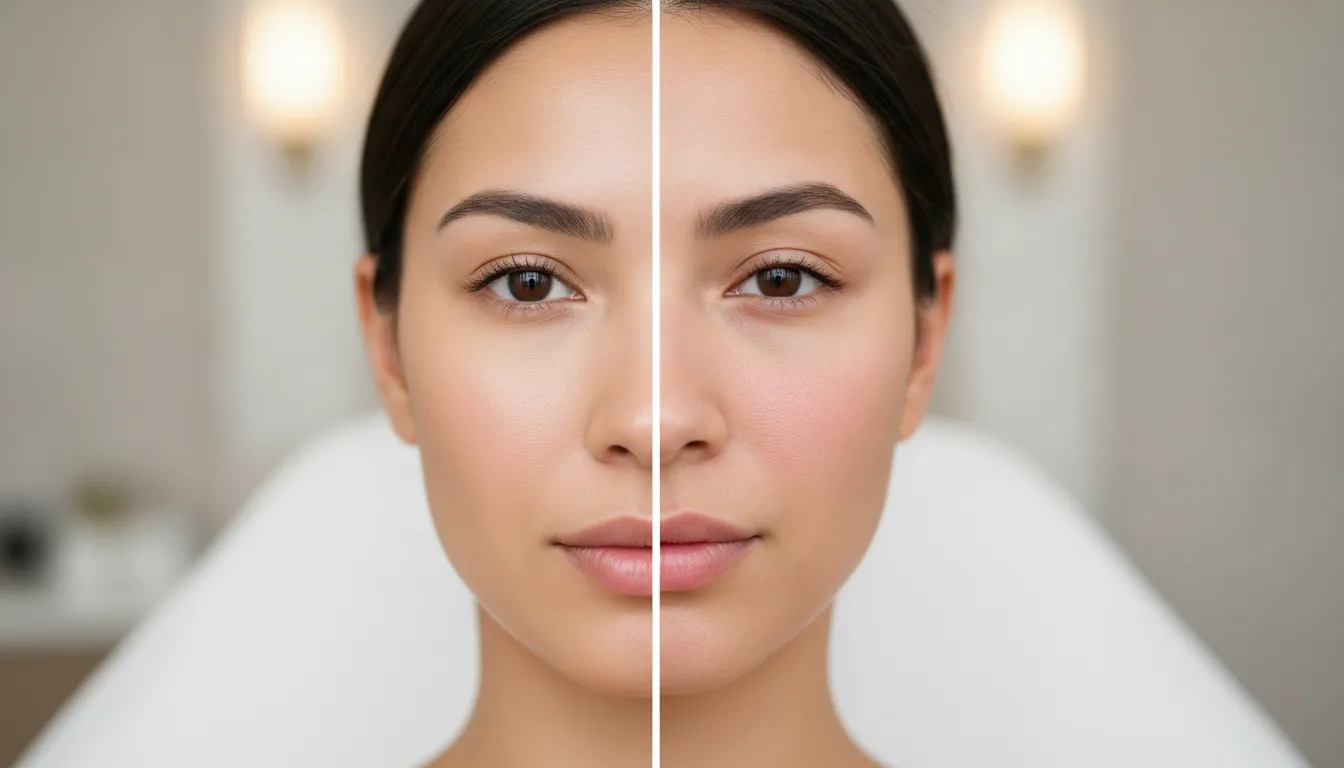
Let’s get straight to the point: are stretch marks permanent? The short answer is yes. According to the American Academy of Dermatology, stretch marks are a type of permanent scar. But before you get discouraged, it’s important to understand what “permanent” really means in this context. It doesn’t mean you have to live with their prominent appearance forever. While they may not disappear completely, their visibility can be dramatically reduced. Think of it less as erasing them and more as helping them blend seamlessly into the surrounding skin. With the right approach and professional treatments, you can make them significantly less noticeable, restoring a smoother, more even skin tone.
How They Change Over Time
Stretch marks have a life cycle, and their appearance evolves. When they first show up, they can be red, purple, pink, or brown, depending on your skin tone. The American Academy of Dermatology notes that these new marks might feel slightly raised and can even be itchy. This is the initial healing phase. Over the next six to twelve months, a natural fading process begins. The vibrant color starts to soften, and the bands may sink a little, creating a slight depression in the skin. Eventually, they settle into a less conspicuous silvery or white hue. While your body does this on its own, certain skin rejuvenation treatments can help accelerate this process and improve the final texture.
The Emotional Impact of Stretch Marks
Let’s be honest, the impact of stretch marks often goes more than skin deep. While they are physically harmless, the Cleveland Clinic points out that they can cause very real feelings of stress and anxiety about our appearance. It’s completely normal to feel self-conscious or for your body image to take a hit. These lines can tell a story of growth, pregnancy, or fitness achievements, but that doesn’t mean you have to love how they look. Feeling good in your skin is a huge part of overall confidence. Acknowledging that stretch marks affect your self-esteem is the first step in deciding what, if anything, you want to do about them. Your feelings are valid, and choosing to treat them is a personal choice for your own well-being.
Can you prevent stretch marks?
A lot of preventative remedies are not proven to work or have been proven clinically to not work. Research has shown that almond oil, cocoa butter, olive oil, and vitamin E did nothing to prevent stretch marks. However, there are some remedies that have shown promise in terms of preventing stretch marks. Products containing centella or hyaluronic acid could work towards preventing stretch marks. Centella is a natural herb and hyaluronic acid is naturally occurring in the skin.
Maintain a Stable Weight
One of the most effective ways to manage the risk of stretch marks is to maintain a stable weight. Think of your skin’s collagen and elastin as tiny support structures; when your body grows or shrinks too quickly, these structures can break under the sudden stress, leading to scars. It’s the rapid fluctuation that often causes the most trouble. Gradual changes give your skin more time to adapt. Of course, life happens—pregnancy, growth spurts, and fitness journeys are all normal parts of life. Focusing on slow, steady progress in any weight management plan can make a huge difference in preserving your skin’s integrity and preventing these marks from forming in the first place.
Stay Hydrated and Eat a Skin-Healthy Diet
What you put into your body directly impacts your skin’s health and resilience. Staying well-hydrated is crucial because water helps keep your skin soft and elastic, making it less prone to tearing when stretched. If you’re a coffee or tea drinker, remember that caffeine can be dehydrating, so you might need to drink a little extra water. Additionally, you can eat foods that support skin health from the inside out. Focus on incorporating nutrients like zinc, found in nuts and fish; vitamins A, C, and D from sources like carrots, citrus fruits, and milk; and protein from lentils and beans. A balanced diet gives your skin the building blocks it needs to stay strong and supple.
Home remedies
Most home remedies have been proven to be ineffective. Those that have not been proven ineffective simply have not been studied. Research has shown that almond oil, cocoa butter, olive oil, and vitamin E did nothing to remove stretch marks. Tanning also does nothing to remove stretch marks. Moreover, since scar tissue does not tan tanning could make the stretch marks more prominent. Applying self-tanner will not get rid of stretch marks either but could camouflage them for a time.
Topical solutions
There are a plethora of different creams, lotions, and gels that purport to help with stretch marks. Some are more effective than others. To find what works best for you make sure to consider these tips. First, start using the product early on. Applying a topical solution to a mature stretch mark will have very little effect.
Prescription Medicine
As far as medicinal treatments go there are only two real options. The first is Hyaluronic acid. This chemical has been proven in trials to reduce stretch marks in some people. The other is Tretinoin which is a retinoid. In a study many people who applied this cream to early forming stretch marks had less noticeable stretch marks compared to those who did not after a 24-week period.
Important Safety Warning for Retinoids
While retinoids like Tretinoin are often recommended for new stretch marks because they help with collagen production, it’s important to understand the safety considerations before you start. A common side effect is skin irritation, which can mean redness, peeling, or dryness, especially when you first begin using the product. The most critical warning, however, is for anyone pregnant or nursing; you must consult with a healthcare provider before using retinoid creams due to potential risks. It’s also worth noting that these treatments are most effective on stretch marks that are only a few months old and don’t work well on mature ones. For all these reasons, it’s always a smart move to discuss any new treatment with a professional to ensure it’s the right and safe choice for your skin.
Professional Medical Treatments for Stretch Marks
When topical solutions don’t deliver the results you’re hoping for, it might be time to consider professional medical treatments. These procedures go beyond the surface, targeting the underlying structure of your skin to promote healing and collagen production from within. Unlike creams and lotions, which often have a minimal effect on mature stretch marks, professional treatments are designed to create significant, visible changes in the texture and color of your skin. A trained medical aesthetician can use advanced technologies to stimulate your body’s natural regenerative processes, helping to rebuild the damaged collagen and elastin fibers that cause stretch marks. This approach offers a more effective path to smoother, more even-toned skin by addressing the issue at its source.
Laser Therapy
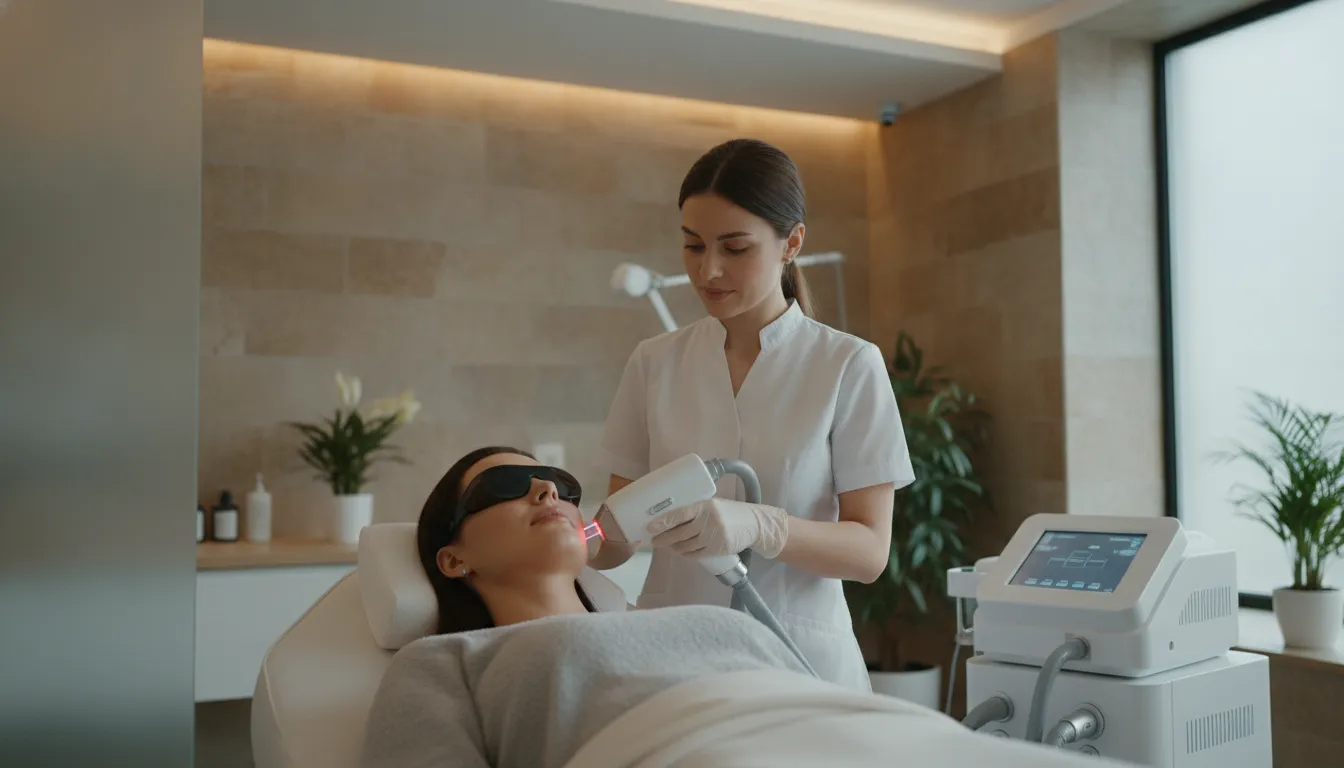
Laser therapy is one of the most effective ways to reduce the appearance of stretch marks. This treatment uses focused beams of light to target the affected skin, encouraging the growth of new collagen and elastin. By creating a controlled thermal effect in the dermis, the laser essentially signals your skin to begin its natural healing process, which helps to smooth out the texture and fade the discoloration of stretch marks. Different types of lasers can be used depending on whether your stretch marks are new (red or purple) or old (white or silver). A consultation with a specialist is key to determine which laser is right for your skin type and goals, ensuring a safe and effective treatment.
Microneedling
Microneedling, also known as collagen induction therapy, is another powerful tool for treating stretch marks. The procedure involves using a device with fine, tiny needles to create thousands of micro-punctures in the skin’s surface. These controlled injuries trigger your body’s natural wound-healing response, which dramatically increases the production of new collagen and elastin. As the skin heals, it becomes thicker, smoother, and firmer, reducing the depth and visibility of the stretch marks. According to the Mayo Clinic, microneedling is often a preferred first choice for people with darker skin tones because it carries a lower risk of causing pigmentation changes compared to some laser therapies.
Microdermabrasion and Chemical Peels
Microdermabrasion and chemical peels are exfoliating treatments that work by removing the outermost layer of dead skin cells. In microdermabrasion, a specialist uses a minimally abrasive instrument to gently sand your skin, while a chemical peel uses a solution to dissolve the top layer. Both methods reveal the newer, more evenly toned skin underneath and can stimulate some collagen production. While these treatments can make stretch marks less noticeable, especially when they are new, the American Academy of Dermatology notes that they typically cannot remove them completely. They are often best used as part of a combination therapy plan for more comprehensive results.
Radiofrequency Therapy
Radiofrequency (RF) therapy uses energy waves to gently heat the deeper layers of your skin without damaging the surface. This heat stimulates the production of new collagen, which helps to firm and thicken the skin over time. As the collagen network is rebuilt, the skin becomes tighter and the appearance of stretch marks is softened. RF is often combined with microneedling to enhance results, as the combination allows the energy to penetrate more deeply and effectively. This approach is particularly useful for improving the texture of older, white stretch marks and is a core technology used in many professional skin tightening treatments.
What to Expect from Professional Treatments
Deciding to pursue professional treatment for stretch marks is a big step, and it’s important to have realistic expectations about the process and the results. These treatments are not a one-time magic fix; they are a journey that requires patience and commitment. The effectiveness of any procedure depends on several factors, including the age and severity of your stretch marks, your skin type, and your body’s unique healing capabilities. Understanding the timeline, the necessity of multiple sessions, and the potential for combination therapy will help you prepare for the process and feel more confident in your decision to invest in your skin.
Treating New vs. Old Stretch Marks
Timing is a critical factor when it comes to treating stretch marks. You’ll achieve the best results when you treat them while they are still new—typically when they appear red, purple, or dark brown. At this stage, the blood vessels present in the marks make them more responsive to treatments like laser therapy. As stretch marks mature, they fade to a white or silvery color, lose their blood supply, and become more set in the skin. According to the Cleveland Clinic, these older marks are more challenging to treat. While professional treatments can still improve their texture and make them less noticeable, the overall improvement may be less dramatic than with newer marks.
Why Multiple Sessions Are Necessary
Improving the appearance of stretch marks is a gradual process because you are essentially rebuilding the skin from the inside out. Professional treatments work by stimulating your body’s collagen production, and this biological process takes time. A single session can kickstart the process, but it won’t be enough to achieve a significant change. The American Academy of Dermatology confirms that multiple treatments, typically spaced several weeks apart over a few months, are necessary to see noticeable, lasting improvement. This allows your skin the time it needs to heal and generate new, healthy tissue between appointments, leading to a cumulative effect.
The Benefits of Combination Therapy
For the most effective results, your treatment provider may recommend a combination of different procedures. Every person’s skin and stretch marks are unique, and a multi-faceted approach can address different aspects of the scarring simultaneously. For example, your plan might involve alternating between microneedling to rebuild collagen and a chemical peel to improve surface texture and discoloration. Combining therapies allows your provider to create a highly customized plan that targets your specific concerns. This strategy often leads to better and faster results than relying on a single treatment method alone, giving you a more comprehensive solution.
Potential Side Effects
Fortunately, the side effects associated with most professional stretch mark treatments are typically mild and temporary. The most common reactions include redness, minor swelling, and a sensation similar to a sunburn in the treated area. These effects usually subside within a few hours to a couple of days after the procedure. It’s important to follow all post-treatment care instructions provided by your specialist, such as avoiding direct sun exposure and using recommended skincare products, to ensure proper healing and minimize any risks. A qualified professional will discuss all potential side effects with you before beginning treatment so you know exactly what to expect.
When to See a Professional
If you’ve tried over-the-counter products without success or feel self-conscious about your stretch marks, it may be time to see a professional. A consultation with a trained medical aesthetician or dermatologist is the best way to explore effective, clinically proven options that are tailored to your specific needs. These experts have access to advanced technologies and treatments that aren’t available for at-home use and can provide a level of care and expertise that ensures both safety and results. Taking that step allows you to move from guessing what might work to creating a definitive plan of action with a trusted partner.
Getting a Personalized Treatment Plan
There is no one-size-fits-all solution for stretch marks. The best treatment for you depends on your skin type, your overall health, and the age and severity of your stretch marks. This is why a professional consultation is so important. During this meeting, a specialist can assess your skin and discuss your aesthetic goals to develop a personalized treatment plan. At LightRx, we offer a free consultation to help you understand your options and design a strategy that aligns with your expectations and budget. This personalized approach ensures you receive the most effective services for your unique situation, setting you on the right path from the very beginning.
Understanding the Cost of Treatment
The cost of professional stretch mark treatments can vary widely depending on the type of procedure, the size of the area being treated, and the number of sessions required. While it is an investment, many people find the boost in confidence and comfort in their own skin to be well worth it. During your consultation, be sure to ask for a detailed breakdown of the expected costs so you can plan accordingly. Some clinics may offer package deals for multiple sessions or financing options to make the treatments more affordable and accessible for your budget.
Are Stretch Mark Treatments Covered by Insurance?
It’s important to know that treatments for stretch marks are considered cosmetic procedures, which means they are almost never covered by health insurance. Because stretch marks do not pose any medical risk, their removal is seen as an elective treatment aimed at improving appearance rather than health. You should plan for the cost to be an out-of-pocket expense. To make these transformative treatments more manageable, many medspas offer flexible payment options. For example, our LightRx membership program provides a convenient way to budget for your aesthetic goals, allowing you to invest in yourself with a predictable monthly plan.
Skin Tightening Treatment at LightRx
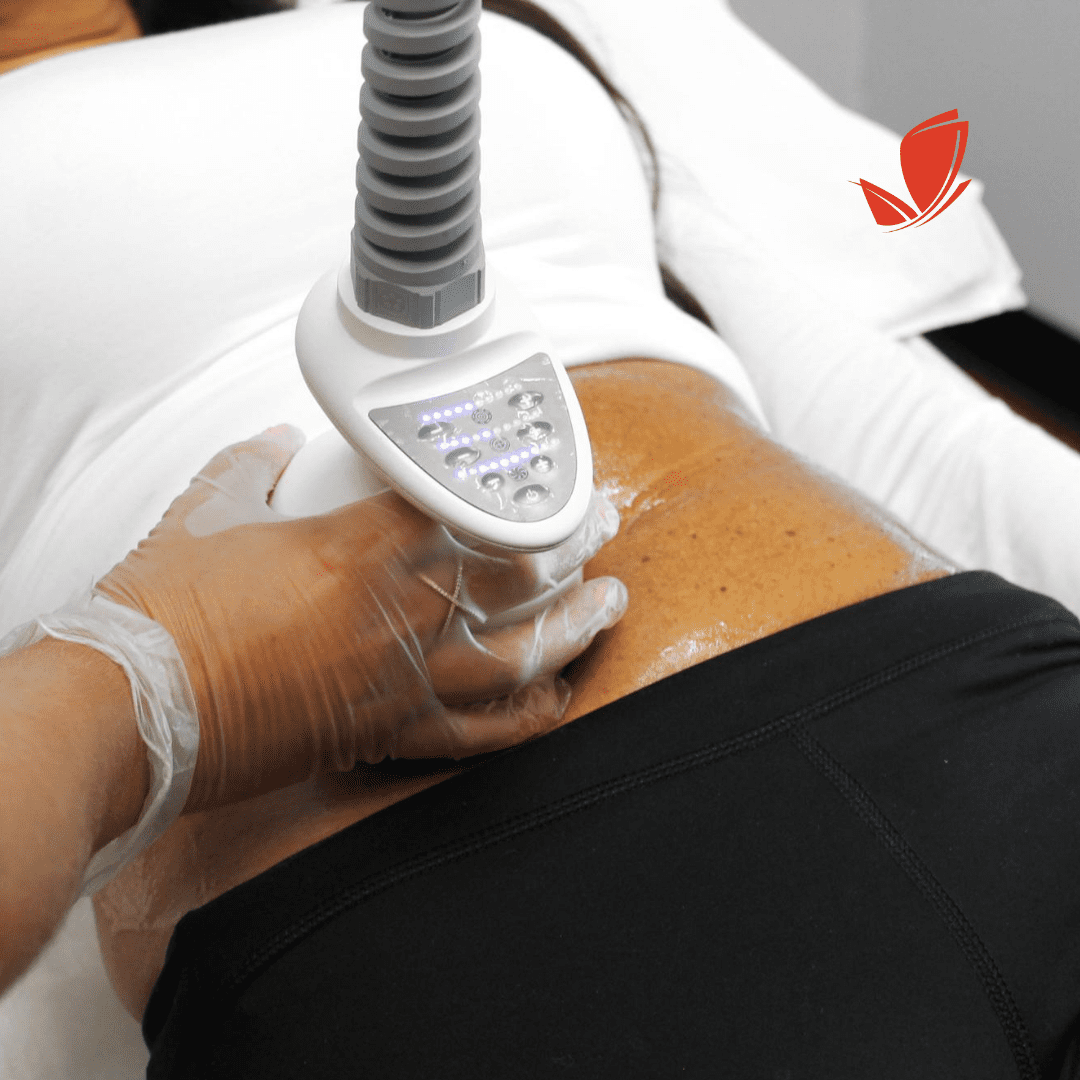
Skin tightening treatments at LightRx can help to prevent or remedy stretch marks. If you have loose skin and are worried about developing stretch marks, then our skin tightening treatments can help. Typically, laser skin tightening is done with a combination of low-level lasers, radio frequencies, and magnetic pulses. The low-level lasers, radio frequencies, and magnetic pulses cause a thermal reaction in the tissue, causing the body’s natural healing process to respond and tighten the skin. The body does this by forming new collagen which then contracts and tightens the skin. This new collagen that works to tighten the skin will help to prevent scarring from ruptured or poorly formed collagen fibers. The Venus Legacy™ is a powerful piece of technology. It also has the capability to help to dissipate existing stretch marks and make them seem lighter and less noticeable. Much in the same way that we tighten the skin, we use lasers, radio frequencies and magnetic pulses to break up the collagen and melanin in the scar tissue and create new healthy collagen. If you are interested in learning more about our treatments and want to know more, call us at 877-721-4547 and schedule a free consultation online. These consultations take as little as 30 minutes and are private one on one consultations with the clinic director.
Frequently Asked Questions
Why don’t store-bought stretch mark creams seem to work? Most creams and lotions only moisturize the top layer of your skin. While this can make your skin feel softer, it doesn’t address the root cause of stretch marks, which is torn collagen deep within the dermis. Professional treatments, on the other hand, use advanced technology to penetrate these deeper layers and stimulate your body’s natural healing process to actually rebuild that damaged collagen.
Will professional treatments make my stretch marks disappear completely? It’s helpful to think of treatment as a way to significantly fade stretch marks rather than erase them entirely. Since stretch marks are a type of scar, the goal is to rebuild the skin’s support structure from within. This process helps smooth their texture and reduce discoloration, making them blend seamlessly with the surrounding skin and become much less noticeable.
Are professional stretch mark treatments painful? Most people find these treatments very manageable. You might feel a warm or prickling sensation during the procedure, often described as being similar to a light sunburn. Your comfort is always a priority, and your treatment provider will ensure you know exactly what to expect. Any minor redness or sensitivity afterward typically fades within a day or two.
Is it too late to treat my old, white stretch marks? Not at all. While it’s true that newer, redder stretch marks respond more quickly to treatment, there are excellent options for older, silvery ones. Procedures like microneedling and radiofrequency therapy are specifically designed to improve skin texture by stimulating new collagen growth. This can effectively soften the appearance of mature stretch marks, so it’s definitely worth exploring your options.
How do I know which treatment is the right one for me? There isn’t a single “best” treatment for everyone, as the ideal approach depends on your skin type, the age of your stretch marks, and your personal goals. The most effective way to find out what will work for you is to have a one-on-one consultation. A specialist can assess your skin and create a personalized plan that directly addresses your unique needs.
Key Takeaways
- Understand that stretch marks are deep scars: Most topical creams have little effect because the issue lies far beneath the skin’s surface. True improvement comes from rebuilding the broken collagen and elastin fibers from within.
- Explore professional treatments for real change: Technologies like laser therapy, microneedling, and radiofrequency are designed to stimulate your body’s natural healing processes, offering a more effective path to smoother skin than at-home remedies.
- Prioritize a professional consultation for a tailored plan: A one-size-fits-all approach doesn’t work. An expert can assess your skin and the age of your marks to create a personalized strategy that ensures safe and effective results.