
How to Get Rid of Sunspots in Birmingham, MI: A Guide
You look in the mirror one morning and there it is—a new, unwelcome brown spot staring back at you. You’ve been diligent with sunscreen, for the most part, but years of sun exposure can catch up with anyone. These spots, also known as solar lentigines, are a common sign of sun damage. While they’re usually harmless, they can make you feel self-conscious about your skin’s clarity and evenness. The internet is full of advice, but figuring out what truly works can be exhausting. If you’re searching for answers on how to get rid of sunspots birmingham mi, you’re not alone. This guide will walk you through the effective options, from powerful ingredients to professional treatments that deliver real, lasting results.
What are sunspots on your face?
Sunspots, also known as liver spots or solar lentigines affect many people. Anyone can develop sunspots, but they are most common in people with lighter skin and over 40. They are flat brown spots that develop on the skin. Over time the sun and the UV rays that it radiates cause the pigmented skin cells to multiply. If they become localized, then they can create a “spot” on the skin. These spots can come in all different shapes and sizes. Typically, they occur on the parts of the skin that are more commonly exposed. The hands, face, shoulders, and forearms are the major hot spots. Sunspots are harmless and noncancerous, but often people do not like the way the sunspots make them look. There are treatment options available to reduce the noticeability of sunspots, although they cannot be entirely removed.
What Causes Dark Spots Besides Sun Exposure?
While the sun is the number one cause of dark spots, it’s definitely not the only one. If you’re diligent with your SPF but still see new spots appearing, one of these other factors could be at play. Understanding the root cause is the first step in figuring out how to treat them effectively. From hormonal shifts to the way your skin heals, several things can trigger your pigment-producing cells to work overtime. Let’s look at some of the most common culprits behind hyperpigmentation that have nothing to do with catching too many rays.
Hormonal Changes
Have you ever heard of the “mask of pregnancy?” That’s a common term for melasma, a type of hyperpigmentation that causes brown or grayish patches on the skin, often triggered by hormonal fluctuations during pregnancy. But it’s not just pregnancy; other hormonal shifts, like those from starting or stopping birth control pills, can also send your melanin production into overdrive. These changes can be frustrating because they feel out of your control, but identifying hormones as the cause is key to finding a treatment that works with your body, not against it.
Skin Injuries and Inflammation
If you’ve ever had a pesky pimple leave a dark mark long after it healed, you’ve experienced post-inflammatory hyperpigmentation (PIH). This type of discoloration is the skin’s response to injury or inflammation. Whether it’s from acne, a bug bite, a cut, or even a reaction to a harsh skin care product, the healing process can sometimes trigger an overproduction of melanin, leaving a stubborn spot behind. People with deeper skin tones are often more susceptible to PIH, and the resulting marks can sometimes be more bothersome than the original blemish.
Medications and Genetics
Sometimes, dark spots can be an unexpected side effect of certain medications, including some antibiotics or anti-inflammatory drugs, which can make your skin more sensitive to light or directly affect pigmentation. And then there’s genetics. For some of us, a predisposition to hyperpigmentation is simply written into our DNA. Think of freckles—they’re a type of inherited hyperpigmentation. While you can’t change your genes, knowing you’re prone to discoloration can help you take proactive steps to protect your skin and manage any spots that appear.
The Importance of a Medical Diagnosis First
Before you start buying every brightening serum on the market, it’s essential to press pause and seek a professional opinion. Self-diagnosing a dark spot can be risky because what looks like a simple sunspot could be something else entirely. Getting a correct diagnosis from a qualified professional is the most critical step you can take. It not only ensures your safety but also sets you on the fastest path to the right treatment, saving you time, money, and frustration on solutions that aren’t suited for your specific type of discoloration.
Ruling Out Serious Conditions
Your health and safety are the top priority. While most dark spots are harmless, any new, changing, or unusual spot on your skin should be examined by a medical professional. This is crucial to rule out more serious conditions like skin cancer. A trained eye can distinguish between a benign solar lentigo and something that requires medical attention. Getting that peace of mind is invaluable and ensures you can proceed with cosmetic treatments confidently, knowing your skin is healthy.
Identifying the Type of Discoloration
Not all dark spots are created equal. A spot caused by sun damage requires a different treatment approach than a patch of hormonal melasma or a mark from post-inflammatory hyperpigmentation. A board-certified dermatologist or a highly trained medical spa technician can accurately identify the type of discoloration you have. This diagnosis is the foundation for an effective treatment plan. Here at LightRx, our free consultations are designed to do just that—assess your skin, understand the cause of your concerns, and recommend a personalized skin rejuvenation strategy that will deliver the best results for you.
Can you prevent sun damage?
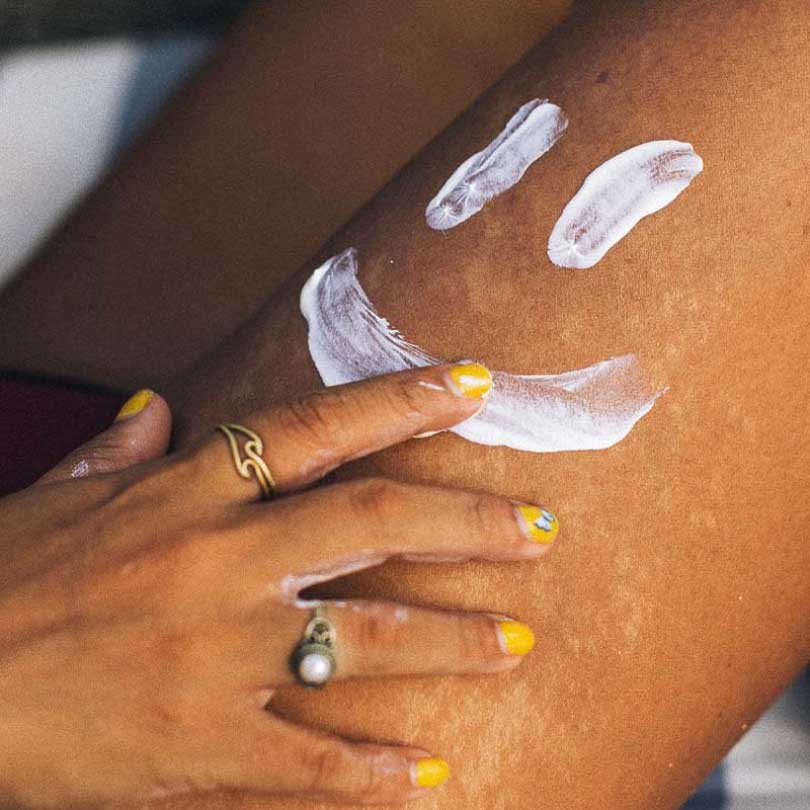
Since sunspots and sun damage is caused by harmful UV rays the best way to prevent sun damage is to avoid going out in the sun. Since that is not really feasible, there are some simple steps you can take to help reduce the amount of damage the sun does to your skin. If possible, avoid sun exposure during peak hours, from 10 a.m. to 3 p.m. Also, when outdoors apply sunscreen every two hours. If you wear makeup, choose makeup with sunscreen or UV protection. Finally, cover your skin with clothing and hats to help avoid unnecessary exposure. ### Use a Broad-Spectrum Sunscreen Correctly Think of sunscreen as your non-negotiable first line of defense against sun damage. The most effective way to prevent sunspots is to stop them before they start. You should use a broad-spectrum sunscreen with an SPF of at least 30 every single day. Apply it generously about 15 to 30 minutes before you head outside to give it time to absorb properly. The biggest mistake most of us make is forgetting to reapply. Set a reminder to reapply every two hours, and even more frequently if you’ve been swimming or sweating. Making this a consistent habit is the single best thing you can do to protect your skin’s health and appearance long-term. ### Wear Sun-Protective Clothing Sunscreen is essential, but physical barriers provide another powerful layer of protection. Covering up with clothing is a simple and highly effective strategy. Opt for a wide-brimmed hat to shield your face, neck, and ears from direct sunlight. Lightweight, long-sleeved shirts and pants can also make a huge difference, especially during peak sun hours. For even more security, look for clothing with a built-in Ultraviolet Protection Factor (UPF) rating, which acts like SPF for fabric. While preventing future damage is key, if you’re already concerned about existing sunspots, treatments like skin rejuvenation can help address the discoloration and improve your skin’s texture.
What can get rid of damage on your skin?
There are several ways to reduce the appearance of sun damage on the skin. These range from home remedies to professional help. Some treatments work better than others, and not every treatment will work for everyone. These are some of the ways which can help you to reduce sun damage.
Home Remedies
There are several home remedies that may or may not help with sunspots. All the preventative measures listed above will help with preventing the worsening of current sunspots or the development of new ones. A good sleep schedule also helps with skin health. The nighttime is when your body does most of its repair. Eating well also helps to reduce the generation of new sunspots. Lots of vitamin C and healthy oils can help skin health. Cutting out booze, fatty meats, and sugary foods will also help. Finally, exercising helps skin health, and the earlier you start the better, although it is never too late. Many studies have shown that exercising has helped with skin health and condition.
A Word of Caution on DIY Remedies
While the internet is full of DIY solutions and drugstore shelves are lined with “miracle” creams, it’s wise to approach them with a healthy dose of skepticism. Many over-the-counter products only treat the surface of the skin, which means they may slightly lighten a sunspot but can’t remove it completely. The root of the discoloration often lies in deeper skin layers, which these creams can’t reach. This can lead to a frustrating cycle of trying different products that cost a lot of time and money without delivering the results you want.
More importantly, self-diagnosing a spot on your skin can be risky. What might look like a simple sunspot could potentially be another skin condition or even skin cancer, which is why getting a professional opinion is so crucial. Before starting any treatment, having an expert assess your skin ensures you’re addressing the right issue safely. A consultation can help you understand the nature of your skin damage and create a personalized treatment plan with clinically proven technologies, like skin rejuvenation, that are designed for effective, long-lasting results.
Topical solutions
There are plenty of options when it comes to topical solutions. One is aloe vera. Some studies have proven that the aloesin and aloin in the aloe vera plants can help lighten sunspots and other hyperpigmentation. As for over-the-counter creams, anything that contains glycolic acid, hydroxy acid, kojic acid, hydroquinone, or deoxyarbutin could be helpful. The only way to find what works best for you is to try out creams. Make sure to apply them daily and to do so for a few weeks before expecting results.
Key Ingredients to Look For
Walking down the skincare aisle can feel overwhelming, but knowing which ingredients to look for makes it much easier. For fading sunspots and evening out your skin tone, certain ingredients are proven to work. Retinoids, like retinol, are fantastic because they encourage your skin to shed old, discolored cells and generate new ones. Vitamin C is another powerhouse; it’s a strong antioxidant that not only brightens your skin but also helps prevent new dark spots from forming. You might also see ingredients like niacinamide, which is great for sensitive skin, and various acids like glycolic, lactic, and kojic acid. These work to gently exfoliate the skin’s surface, revealing a brighter, more even complexion underneath. Reading the label is the first step toward effective skin rejuvenation.
Prescription-Strength Options
When over-the-counter products don’t provide the results you want, it might be time to consider professional treatments. These options are more potent and can create more significant changes in your skin’s appearance. A medical spa professional can recommend prescription-strength creams containing ingredients like tretinoin, which is a more powerful retinoid. They can also perform in-office procedures that directly target sun damage. Treatments like laser skin resurfacing, chemical peels, and microdermabrasion are designed to remove damaged outer layers of skin and stimulate collagen production for a clearer, smoother look. The best way to figure out which treatment is right for you is to talk to an expert. At LightRx, we offer free consultations to create a personalized treatment plan for your specific skin concerns.
Professional Treatment Options
When topical solutions and home remedies don’t deliver the results you’re looking for, professional treatments can make a significant difference. These procedures are performed by trained technicians or medical professionals and are designed to target hyperpigmentation more directly and effectively than anything you can buy over the counter. From light-based therapies to advanced exfoliation techniques, there are several paths you can take to achieve clearer, more even-toned skin. The key is to find the right treatment for your specific skin concerns and goals, which often starts with a professional consultation to assess your skin and create a personalized plan.
Why Professional Treatments Are More Effective
Many store-bought creams and serums promise to fade dark spots, but their effectiveness is often limited. This is because they typically only treat the epidermis, the very top layer of your skin. Sunspots, however, are caused by pigment deep within the skin’s layers. To achieve lasting and noticeable results, you need a treatment that can penetrate deeper. Professional options like lasers and radiofrequency technologies are designed to reach these deeper layers, breaking down the excess pigment at its source for more complete and long-term removal. This is why investing in a professional treatment often yields far better results than cycling through various topical products.
Laser and Light Treatments (IPL/BBL)
Laser and light therapies, such as Intense Pulsed Light (IPL), are some of the most effective ways to target sunspots. These treatments use gentle pulses of broad-spectrum light that penetrate deep into the skin. The light is absorbed by the melanin—the dark pigment in your sunspots—without damaging the surrounding healthy tissue. This process generates heat that breaks down the pigmented cells. Following the treatment, these fragmented spots will either flake off from the skin’s surface or be naturally cleared away by your body’s immune system. This type of skin rejuvenation is a popular choice for achieving a clearer, more even complexion.
Chemical Peels
A chemical peel is another excellent option for addressing sun damage and improving overall skin texture. This treatment involves applying a specialized chemical solution to the skin, which causes the top layer to exfoliate and eventually peel off. As the old, damaged skin is removed, it reveals a new, smoother layer of skin underneath. Chemical peels come in various strengths, from light peels with minimal downtime to deeper peels that offer more dramatic results. They are effective at lightening sunspots, reducing fine lines, and giving your skin a refreshed and more youthful appearance.
Microneedling with Radiofrequency (RF)
For those looking to address sunspots along with other concerns like wrinkles or uneven skin tone, microneedling with radiofrequency (RF) is a powerful combination. This procedure uses tiny needles to create micro-injuries in the skin, which prompts your body’s natural healing process and stimulates collagen production. At the same time, RF energy is delivered deep into the dermis, generating heat that further enhances collagen and elastin growth. This dual-action approach not only helps break up pigmentation but also works to tighten the skin, resulting in a firmer, smoother, and more evenly toned complexion.
Dermabrasion and Microdermabrasion
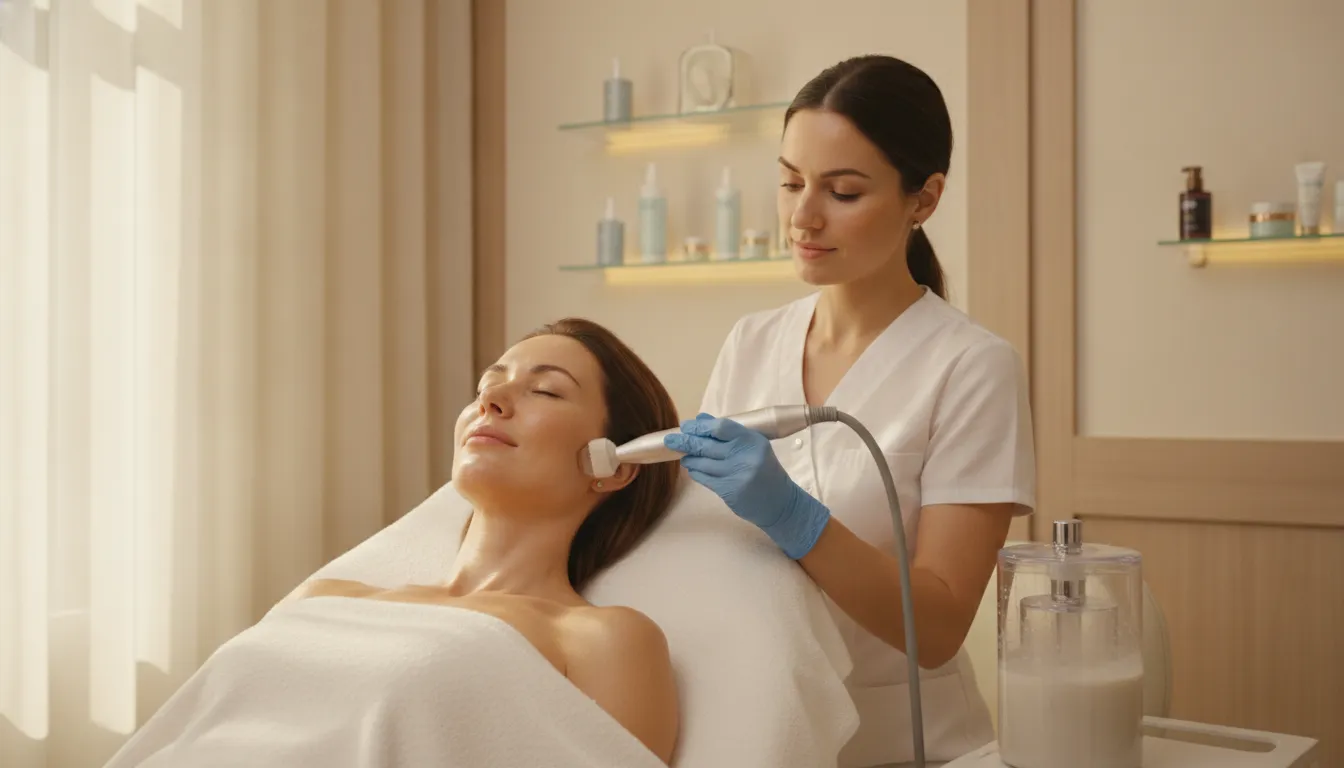
Microdermabrasion is a non-invasive procedure that gently exfoliates the outermost layer of dead skin cells. A specialist uses a handheld device to spray fine crystals onto the skin or uses a diamond-tipped wand to sand the surface. This process helps lighten sunspots and can improve the overall brightness of your skin. While one session can leave your skin feeling smoother, consistent treatments are key for visible results. In fact, one study showed that 40% of participants who underwent microdermabrasion every two weeks for 16 weeks saw their age spots disappear completely, making it a proven method for tackling hyperpigmentation.
Cryotherapy
Cryotherapy offers a quick and direct way to deal with individual sunspots. In this procedure, a medical professional applies liquid nitrogen directly to the dark spot using a cotton swab. The extreme cold freezes and destroys the pigmented cells that form the sunspot. After the treatment, the area may form a small blister or scab, which will heal and fall off, revealing lighter skin underneath. It’s a highly targeted treatment that is best suited for a few isolated spots rather than widespread discoloration, but it can be very effective for the right candidate.
Understanding Treatment Expectations
Deciding to pursue professional treatment is a big step, and it’s important to have realistic expectations about the process and the results. Unlike a simple facial, these treatments are designed to create significant change within your skin, which means results take time and proper aftercare is essential. Understanding the treatment timeline, potential side effects, and the need for maintenance will help you prepare for the journey and ensure you get the best possible outcome. A thorough consultation with a treatment provider is the best way to get a clear picture of what to expect for your specific skin.
Results Require Multiple Sessions
It’s rare for a single professional treatment to completely erase all sun damage. While you will likely see some improvement after your first appointment, the most significant and lasting results typically appear after a series of sessions. For treatments like IPL or microneedling, a plan of two to four sessions spaced several weeks apart is common. This layered approach allows your skin to heal and respond between appointments, leading to a more comprehensive and durable outcome. During a free consultation, a specialist can create a personalized treatment schedule tailored to your skin’s needs and your aesthetic goals.
Potential Side Effects and Maintenance
Most professional skin treatments come with some potential for temporary side effects. It’s common to experience redness, slight swelling, or even a temporary darkening or crusting of the treated spots as they begin to heal. These effects are a normal part of the skin’s recovery process and usually fade within a few days to a week. Once you’ve achieved your desired results, maintenance is key. The most important step is diligent sun protection. Daily use of a broad-spectrum sunscreen will help prevent new sunspots from forming and protect the investment you’ve made in your skin.
A Look at Treatment Costs
When considering professional treatments for sunspots, it’s important to plan for the financial aspect. Because these procedures are considered cosmetic, they are generally not covered by health insurance. The cost can vary widely depending on the type of treatment, the area being treated, and the number of sessions required to achieve your goals. To make these transformative treatments more accessible, many medspas offer financing options or membership programs that can help you manage the cost. Be sure to ask about payment plans during your consultation so you can find a solution that fits your budget.
Skin rejuvenation treatment at LightRx
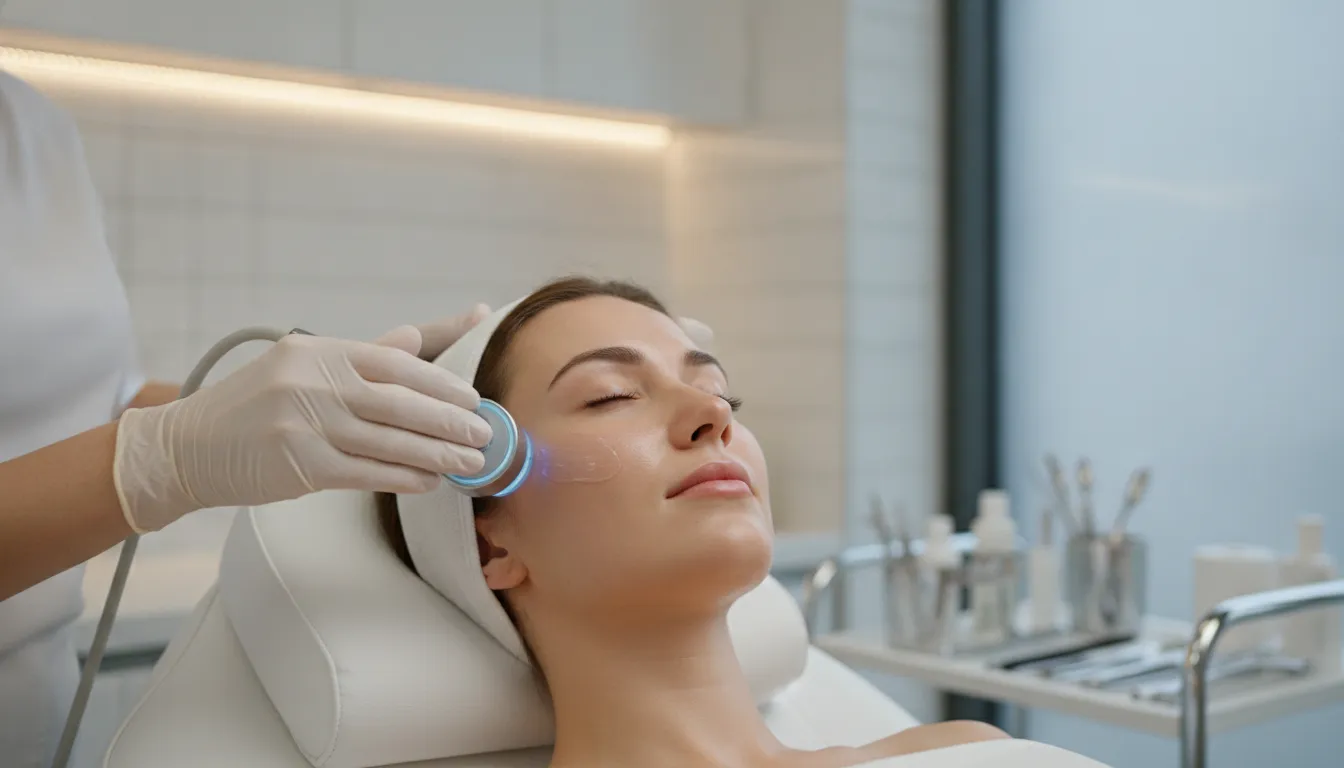
Professional medspa treatments is your best bet for proven and significant results. If you have serious sunspots, then we have a treatment for you. FDA-cleared, clinically proven Venus Viva™ works to improve the overall texture of your skin. It covers both major and minor skin blemishes and works fast. What makes the Venus Viva™ truly unique is its ability to cover a greater surface area and treat multiple issues in the same session. Plus, it is safe and effective. Skin resurfacing is safe for men and women and terrific for treating sun damage. The Venus Viva™ has many benefits, the first being the treatments it provides. It works to correct skin damage caused by harmful UV rays. Sun damage can affect the way your skin looks on your face and on your body. Venus Viva™ works to remove any of these blemishes. What is great about the treatment is that it is noninvasive and surgery free. This means that you avoid both the risks of surgery and the downtime afterwards. Venus Viva™ treatment is done completely on the surface of the skin. There are no incisions, meaning no risk of scarring, infection, or internal damage. In fact, one of the treatment targets is scarring. If you have facial scarring from a previous treatment, then Venus Viva™ can help you reduce it. Venus Viva™ treatments are tailored to make you look younger. Venus Viva™ has the technology to reduce its appearance. Venus Viva™ combines NanoFractional™ Radio Frequency (RF) and Pulsed Electro Magnetic Fields with SmartScan™ technology to safely deliver reparative heat to deeper layers of the skin without causing harm to any of the surrounding tissue. This process activates the body’s ability to naturally rebuild and regenerate collagen (Collagen Remodeling). Along with boosting collagen production the treatment has been shown to improve the look of the skin by increasing blood supply and improving circulation. As a result, discoloration like sunspots and rosacea are corrected and skin tone and texture evened out. If you are interested in learning more about our treatments and want to know more, call us at 877-721-4547 or schedule a free consultation at your local LightRx online. These consultations take as little as 30 minutes and are private one on one consultations with the clinic director.
Frequently Asked Questions
Are professional treatments for sunspots painful? This is one of the most common questions I get, and it’s a fair one! Most clients describe the sensation of treatments like IPL or Venus Viva™ as a quick, warm snap, similar to a rubber band against the skin. Your comfort is always the top priority, and technicians are skilled at making the experience as easy as possible. While everyone’s tolerance is different, the procedures are generally very manageable and quick.
How long until I see results, and will they be permanent? You’ll likely notice your skin looking brighter and clearer after your first session, but the most significant changes happen after a series of treatments. Think of it as a process, not a one-time fix. As for permanence, once a treated sunspot is gone, it’s gone for good. However, the key to keeping your skin clear is preventing new spots from forming. This means that diligent, daily sun protection is your best friend for maintaining those beautiful results long-term.
Is there any downtime after a treatment like laser or microneedling? Downtime is minimal for most of these treatments, which is great for busy schedules. You might experience some redness or a bit of swelling for a day or two, similar to a mild sunburn. For some light-based treatments, you may also notice the targeted spots temporarily darken before they flake off. You can typically go right back to your daily activities, but you’ll need to be extra gentle with your skin and vigilant about sunscreen as it heals.
Why can’t I just use a strong cream to get rid of my sunspots? While some high-quality creams with ingredients like retinoids or Vitamin C can help lighten surface-level discoloration, they often can’t reach the deeper layers of skin where the excess pigment is stored. Professional treatments like lasers use targeted energy to penetrate deeper and break down that pigment at its source. This is why they provide more dramatic, reliable, and lasting results than topical products alone.
I have sensitive skin. Can I still get these treatments? Absolutely. Many modern treatments are designed to be safe and effective for various skin types, including sensitive skin. The most important step is a thorough consultation. A trained professional will assess your skin’s specific needs and can tailor the treatment intensity and approach to ensure it’s both effective and comfortable for you. They can recommend the best option, whether it’s a gentler chemical peel or a specific laser setting, to achieve your goals without causing irritation.
Key Takeaways
- Confirm the Cause Before You Treat: Before spending time and money on products, get a professional opinion to rule out serious health concerns. An accurate diagnosis ensures you choose a treatment plan that will actually work for your specific type of discoloration.
- Make Sunscreen Your Daily Habit: The most effective way to manage sunspots is to prevent them in the first place. Applying a broad-spectrum sunscreen every single day is the best thing you can do to protect your skin from future damage and maintain your treatment results.
- Choose Professional Treatments for Deeper Results: Topical creams often can’t reach the source of stubborn sunspots. Professional procedures like laser therapy, chemical peels, and microneedling are designed to target pigmentation in the deeper layers of the skin for more significant and lasting improvement.