
A Guide to the Best Facial Treatment for Rosacea
If you’re trying to manage rosacea, the internet can feel like a confusing place. One article tells you to avoid a long list of foods, while another pushes a miracle cream that sounds too good to be true. This information overload makes it hard to know what actually works. The truth is, a successful management plan is about understanding your unique skin and combining the right strategies. It’s not about a single solution, but a comprehensive approach. This article cuts through the noise to give you a clear, straightforward guide. We’ll cover gentle skincare, lifestyle choices, and the professional procedures that deliver real results, helping you identify the best facial treatment for rosacea for your specific needs.
Rosacea is a skin condition that affects many people. It is most common in middle aged white women but can affect anyone. It is characterized by the flushed look and visible blood vessels in the face. Often it will produce small, pus-filled bumps. It can be mistaken for acne, general ruddiness, or some other skin condition. It will sometimes flare up for weeks and then go away for a while, only to flare up again sometime after. Its main symptoms include facial flushing, visible veins, swollen bumps, burning sensation, eye problems, and enlarged nose. While there is no cure for rosacea, if you are affected by this skin condition in any form there are cosmetic treatments for rosacea available to you.
Understanding Rosacea: Symptoms and Diagnosis
Figuring out if you have rosacea starts with a conversation. Because its symptoms can look like other skin issues, getting a clear picture is key to finding the right way to manage it. The first step is recognizing the signs and understanding how a professional can help you connect the dots. From there, you can build a plan that works for your specific skin needs and helps you feel more in control of your complexion.
How Rosacea is Diagnosed
There isn’t a specific blood test or scan for rosacea. Instead, a diagnosis usually comes from a thorough check-up with a doctor or dermatologist. They will examine your skin closely and ask detailed questions about your symptoms, including when they started, what they feel like, and if anything seems to make them worse. To be certain it’s rosacea, they might also perform tests to rule out other conditions with similar symptoms, such as lupus or psoriasis. This careful process ensures you get an accurate diagnosis, which is the most important step toward effective management.
Key Symptoms to Look For
Rosacea shows up differently for everyone, but there are a few common signs that can point to the condition. These symptoms often appear on the central part of the face, like the nose, cheeks, forehead, and chin. They can flare up for weeks or months at a time and then lessen, creating a frustrating cycle. Knowing what to look for can help you have a more productive conversation with your doctor about what you’re experiencing.
Facial Redness and Bumps
One of the most well-known signs of rosacea is persistent facial redness, almost like a blush or sunburn that doesn’t fade. This redness is caused by the swelling of tiny blood vessels close to the skin’s surface. Over time, these blood vessels can become permanently visible, creating what looks like a web of fine red lines. Many people also develop small, red, pus-filled bumps on their face that can be easily mistaken for acne. Unlike acne, however, these bumps are part of the underlying inflammation associated with rosacea.
Eye-Related Symptoms (Ocular Rosacea)
Rosacea isn’t just a skin condition; it can also affect your eyes. This is known as ocular rosacea, and for some people, it’s the first sign that something is wrong. Symptoms often include dry, itchy, or burning eyes that may look bloodshot or watery. You might also experience a gritty feeling, as if there’s sand in your eyes. In some cases, the eyelids can become swollen and irritated, leading to recurring styes. It’s a reminder that rosacea is a complex condition that can impact more than just your skin’s appearance.
Important Considerations for Diagnosis
Getting an accurate rosacea diagnosis requires looking beyond the most obvious symptoms. Factors like your skin tone and gender can influence how rosacea appears and how it’s identified. Acknowledging these differences is essential for ensuring everyone receives the right diagnosis and care, regardless of their background or how their symptoms present themselves.
Appearance on Different Skin Tones
Rosacea can be more challenging to identify on brown and Black skin. The characteristic flushing and redness that are prominent on lighter skin tones may appear as a subtle, dusky brown discoloration or simply feel warm to the touch. Likewise, the visible blood vessels, or spider veins, might be less apparent. Because these signs are harder to see, it’s crucial to pay attention to other symptoms like burning or stinging sensations, persistent warmth, and acne-like bumps to ensure the condition doesn’t go undiagnosed.
Differences in Gender and Symptom Location
While anyone can develop rosacea, it tends to be diagnosed more frequently in women, particularly those with fair skin. However, men who develop the condition often experience more severe symptoms. One example is rhinophyma, a symptom that causes the skin on the nose to thicken and become bumpy and red, which is far more common in men. Understanding these tendencies helps medical professionals look for specific signs and ensures that everyone, regardless of gender, receives a thorough evaluation and appropriate treatment plan.
Managing Rosacea with Skincare and Lifestyle Choices
While there is no cure for rosacea, you can absolutely manage its symptoms and reduce flare-ups. A huge part of this involves becoming a detective for your own skin. Many people find that certain things in their daily life trigger their rosacea. Common culprits include sun exposure, stress, spicy foods, alcohol (especially red wine), and extreme temperatures. Keeping a simple journal to track your symptoms and daily activities can help you identify your personal triggers. Once you know what causes your skin to react, you can make conscious choices to avoid those triggers and keep your skin calm.
Beyond avoiding triggers, a consistent and gentle skincare routine is your best friend. Sun protection is non-negotiable, so find a broad-spectrum sunscreen (SPF 30 or higher) that you love and wear it every single day. Look for gentle, fragrance-free cleansers and moisturizers to support your skin barrier without causing irritation. For many, combining these lifestyle adjustments with professional treatments offers the best results. Services like skin rejuvenation can effectively target persistent redness and uneven texture, helping to calm the skin and manage the visible signs of rosacea so you can feel confident and comfortable.
Lifestyle Changes
The first thing you can do to help improve your rosacea is to change some of you living habits. Taking care of your body physically tends to have benefits for your skin. Direct sunlight and stress are two of the main triggers for rosacea, which means that avoiding both can help reduce the appearance of rosacea symptoms. Additionally, spicy foods or coffee can trigger the symptoms, so avoiding these can help to reduce the flare ups. Anything that will heat up the face or send excess blood to the face can trigger the symptoms. If you are not using sunscreen to protect your face from the sun’s harmful UV rays then you should be, especially if you have rosacea. Long term exposure to the sun can trigger flare ups and worsen rosacea over time. If you can, try to get a natural sunscreen with zinc oxide or titanium dioxide to avoid further skin irritation. SPF 30 or higher works best for preventing damage and avoiding further flare ups.
Building a Rosacea-Friendly Skincare Routine
Recommended Skincare Ingredients
When you have rosacea, your skincare routine should be all about calming and protecting your skin barrier. Think of it as a peace treaty with your face. Look for products with gentle, soothing ingredients that won’t cause a fuss. Green tea is a fantastic antioxidant that helps reduce redness and swelling. Aloe vera is another hero, offering cooling and hydrating properties that feel amazing on irritated skin. Hyaluronic acid is a must-have for its ability to help your skin retain moisture without feeling heavy or greasy. Another ingredient to look for is azelaic acid, which is known for its power to reduce inflammation and redness associated with rosacea flare-ups. Reading labels and choosing products with these ingredients can make a significant difference in managing your daily symptoms.
Ingredients and Treatments to Avoid
Just as important as what you put on your skin is what you don’t put on it. Certain popular skincare ingredients can be too aggressive for rosacea-prone skin and may trigger a flare-up. It’s wise to steer clear of retinoids and high concentrations of Vitamin C, as they can sometimes cause more irritation. Salicylic acid, a common acne treatment, can also be drying and harsh. Beyond ingredients, be cautious with certain treatments. Harsh physical scrubs, strong chemical peels, and steam facials can all exacerbate redness and sensitivity. The key is to treat your skin gently and avoid anything that feels stripping or causes that tight, uncomfortable sensation. Always patch-test new products before applying them to your entire face.
Makeup Tips for Concealing Redness
Makeup can be a great tool for evening out your skin tone and minimizing the appearance of redness, giving you a welcome confidence boost. The secret weapon for counteracting redness is a green-tinted product. Based on color theory, green neutralizes red, making it an ideal base. You can find green-tinted primers or color-correcting concealers to apply a thin layer over red areas before your foundation. When choosing foundation and other face products, consider mineral-based makeup, as it often contains fewer potential irritants like fragrances and preservatives. Always apply your makeup with clean brushes or sponges, using a gentle dabbing or stippling motion instead of rubbing, which can aggravate your skin.
The Role of Diet and Stress Management
Managing rosacea often goes beyond skin-deep solutions. Your lifestyle choices, particularly your diet and stress levels, can play a significant role in controlling flare-ups. Many people find that certain foods and drinks act as triggers. Common culprits include spicy foods, alcohol (especially red wine), and hot beverages like coffee or tea. Consider keeping a simple journal to track what you eat and how your skin reacts to identify your personal triggers. Similarly, stress is a well-known trigger for rosacea. Incorporating stress-reducing habits into your routine, such as mindfulness meditation, gentle yoga, or even a daily walk, can help calm your nervous system and, in turn, your skin.
Medical and Professional Treatments for Rosacea
While a gentle skincare routine and lifestyle adjustments are foundational for managing rosacea, sometimes you need a more targeted approach to handle persistent symptoms like visible blood vessels and stubborn redness. This is where professional treatments can make a world of difference. Medical-grade therapies, particularly those using light and laser technology, are highly effective at addressing the underlying causes of rosacea’s visible signs. These treatments work by using specific wavelengths of light to target and collapse the unwanted blood vessels, reducing overall redness and creating a more even complexion without harming the surrounding tissue.
At LightRx, our skin rejuvenation services often utilize technologies like Intense Pulsed Light (IPL) to effectively treat rosacea symptoms. Because everyone’s skin is unique, the best approach starts with a personalized plan. During a free consultation, a trained technician can assess your skin’s specific needs and recommend a course of treatment tailored to you. These FDA-cleared, clinically proven technologies are designed to deliver visible results, helping you manage rosacea and feel more comfortable and confident in your skin. Combining professional treatments with a solid at-home care routine provides a comprehensive strategy for long-term management.
Creams
Another cosmetic treatment for rosacea is topical creams. While there are some over the counter creams that may help to alleviate some of the rosacea symptoms, your best topical solutions are prescription creams. The best two options are Rhofade and Soolantra. Both are daily creams that specifically target the main symptoms of Rosacea. They reduce the redness, bumps, and blemishes and work for anyone. Moreover, most clients begin to see a difference relatively quickly, only a couple of weeks. Full results may take three months of daily application. The creams do have some moderate side effects. These include itching, burning, and stinging.
Other Prescription Topicals
Beyond those two, your dermatologist has a few other options they might suggest. For mild to moderate rosacea, certain creams and gels can make a real difference. Some, like brimonidine and oxymetazoline, work by temporarily shrinking the blood vessels to reduce flushing. It’s important to know that their effect is temporary, and overusing them can sometimes make the redness worse when they wear off. Other topicals, such as azelaic acid, metronidazole, and ivermectin, are formulated to treat the pimples and bumps that often come with rosacea. These are typically applied once or twice a day and can be very effective as part of a consistent skincare routine.
Oral Medications for Rosacea
When topical treatments aren’t quite enough to manage flare-ups, a doctor might recommend oral medication. For more persistent rosacea with bumps and pimples, oral antibiotics like doxycycline are a common choice. These pills work from the inside out to reduce inflammation. In cases of severe rosacea that haven’t responded to other treatments, a dermatologist might prescribe isotretinoin, a powerful medication also used for acne. While these medications address the underlying condition, many people also seek out professional treatments to manage the visible symptoms. Procedures like skin rejuvenation can be a great complement to medical care, helping to reduce persistent redness and improve overall skin texture for a clearer complexion.
Laser Treatment
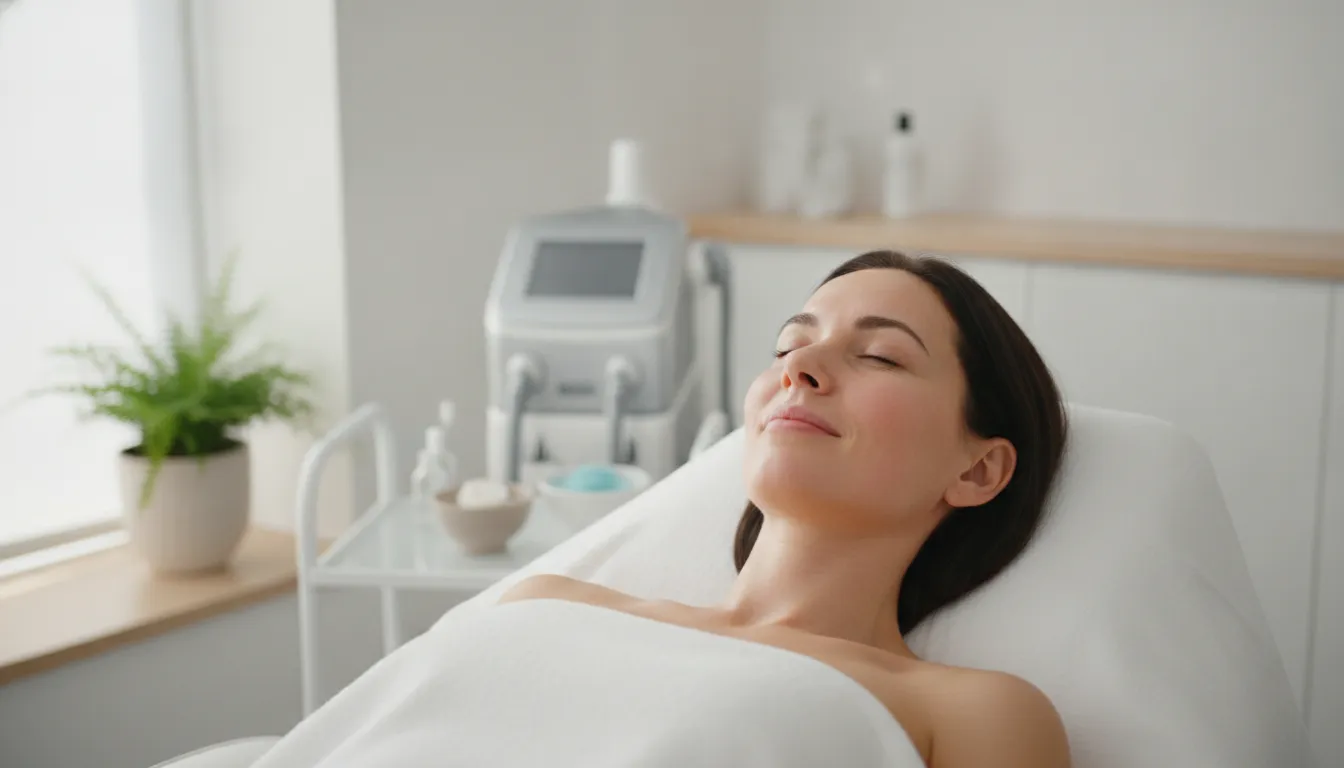
By far the best, and most effective cosmetic treatment for rosacea is laser treatment. LightRx’s skin rejuvenation treatment is perfect for rosacea. Laser treatment can help alleviate symptoms in even the most severe cases of rosacea. There are two pieces of technology that we use to treat rosacea. The first is the Venus Viva™. Venus Viva™ combines NanoFractional™ Radio Frequency (RF) and Pulsed Electro Magnetic Fields with SmartScan™ technology to safely deliver reparative heat to deeper layers of the skin without causing harm to any of the surrounding tissue. The RF tightens existing collagen fibers in the dermis while stimulating collagen production cells (fibroblast) to make new collagen for the skin. The second is the Aerolase Neo Elite. There are many benefits to using the Aerolase Neo Elite, but they can be summed up in four categories. The first is its unmatched efficacy. The deep penetration and high power of the laser allows for a wide range of treatment for skin conditions of all types on skin of all types. The second is the Neo Elite’s range of unique beam profiles. The beam can reach large spot sizes of up to 10mm, which is big for a concentrated laser, and 1.5msec pulse durations. This allows for treatment of a wide range of conditions. Third, because of the unique nature of this technology, the Aerolase Neo Elite is versatile. The wavelength options, in conjunction with the 650-microsecond technology, allows for treatment of several conditions that would classically require a number of different lasers. Finally, since the Neo Elite delivers high amounts of energy within a short pulse time, a lot of the already minimal side effects are even less likely. The targeted area is the only area affected, and surrounding tissue is not at risk of being overheated. This eliminates potential burns, scarring, or purpura. Both pieces of technology work in the same way. The laser targets the capillaries. These capillaries are the tiny blood vessels in the skin that are malfunctioning and causing the rosacea. These capillaries in the skin are heated up and this heat causes the capillaries to shrivel up and die. The lasers are accurate enough to target the capillaries without damaging the surrounding skin. If you are interested in learning more about our treatments and want to know more, call us at 877-721-4547 and schedule a free consultation at your local LightRx. These consultations take as little as 30 minutes and are private one on one consultations with the clinic director.
Other In-Office Treatments
Beyond the specific laser technologies we use, there are other professional treatments that can be part of a comprehensive plan to manage rosacea. These options often work best when combined with a consistent skincare routine and lifestyle adjustments. It’s all about finding the right combination that works for your unique skin. Consulting with a skin care professional is the best first step to determine which treatments will be most effective for your specific symptoms, whether you’re dealing with persistent redness, visible blood vessels, or textural changes. They can help you build a multi-faceted approach for the best possible results.
Light Therapies (IPL/BBL)
Intense Pulsed Light (IPL) or BroadBand Light (BBL) therapies are other effective options for managing rosacea. These treatments use broad-spectrum light to target and reduce the visible blood vessels and redness associated with the condition. According to the American Academy of Dermatology, laser and light treatments are typically part of a larger plan that includes medication and proper skin care. While they are especially effective for visible blood vessels and can also help with thickened skin, they can significantly calm overall facial redness. A series of treatments is usually needed to achieve the desired outcome, and your technician will create a plan tailored to your skin’s needs.
Gentle Facials and Peels
You might think facials are off-limits for sensitive, rosacea-prone skin, but that’s not necessarily true. While harsh scrubs and aggressive chemical peels should be avoided, gentle, hydrating facials can be very beneficial. The key is to work with an esthetician who understands rosacea and uses soothing ingredients designed to calm inflammation and strengthen the skin barrier. As noted by experts at Healthline, it’s now understood that gentle options are perfectly fine. A calming facial or a very mild lactic acid peel can help reduce inflammation and improve skin texture without causing a flare-up, making it a great complementary treatment.
Microneedling
Microneedling is another advanced treatment that can show promising results for rosacea. This procedure involves using fine needles to create tiny, controlled micro-injuries in the skin, which stimulates the body’s natural collagen and elastin production. For rosacea, this process helps strengthen the skin and reduce vascularity, which in turn can lessen the appearance of redness. It’s a way to build a more resilient skin barrier from the inside out. Of course, this treatment should only be performed by a trained professional who can adjust the technique to be safe and effective for your sensitive skin.
What to Expect from Professional Treatments
When you decide to pursue professional treatments for rosacea, it’s helpful to have a clear picture of what the process looks like and the kind of results you can anticipate. These treatments are an investment in your skin and your confidence, so knowing what’s ahead can make the journey feel much more manageable. From the initial consultation to post-treatment care, each step is designed to get you closer to calmer, clearer skin. It’s not about finding a one-time “cure,” but rather developing a long-term strategy to keep your symptoms under control and your skin looking its best.
Effectiveness and Longevity of Results
Professional treatments can make a significant difference in the appearance of rosacea, especially for persistent symptoms like visible blood vessels. The American Academy of Dermatology reports that most people see a 50% to 75% reduction in broken capillaries after just one to three sessions. Some even see a complete clearing. The results can be long-lasting, but rosacea is a chronic condition, so maintenance is key. You may need periodic touch-up treatments to keep redness and new blood vessels at bay. Your treatment provider will work with you to establish a long-term plan to maintain your results effectively.
The Importance of a Combined Treatment Approach
Rosacea manifests differently for everyone, which is why a one-size-fits-all approach simply doesn’t work. A personalized treatment plan is essential for effectively managing your specific symptoms. This often involves a combination of in-office procedures, prescription topicals, and specific lifestyle adjustments. For example, you might benefit from a series of skin rejuvenation treatments to reduce redness, combined with a gentle daily cleanser and a commitment to wearing sunscreen. This comprehensive strategy addresses the condition from multiple angles, leading to better, more sustainable results and giving you more control over your skin.
Safety Precautions for Laser and Light Therapy
Your safety is the top priority during any laser or light treatment. To ensure a safe experience and optimal results, it’s crucial to choose a reputable provider with certified technicians and advanced, FDA-cleared technology. Before your treatment, you’ll have a consultation to confirm you’re a good candidate. After the procedure, following post-care instructions is vital. The American Academy of Dermatology emphasizes that you must protect your skin from the sun after treatment to avoid side effects. Wearing a broad-spectrum SPF 30 or higher daily is non-negotiable, as it protects your sensitive skin and preserves the results of your treatment.
Navigating Your Treatment Journey
Starting your journey to manage rosacea can feel overwhelming, but you don’t have to do it alone. From finding the right professional to understanding the costs, having a clear roadmap can make all the difference. The goal is to feel empowered and informed as you take steps toward healthier skin. Think of it as building your personal support team and gathering the resources you need to succeed. With the right guidance and information, you can confidently move forward and find a treatment plan that fits your life and your goals for your skin.
The Role of a Dermatologist and Medical Spa
Getting expert guidance is the most important first step. A board-certified dermatologist can provide a formal diagnosis and prescribe medications, while a reputable medical spa can offer advanced cosmetic treatments to manage the visible symptoms. At LightRx, our process always begins with a free personal consultation to discuss your concerns and evaluate your skin. This allows us to recommend a personalized treatment plan that aligns with your goals. Whether you start with a dermatologist or a medspa, the key is to work with professionals who listen to your needs and have experience treating rosacea.
Understanding Insurance Coverage
It’s important to be aware of the financial aspect of rosacea treatments. As the Mayo Clinic points out, some treatments, particularly laser and light therapies, may be considered cosmetic and therefore might not be covered by insurance. It’s always a good idea to check with your insurance provider beforehand to understand your coverage. To help make treatments more accessible, many medical spas offer financing options or membership programs. For instance, our LightRx membership plans can make it easier to budget for your treatments and maintain your results over the long term, ensuring you can stick with your plan without financial stress.
Frequently Asked Questions
I thought facials were off-limits for rosacea. Can I really get one? That’s a common misconception, and it makes sense to be cautious. While you should absolutely avoid harsh treatments like aggressive scrubs or strong chemical peels, a gentle, hydrating facial can be incredibly beneficial. The key is working with a professional who understands rosacea. They will use calming, anti-inflammatory ingredients to soothe your skin and strengthen its natural barrier, which can actually help reduce irritation over time.
If I can only do one thing at home to manage my rosacea, what should it be? Without a doubt, the most important thing you can do is wear a broad-spectrum sunscreen with at least SPF 30 every single day. Sun exposure is one of the most common triggers for rosacea flare-ups. Making sunscreen a non-negotiable part of your morning routine protects your skin from UV damage, helps prevent redness from worsening, and preserves the results of any professional treatments you invest in.
How exactly does a laser treatment reduce redness? It sounds intense. It’s much gentler than it sounds. Professional laser and light therapies work by sending very specific wavelengths of light energy into the skin. This energy is absorbed by the tiny, visible blood vessels that cause the persistent redness. The heat from the light causes these vessels to collapse and seal shut. Your body then naturally clears them away, resulting in a calmer, more even-toned complexion without harming the surrounding skin.
Are the results from professional treatments permanent? Professional treatments can create a dramatic and long-lasting reduction in redness and visible blood vessels. However, because rosacea is a chronic condition, it’s best to think of these treatments as a powerful way to manage your symptoms rather than a one-time cure. To maintain your results, you may need occasional touch-up sessions, and it’s essential to stick with a gentle skincare routine and avoid your personal triggers.
My skin isn’t fair, so how can I tell if my redness is actually rosacea? This is a fantastic question, as rosacea often presents differently on deeper skin tones, making it harder to diagnose. Instead of obvious flushing, you might notice a persistent dusky brown discoloration on your face. Pay close attention to other sensations, like a frequent feeling of warmth, burning, or stinging. You might also experience acne-like bumps that don’t respond to typical acne treatments, which can be another key indicator.
Key Takeaways
- A two-part strategy is key: Successfully managing rosacea involves combining a consistent, gentle at-home skincare routine with targeted professional treatments to address symptoms from all angles.
- Professional treatments target stubborn redness: For persistent redness and visible blood vessels that creams can’t resolve, advanced options like laser and light therapy can safely and effectively calm your skin for a more even complexion.
- Your treatment plan must be personalized: Rosacea is not a one-size-fits-all condition. The most effective approach is to work with a professional to identify your unique triggers and build a customized plan that fits your skin’s specific needs.