
Your Guide to the Best Rosacea Treatment Options
A quick search for rosacea solutions can leave you with a dozen open tabs and a feeling of complete overwhelm. One article recommends a miracle cream, while another insists on a strict diet. It’s hard to know where to start or who to trust. Let’s cut through the noise. Managing rosacea doesn’t have to be complicated. It comes down to a few key principles: be gentle, protect your skin, avoid your triggers, and seek professional guidance when needed. This guide is designed to be your clear, straightforward resource for understanding what truly works. We’ll break down the science-backed options so you can confidently choose the best rosacea treatment path, combining daily habits with effective therapies to achieve lasting calm.
Key Takeaways
- Know your rosacea inside and out: Effective management begins with identifying your specific subtype and personal triggers. Understanding what causes your flare-ups, from sun exposure to certain foods, is the first step toward controlling them.
- Layer your treatments for better control: The most effective plans combine multiple strategies. Pair a consistent, gentle at-home skincare routine with professional treatments and mindful lifestyle choices to manage symptoms from all sides.
- Embrace consistency for lasting relief: Since rosacea is a chronic condition, the goal is long-term management, not a cure. Patiently sticking to your personalized plan is the key to reducing flare-ups and maintaining calm, comfortable skin.
What is Rosacea?
If you’ve ever dealt with persistent facial redness that just won’t quit, you might be familiar with rosacea. It’s a long-lasting skin condition that primarily affects the face, causing redness and other noticeable symptoms. One of the most frustrating things about rosacea is that it can come and go in periods known as “flares.” While the exact cause is still a bit of a mystery, experts agree that a combination of your family history and environmental factors plays a significant role.
Rosacea can sometimes be mistaken for acne or just a simple case of blushing, but it’s a distinct condition that requires a specific approach to manage. It can affect anyone, but it’s most common in middle-aged women with fair skin. Living with rosacea can be challenging, not just physically but emotionally, too. The key to getting it under control is understanding what you’re dealing with. Recognizing the specific symptoms and identifying which type of rosacea you have are the first crucial steps toward finding an effective treatment plan. With the right care, including professional treatments like skin rejuvenation, you can manage your symptoms and feel confident in your skin again.
Recognizing the Symptoms
So, how do you know if you have rosacea? The signs can vary from person to person, but there are several common symptoms to watch for. According to dermatological experts, you might notice persistent redness or bumps on your face, particularly on the cheeks, nose, and forehead. Some people experience breakouts that look a lot like acne, along with visible broken blood vessels that resemble tiny spider veins.
Your skin might also feel swollen, sensitive, or have a stinging or burning sensation. Dry, rough patches are another common indicator. One of the most tell-tale signs is a tendency to blush or flush much more easily than other people. In some cases, the skin can become thick and bumpy, especially around the nose. Keeping an eye out for these key symptoms is the first step toward getting a proper diagnosis.
The Four Types of Rosacea
Rosacea isn’t a one-size-fits-all condition; it’s actually categorized into four different subtypes, each with its own set of characteristics. Understanding which type you have helps tailor the most effective treatment.
- Erythematotelangiectatic rosacea: This is the one most people think of. It’s defined by persistent redness, flushing, and visible blood vessels.
- Papulopustular rosacea: Often confused with acne, this type involves redness, swelling, and breakouts. It’s most frequently seen in middle-aged women.
- Phymatous rosacea: This less common subtype causes the skin to become thick, bumpy, and red.
- Ocular rosacea: As the name suggests, this type affects the eyes, causing them to look red and swollen and feel irritated.
Knowing the four types of rosacea can help you and your skincare professional pinpoint the best course of action for your unique skin concerns.
What Are the Best Treatments for Rosacea?
Finding the right treatment for rosacea often feels like putting together a puzzle. Because everyone’s skin and triggers are different, what works for one person might not work for another. The best approach usually depends on your specific symptoms and the type of rosacea you have. For many people, a combination of strategies, including prescription medications and professional treatments, delivers the best results.
Think of it as a team effort between you and your skincare professional. The goal is to calm inflammation, reduce redness, and manage flare-ups so you can feel confident in your skin. The main treatment categories fall into three groups: topical medications you apply directly to your skin, oral medications you take by mouth, and professional therapies like laser and light treatments. Each one targets different aspects of rosacea, from the surface-level redness to the deeper bumps and visible blood vessels. It’s not about finding a single magic bullet, but rather building a comprehensive strategy. This might mean starting with a gentle skincare routine, adding a topical cream, and then considering professional treatments for more persistent symptoms. Working with an expert can help you create a personalized plan that addresses your unique needs and helps you achieve clearer, calmer skin.
Topical Medications
Topical treatments are often the first step in managing rosacea. These are prescription creams, gels, and lotions that you apply directly to your skin to reduce redness and inflammation. Your dermatologist might prescribe something with azelaic acid to help with bumps and swelling, or ivermectin to target the papules and pustules. Another common ingredient is metronidazole, which is an antibiotic that helps control inflammation.
For persistent redness and flushing, other topicals like brimonidine and oxymetazoline work by temporarily constricting blood vessels. This can provide a quick, visible reduction in redness that lasts for several hours. Consistency is key with these treatments, and it can take a few weeks to see significant improvement. It’s all about finding the right formula that your sensitive skin responds to best.
Oral Medications
When topical treatments aren’t quite enough to manage bumps and pimples, your doctor might suggest an oral medication. These are typically reserved for more moderate to severe cases of rosacea. The most common options are oral antibiotics, like a low-dose doxycycline, which works primarily as an anti-inflammatory rather than an antibiotic in this context. It helps calm the internal inflammation that leads to breakouts and persistent redness.
For very severe cases of rosacea that don’t respond to other therapies, a powerful medication called isotretinoin may be an option. Because it comes with significant side effects, it’s used carefully under close medical supervision. Oral medications can be a game-changer for getting stubborn symptoms under control, often used in combination with a gentle skincare routine and topical treatments.
Professional Laser and Light Therapy
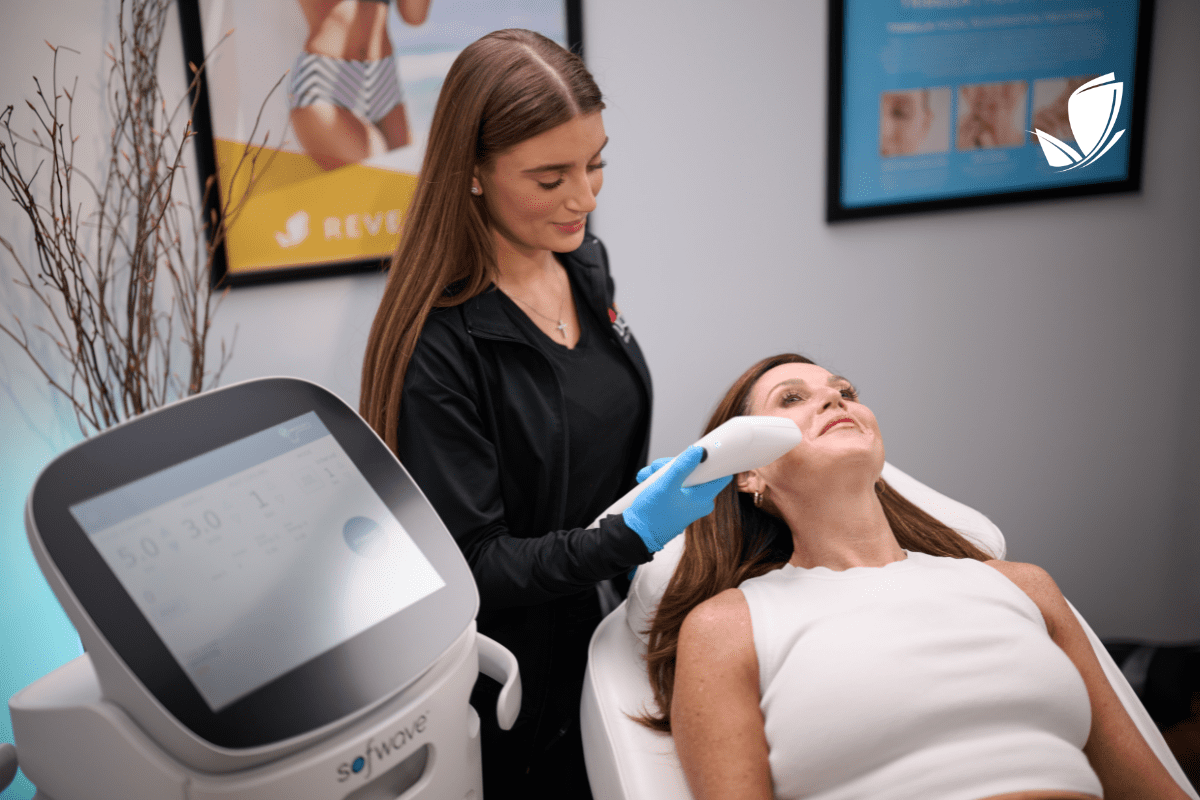
For stubborn redness and visible blood vessels that don’t respond to creams or pills, professional treatments can make a huge difference. Therapies like laser and Intense Pulsed Light (IPL) are excellent for targeting the source of the problem. These treatments use specific wavelengths of light to heat and eliminate the tiny, visible blood vessels just beneath the skin’s surface, reducing overall redness and creating a more even skin tone.
Many people find that laser treatment provides longer-lasting results for flushing and telangiectasias (the technical term for those little broken capillaries) than medications alone. At LightRx, we use advanced skin rejuvenation techniques to effectively manage rosacea symptoms. A series of sessions is usually recommended to achieve the best outcome, helping you get back to clear, comfortable skin.
Building a Skincare Routine for Rosacea
While professional treatments can make a world of difference, your daily skincare routine is your first line of defense in managing rosacea. Think of it as the foundation that supports everything else. The right routine can help calm persistent redness, reduce sensitivity, and keep flare-ups at bay. It’s all about choosing products that soothe and strengthen your skin barrier, not strip or irritate it. Paired with a professional plan that may include skin rejuvenation therapies, a consistent at-home regimen gives you the power to keep your skin calm, clear, and comfortable.
The Best Gentle Cleansers
When you have rosacea, washing your face requires a gentle touch. Harsh scrubs and stripping soaps can easily trigger a flare-up, so it’s essential to choose your cleanser wisely. Look for a mild, soap-free formula specifically made for sensitive skin. When you wash your face, use your fingertips to apply the cleanser in a soft, circular motion. Instead of using hot water, which can increase redness, rinse with lukewarm water until all the cleanser is gone. Finally, gently pat your skin dry with a soft towel. This simple, careful approach helps clean your skin without disrupting its delicate balance.
Key Ingredients to Look For
Becoming a skincare ingredient detective is one of the best things you can do for your rosacea. When you’re scanning product labels, there are several powerhouse ingredients that can help calm and protect your skin. Keep an eye out for calming ingredients like niacinamide, which helps reduce inflammation, and azelaic acid, known for its ability to soothe redness. For hydration and barrier support, look for hyaluronic acid and ceramides. These ingredients help your skin retain moisture and strengthen its natural defenses. And of course, mineral-based sunscreens containing zinc oxide or titanium dioxide are a must for daily protection.
Ingredients to Avoid
Just as important as knowing what to look for is knowing what to avoid. Many common skincare ingredients can be major triggers for rosacea-prone skin, causing stinging, burning, and redness. It’s a good idea to steer clear of products containing alcohol, fragrances, and menthol, as these can be incredibly drying and irritating. You should also be cautious with exfoliants like glycolic and lactic acids, which can be too harsh for sensitive skin. Other potential irritants include camphor, urea, and sodium lauryl sulfate (SLS). Always remember to patch-test a new product on a small area of skin before applying it to your entire face.
How Lifestyle Changes Can Help Manage Rosacea
While professional treatments are fantastic for getting rosacea under control, the small choices you make every day play a huge role in keeping your skin calm and clear. Think of it as a partnership: your daily habits support the work of your treatments, leading to better, longer-lasting results. By making a few adjustments to your routine, you can reduce flare-ups and feel more in control of your skin’s health. It’s all about creating a lifestyle that helps your skin thrive.
Identify and Avoid Common Triggers
One of the most effective ways to manage rosacea is to learn what causes your personal flare-ups. While there are common culprits, everyone’s skin is different. You might find that spicy foods, hot drinks, alcohol, or even stress can cause redness and irritation. Other potential triggers include extreme temperatures, wind, and intense exercise. A great first step is to figure out what makes your rosacea worse and then try to avoid those things. Keeping a simple diary for a few weeks can help you connect the dots between your daily activities and your skin’s reactions.
Master Your Sun Protection Strategy
If you have rosacea, sunscreen is your best friend. Sun exposure is one of the most common triggers, so protecting your skin is non-negotiable. The American Academy of Dermatology provides excellent rosacea skin care tips, recommending a broad-spectrum sunscreen with an SPF of 30 or higher every single day, even when it’s cloudy. Look for mineral-based formulas containing titanium dioxide or zinc oxide, as these are often less irritating for sensitive skin. Remember to reapply every two hours, or more often if you’re swimming or sweating. This simple habit can dramatically reduce flare-ups and protect your skin from further damage.
Manage Stress and Adjust Your Diet
The connection between your mind and your skin is powerful, and stress is a well-known trigger for rosacea. Finding healthy ways to manage stress can make a real difference. Simple practices like deep breathing exercises, meditation, or even a quiet walk can help keep your stress levels in check. Your diet matters, too. Many people find that limiting hot beverages like coffee and tea, as well as alcohol, helps reduce redness and flushing. You don’t have to give up everything you love, but being mindful of these potential triggers can help you maintain a calmer complexion and support your overall skin rejuvenation goals.
Exploring Professional Rosacea Treatments
When topical creams and lifestyle changes aren’t giving you the relief you need, it might be time to explore professional treatments. These advanced options can target the underlying causes of rosacea symptoms, like redness and visible blood vessels, offering more dramatic and lasting results. Working with a skincare professional gives you access to powerful technologies and a personalized plan that goes beyond what you can do at home. It’s about finding a solution that truly helps you feel confident and comfortable in your skin again.
Your Guide to Laser Therapy
If persistent redness and tiny, visible blood vessels are your primary concerns, laser therapy can be a game-changer. Treatments like Intense Pulsed Light (IPL) use specific wavelengths of light to target and collapse the unwanted blood vessels at the surface of your skin. Think of it as a highly focused light that gently erases the redness without harming the surrounding tissue. Over a series of sessions, this can significantly reduce overall flushing and create a more even, clear complexion. It’s one of the most effective ways to address the vascular components of rosacea and achieve noticeable improvement.
Skin Rejuvenation for Rosacea Relief
At LightRx, we use advanced technology to offer skin rejuvenation treatments specifically designed to manage rosacea. This approach uses laser and light-based energy to calm inflammation, reduce redness, and improve the overall texture of your skin. It’s a gentle yet powerful way to address symptoms, even in more persistent cases. By stimulating your skin’s natural healing processes, these treatments help build a stronger, more resilient skin barrier. This not only provides immediate relief but also helps your skin better withstand potential triggers in the future, leading to clearer skin long-term.
When to See a Professional
It’s easy to fall into a cycle of trying new products with little success, but rosacea often requires a more strategic approach. If left unmanaged, symptoms can worsen over time, sometimes leading to permanent redness or changes in skin texture. Consulting a professional is the best way to get an accurate assessment and a treatment plan tailored to your specific type of rosacea. A skincare expert can help you understand your triggers and recommend the most effective combination of professional services and at-home care. Taking that step ensures you’re not just guessing, but actively working toward clearer, healthier skin.
Create Your Personal Rosacea Treatment Plan
Finding the right approach to manage your rosacea is a personal process. Since everyone’s skin and triggers are different, what works for one person might not work for you. That’s why building a customized treatment plan is the key to controlling flare-ups and keeping your skin calm. It’s about creating a strategy that combines professional guidance, effective treatments, and realistic goals to help you feel confident in your skin.
Work with a Skincare Professional
If you’re dealing with persistent redness and irritation, the best first step is to talk to a skincare professional. They can accurately diagnose your specific type of rosacea and rule out other skin conditions. A professional will assess your skin’s needs and create a treatment plan just for you, recommending the right products and therapies. At LightRx, our team is here to help you understand your skin better. We offer a free consultation to discuss your concerns and map out a clear path forward, so you don’t have to figure it all out on your own.
Combine Treatments for Better Results
Rosacea management is rarely about a single magic bullet. More often, the most effective approach involves a combination of strategies. Think of it as a team effort: your at-home skincare routine works to soothe and protect your skin daily, while professional treatments can target more stubborn symptoms like persistent redness or uneven texture. For example, pairing a gentle daily cleanser with a series of skin rejuvenation sessions can produce much better results than either method alone. This layered approach helps you manage symptoms from multiple angles, leading to clearer, calmer skin over time.
Set Realistic Expectations
It’s important to remember that rosacea is a chronic condition, which means the goal of treatment is management, not a cure. Your plan will help control symptoms and reduce the frequency and intensity of flare-ups. Even with the most effective treatments, rosacea can sometimes reappear, and that’s completely normal. The key is consistency and patience. Sticking with your routine and working with your skincare professional to adjust your plan as needed will make all the difference. Understanding that this is a long-term partnership with your skin helps you celebrate the progress you make and stay motivated through any setbacks.
How to Prevent Rosacea Flare-Ups
While professional treatments are fantastic for getting rosacea under control, your daily habits are what keep your skin calm and clear long-term. Preventing flare-ups is all about being proactive and understanding what your skin needs to stay balanced. Think of it as a partnership between you and your skin. By making a few mindful adjustments to your routine and lifestyle, you can significantly reduce redness and irritation, giving you more control and confidence. It starts with consistency and a little bit of detective work to figure out what makes your skin happy.
Stick to a Daily Skincare Routine
Your daily skincare routine is your first line of defense against rosacea flare-ups. The key is to be gentle and consistent. Start with a mild, fragrance-free cleanser and lukewarm water, and always pat your skin dry instead of rubbing it. Avoid any products that contain alcohol or other harsh irritants. A good moisturizer is non-negotiable, as it helps your skin’s barrier lock in hydration and protect itself from irritants. When shopping, look for products specifically made for sensitive skin. While your daily routine protects your skin, professional skin rejuvenation treatments can help repair underlying damage and strengthen your skin over time.
Manage Your Environment and Triggers
One of the most empowering things you can do is identify what causes your rosacea to flare up. Common triggers include spicy foods, alcohol, hot drinks, stress, and extreme temperatures. The sun is also a major culprit, so applying a broad-spectrum sunscreen every single day is essential. To pinpoint your specific triggers, try keeping a simple diary for a few weeks. Note what you eat, where you go, and how you feel, then track how your skin reacts. Once you know what causes redness, you can avoid those triggers. Understanding your skin’s behavior also helps your specialist recommend the best services to build its resilience.
When Will You See Results from Rosacea Treatments?
When you start a new treatment for rosacea, it’s completely normal to want to see results right away. You’re putting in the effort, and you want to know it’s making a difference. The timeline for improvement, however, can vary quite a bit depending on the type of treatment you’re using and how your skin responds. Some approaches offer quicker changes, while others require a bit more patience as they work to calm inflammation and heal your skin from within.
Understanding these different timelines is a huge part of managing your expectations and staying motivated. It’s not about finding an overnight fix, but about committing to a plan that will deliver lasting relief. Whether you’re using topical creams, oral medications, or professional therapies, each has its own pace. Knowing what to expect can help you stick with your routine and feel confident that you’re on the right path to clearer, calmer skin.
Timelines for Different Treatments
If your treatment plan includes topical medications like creams or gels, you’ll need to be patient. It can often take several weeks or even a couple of months of consistent use to see a real change in redness and blemishes. For oral antibiotics, you might notice your skin starting to clear up within a few weeks, but the full benefits can take a bit longer to appear. Professional skin rejuvenation therapies, like laser treatments, can sometimes show immediate improvement, but the best results typically emerge over several weeks as your skin fully heals and rebuilds.
The Importance of Consistency
Consistency is your best friend when it comes to managing rosacea. Think of it like any other wellness routine: results come from sticking with it day in and day out. Using your prescribed treatments and following your skincare regimen without skipping steps is essential for keeping flare-ups under control. When you’re consistent, you give your skin a stable environment to heal and reduce inflammation. This steady approach helps prevent the frustrating cycle of clearing up and flaring back up. A dedicated routine is the foundation for achieving and maintaining the clear, comfortable skin you’re working toward.
Related Articles
- Rosacea Laser Treatment: What to Know
- Rosacea: A Common Skin Care Culprit
- Skin Rejuvenation Treatment: A Complete Guide
Frequently Asked Questions
Can rosacea be cured permanently? Rosacea is a chronic condition, which means there isn’t a permanent cure. However, it can be very effectively managed. The goal of a good treatment plan is to control your symptoms, reduce the frequency of flare-ups, and keep your skin looking and feeling its best. With the right combination of professional treatments, a consistent skincare routine, and lifestyle adjustments, you can achieve long periods of clear, calm skin.
How do I know if I have rosacea or just sensitive skin? This is a common question because the symptoms can overlap. While sensitive skin reacts to certain products or environments, rosacea involves more specific signs like persistent redness, visible blood vessels, and sometimes bumps that resemble acne. The best way to know for sure is to get a professional assessment. A skincare expert can properly diagnose your condition and create a treatment plan that addresses the root cause of your symptoms.
Are professional treatments like laser therapy painful? Most people describe the sensation of laser or light therapy as a quick, warm snap, similar to a rubber band flicking against the skin. Discomfort is usually minimal and very brief. At LightRx, we prioritize your comfort and our technicians will ensure you know exactly what to expect. The treatments are quite fast, and there is no significant downtime afterward.
Can I wear makeup if I have rosacea? Yes, you can absolutely wear makeup. The key is to choose your products carefully. Look for mineral-based, fragrance-free formulas designed for sensitive skin, as these are less likely to cause irritation. It’s also a good idea to use clean brushes and sponges and to remove your makeup gently but thoroughly at the end of each day.
How many professional treatment sessions will I need to see results? The number of sessions really depends on your specific skin concerns and the type of treatment you receive. For skin rejuvenation therapies that target redness and visible blood vessels, most people see significant improvement after a series of three to five sessions, typically spaced a few weeks apart. During your free consultation, we can give you a much more personalized recommendation based on your skin’s unique needs.