Laser for Stretch Marks: What You Need to Know
When you hear the term “laser therapy,” it might sound intense, but the science behind it is actually quite elegant. The treatment uses focused beams of light to send energy deep into your skin, targeting the support structure that was damaged when stretch marks formed. This energy kickstarts your body’s natural production of new collagen and elastin, the essential proteins that keep skin firm and smooth. Essentially, using a laser for stretch marks helps your skin rebuild and repair itself. In this guide, we’ll explain the different types of laser technology, what you can expect during a session, and how this process can significantly improve your skin’s appearance.
Are you considering laser therapy for stretch marks? It’s no secret that the appearance of stretch marks can be frustrating, and fortunately, there are a variety of treatment options available to help diminish their appearance. Laser therapy is one such option that has increasingly grown in popularity over the past several years due to its relatively low risk profile and effectiveness when compared with other treatments. In this blog post, we invite you to learn more about laser therapy for stretch marks as we discuss how it works and what it may involve.
How Does Laser Therapy for Stretch Marks Work?
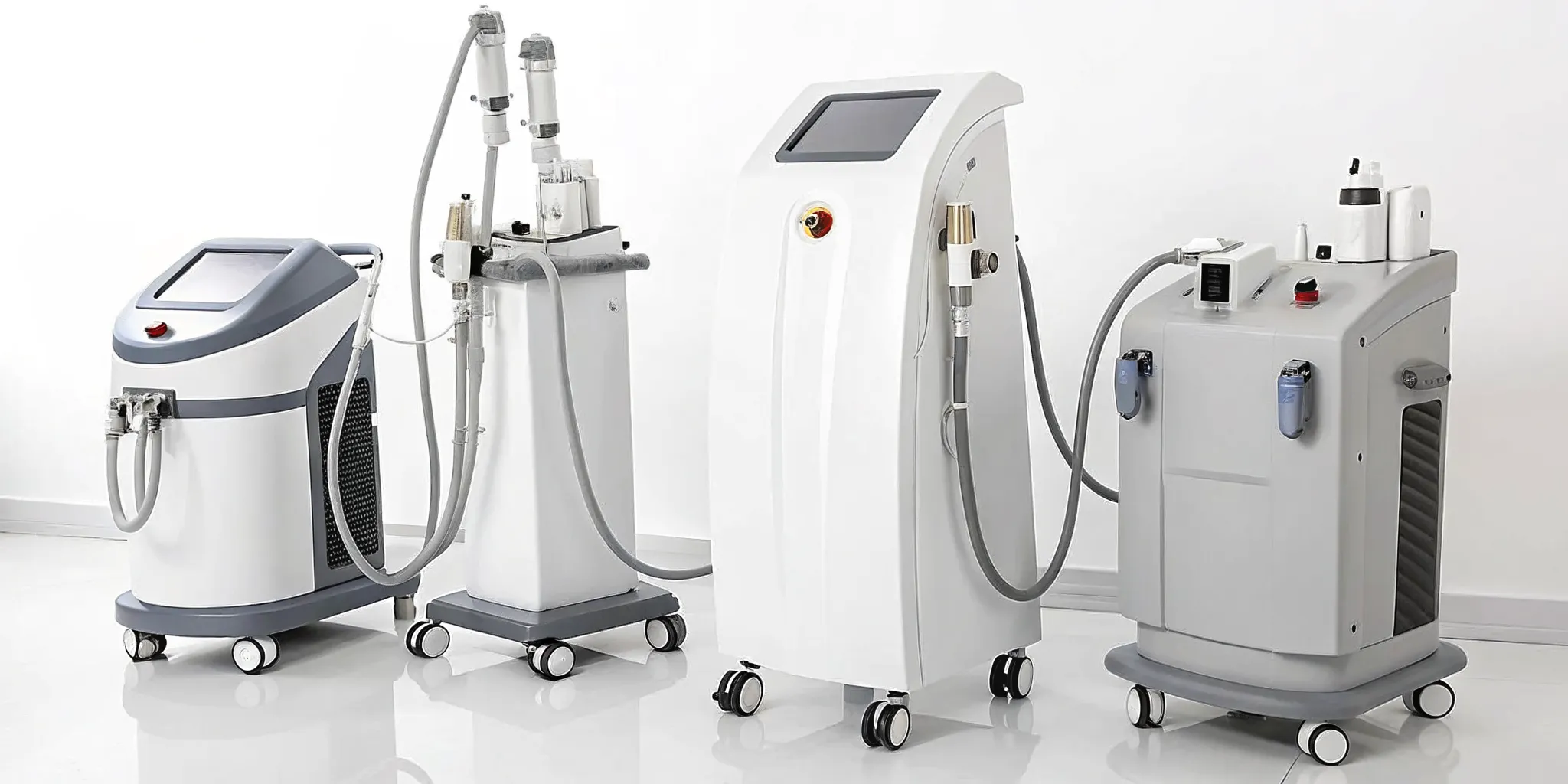
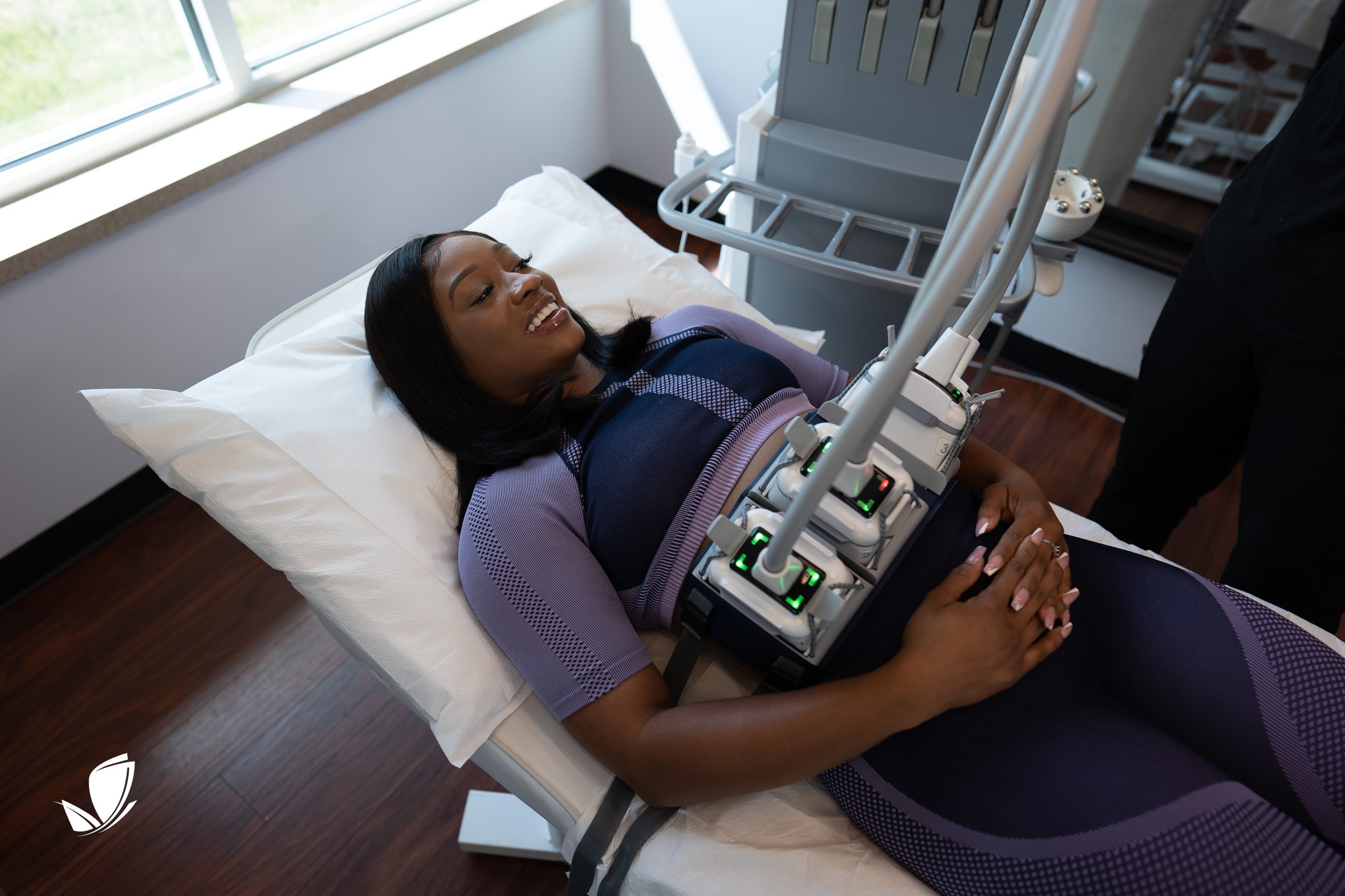
Laser stretch mark removal is a minimally invasive method of treating stretch marks. During the treatment, a technician targets high-intensity lasers to the affected area. The deep penetration of the laser stimulates collagen growth in order to thicken and resurface dermal layers. This helps improve skin structure and reduce the appearance of stretch marks.
What to Expect From Laser Therapy?
Laser therapy can be used to treat a variety of cosmetic conditions. Clients should expect the treatment to involve very brief but intense bursts of light which are absorbed by the cells after being applied over an area of skin. There is usually a warming sensation during and following treatment. Other side effects may include discomfort, redness, or itching during and after treatment.
What is Venus Legacy?
Venus Legacy is a non-invasive skin and body contouring treatment that tightens, rejuvenates and smooths the appearance of wrinkles and cellulite. It uses advanced multi-polar radio frequency technology to deliver deep heat energy into the targeted area – resulting in collagen regrowth and increased blood circulation. To further enhance results, Venus Legacy can also be combined with other treatments such as skin tightening or cellulite reduction for a more comprehensive approach to skin and body care.
What Is Venus Viva?
Venus Viva is a revolutionary non-surgical laser skin resurfacing solution, utilizing NanoFractional Radio Frequency (RF) technology for treating various skincare concerns. This device combines the power of RF and Advanced SmartScanTM technology to deliver more consistent results with more even energy distribution over the treated area. It provides control over treatment depth in the epidermal and dermal skin layers, making it an effective method for reducing wrinkles, minimizing pore size, and improving texture. Additionally, this minimally invasive laser treatment does not exacerbate irritations associated with laser treatments – making it an excellent option for those with sensitive skin or active acne breakout.
What Is Sofwave?
Sofwave is a non-invasive and quick skin tightening treatment. Sofwave utilizes ultrasonic energy that heats the lower layers of the skin without damaging the outer layers of the epidermis. The ultrasonic heat energy is delivered accurately and safely to produce exactly the desired outcome. With no downtime and without any discomfort, thousands of clients have experienced greater elasticity and improved appearance in just one treatment session. Results may be seen as soon as 1-2 weeks with maximum results appearing after 4 months. This makes it an ideal solution for those seeking an effective skin tightening treatment without having to undergo invasive surgery.
Understanding Different Types of Laser Treatments
When you hear “laser treatment,” it’s easy to think of it as a single type of procedure. However, the world of laser and light therapy is incredibly diverse, with different technologies designed to address specific skin concerns. The best approach for your stretch marks depends on their age, color, and your skin type. Understanding the main categories of treatments is the first step in figuring out what might work for you. The primary distinction is between ablative lasers, which work on the skin’s surface, and non-ablative lasers, which target deeper layers to promote healing from within. Each has its own method for encouraging smoother, healthier-looking skin.
Ablative vs. Non-Ablative Lasers
The main difference between ablative and non-ablative lasers comes down to how they interact with your skin. Think of it as two different strategies for renovation: one works by refinishing the surface, while the other strengthens the foundation. Ablative lasers are more intensive and remove the outer layer of skin to reveal the fresh, new skin underneath. Non-ablative lasers take a gentler approach, heating the tissue beneath the surface to kickstart your body’s natural collagen production without affecting the top layer. Your choice between them often depends on how much downtime you’re comfortable with and the specific results you’re hoping to achieve.
Ablative Lasers: Resurfacing the Top Layer of Skin
Ablative lasers, like the CO2 laser, are the heavy hitters of skin resurfacing. They work by removing the epidermis, which is the thin, outermost layer of your skin. This process effectively eliminates damaged surface cells and triggers a powerful healing response. As your skin heals, it produces new collagen, resulting in a smoother and more even texture. Because this method is more aggressive, it often produces significant results but also comes with a longer recovery period. You can expect some side effects like redness, mild discomfort, and scabbing as your new skin emerges.
Non-Ablative Lasers: Stimulating Collagen from Within
Non-ablative lasers, such as Fraxel, offer a less invasive path to skin rejuvenation. Instead of removing the top layer of skin, these lasers send heat deep into the dermis. This targeted energy creates a controlled thermal effect that stimulates your body to produce new collagen and elastin—the essential proteins that give your skin its firmness and elasticity. Because the surface of your skin remains intact, there is typically minimal downtime involved. This makes it a popular option for people who want to improve the appearance of stretch marks without a lengthy recovery process.
Choosing the Best Laser for Your Stretch Marks
The color of your stretch marks is a key indicator of their age and helps determine the most effective treatment. Newer stretch marks that are red or purple are still in an inflammatory stage and have active blood vessels, making them respond differently to treatment than older, silvery-white ones. A skilled technician can assess your stretch marks and recommend a laser that specifically targets their characteristics. This personalized approach ensures you get the most benefit from your sessions, whether you’re dealing with fresh marks or ones that have been around for years.
For New, Red, or Purple Stretch Marks: Pulsed Dye Laser (PDL)
If your stretch marks are relatively new and appear red or purple, a Pulsed Dye Laser (PDL) is often the recommended treatment. These lasers produce a concentrated beam of light that targets the blood vessels just beneath the skin’s surface. The heat from the laser collapses these vessels without harming the surrounding tissue, which helps to significantly reduce the redness and inflammation. By addressing the vascularity of new stretch marks, PDL can help them fade more quickly and encourage a more even skin tone as they heal.
For Older, White, or Silver Stretch Marks: Fractional Lasers
Older stretch marks that have faded to a white or silver color lack pigment and are essentially a type of scar. For these, fractional laser therapy is widely considered the gold standard. This technology delivers microscopic columns of laser energy deep into the skin, creating tiny micro-injuries. Your body’s natural healing process kicks in, sweeping away old, damaged tissue and generating fresh collagen. This process helps rebuild the skin’s support structure from the inside out, improving the texture and reducing the indented appearance of mature stretch marks over time.
Other Light-Based Therapies
Beyond traditional lasers, other light-based treatments can also be effective for improving the appearance of stretch marks. These therapies, like Intense Pulsed Light (IPL) and the Excimer laser, use different mechanisms to target discoloration and texture. While they may not be classified as lasers in the strictest sense, they operate on similar principles of using light energy to stimulate change within the skin. They offer additional options that can be tailored to your specific needs, especially when it comes to blending the color of your stretch marks with your natural skin tone for a more uniform appearance.
Intense Pulsed Light (IPL)
Intense Pulsed Light (IPL) is not a laser but a broad-spectrum light therapy that uses multiple wavelengths to treat various skin issues. When used for stretch marks, IPL can be particularly effective at fading discoloration. The light energy is absorbed by the pigment in the skin, helping to even out skin tone and reduce the redness of newer marks. Furthermore, IPL gently heats the deeper layers of the skin, which helps to promote collagen production. This can lead to a smoother texture and a less noticeable appearance for both new and old stretch marks.
Excimer Laser
The Excimer laser offers a unique approach, especially for stretch marks that are lighter than your surrounding skin. Instead of reducing redness or resurfacing texture, this laser works to restore color. It uses a focused beam of ultraviolet B (UVB) light to stimulate melanin production in the treated area. Melanin is the pigment that gives your skin its color. By encouraging repigmentation, the Excimer laser helps these hypopigmented stretch marks darken and blend in more seamlessly with your natural skin tone, making them much less visible.
The Treatment Process
So, you’re curious about what actually happens during a laser treatment for stretch marks. The process is more straightforward than you might think. It involves a trained technician using a specialized laser to target the affected skin. The goal is to stimulate your body’s natural healing process, encouraging new collagen and elastin production to smooth and repair the skin from the inside out. This helps improve the texture and color of the stretch marks, making them much less noticeable and giving your skin a refreshed appearance.
Common Treatment Areas
One of the great things about laser therapy is its versatility. It can be used on almost any area of the body where stretch marks appear. The most common treatment areas include the stomach, thighs, upper arms, buttocks, and back. Many women also seek treatment for stretch marks on their breasts that develop during pregnancy or from weight fluctuations. Essentially, if you have stretch marks you’d like to address, there’s a very good chance laser therapy can be applied there effectively and safely to help you feel more confident in your skin.
How Long Is a Typical Session?
Your schedule is busy, so it’s helpful to know what kind of time commitment you’re looking at. A single laser session is surprisingly quick, typically lasting only about 20 to 30 minutes, depending on the size of the area being treated. However, achieving the best results isn’t a one-and-done deal. Most people require a series of treatments, usually between three and six sessions, though some may need more. These appointments are spaced several weeks apart to give your skin adequate time to heal and regenerate between visits.
Recovery and Common Side Effects
Understanding the recovery process helps you plan accordingly and feel more comfortable with the treatment. The good news is that downtime is minimal for non-invasive laser therapies. Most people can return to their daily activities right away. Your technician will provide specific aftercare instructions, which are crucial for ensuring a smooth recovery and achieving the best possible outcome. Following this guidance helps protect your skin as it heals and maximizes the effectiveness of the treatment, getting you closer to your desired results.
What to Expect Immediately After Treatment
Right after your session, it’s normal for the treated area to look and feel a bit like it has a mild sunburn. You can expect some redness and slight soreness, which is actually a positive sign. This reaction indicates that the laser has effectively stimulated the deeper layers of your skin, kicking off the production of new, healthy skin cells. This initial response is the first step in the skin’s renewal process that will ultimately reduce the appearance of your stretch marks and improve overall skin texture.
How Long Do Side Effects Last?
The immediate side effects are usually short-lived. The pink or reddish appearance of the skin typically fades within four to eight hours after the treatment. You might also feel a slight stinging sensation in the area, similar to a sunburn, but this generally subsides within four to six hours. Most clients find these effects to be very manageable and a small trade-off for the long-term improvements in their skin’s appearance. It’s a temporary response on the path to smoother, more even-toned skin.
Results, Candidacy, and Care
When considering any cosmetic treatment, you want to know three things: Will it work for me, what are the results like, and how do I take care of my skin? Laser therapy has a strong track record for improving the appearance of stretch marks, but results can vary based on individual factors like skin type, age of the stretch marks, and adherence to post-treatment care. A personalized consultation is the best way to get a clear picture of the results you can expect and to create a treatment plan tailored to your specific goals.
How Effective Is Laser Treatment?
Laser therapy is one of the most effective treatments available for reducing the appearance of stretch marks. By promoting collagen and elastin growth, it helps to rebuild the skin’s supportive structure. This process smooths the skin’s surface and can significantly fade the discoloration of both new and old stretch marks. While it may not remove them completely, the improvement can be dramatic, leading to smoother, more even-toned skin and a big confidence refresh. It’s a powerful tool for skin rejuvenation.
What Percentage of Improvement Can I Expect?
It’s important to have realistic expectations. Studies have shown that laser treatments can result in a 20% to 60% improvement in the appearance of stretch marks after a series of sessions. Some research even indicates that patients can see a 51% to 75% improvement in their size and severity. The exact percentage depends on factors like the type of laser used, the color and age of your stretch marks, and your skin type. Your technician can give you a more personalized expectation during your consultation.
How Many Sessions Are Needed?
Consistency is key when it comes to laser treatments. While you may notice some improvement after just one session, the most significant and lasting results come from completing a full series of treatments. Most people need between three to five sessions to achieve their desired outcome. Spacing these treatments out allows your skin the time it needs to heal and produce new collagen, with each session building on the progress of the last to deliver the best possible results.
Are the Results Permanent?
For the most part, yes. The results you achieve from laser stretch mark therapy are considered permanent because the treatment fundamentally changes the structure of your skin by creating new collagen. The treated stretch marks should not reappear. However, it’s important to remember that laser therapy doesn’t prevent new stretch marks from forming. Maintaining a stable weight and healthy lifestyle can help, and some people may opt for occasional touch-up treatments to maintain their results over the long term.
Who Is an Ideal Candidate for Treatment?
While laser therapy is effective for many, it works best for certain individuals. The ideal candidates often have fair to light skin tones and stretch marks that are not excessively deep. This is because the laser targets pigment, and less contrast between the skin and stretch mark can sometimes yield better results. However, advancements in laser technology have made treatments safer and more effective for a wider range of skin types. The only way to know for sure if you’re a good candidate is to schedule a free personal consultation to have your skin assessed by a professional.
Preparing for Your Laser Session
Proper preparation can make a big difference in the effectiveness of your laser treatment and the smoothness of your recovery. Your provider will give you a specific set of instructions to follow in the days and weeks leading up to your appointment. This typically includes avoiding sun exposure, tanning beds, and certain skincare products that can make your skin more sensitive. Following these guidelines helps ensure your skin is in the best possible condition for treatment, setting you up for success from the very beginning.
Pre-Treatment Instructions
To get your skin ready, some clinics may recommend a specific skincare routine. For instance, you might be advised to start using a topical product with retinoids for at least a week before your first session. Retinoids can help to speed up cell turnover and may enhance the final results of your laser therapy. It’s also crucial to avoid sun exposure on the treatment area, as tanned or sunburned skin cannot be safely treated with a laser. Always talk to your technician about your current skincare regimen.
Post-Treatment Care for Optimal Results
What you do after your session is just as important as what you do before. Following your provider’s aftercare instructions is essential to prevent any complications like infection or scarring and to ensure you get the beautiful results you’re looking for. This will likely include keeping the area clean, moisturized, and protected from the sun with a high-SPF sunscreen. Gentle care allows your skin to heal properly and regenerate effectively, maximizing the benefits of each treatment.
Understanding the Cost of Laser for Stretch Marks
Investing in yourself is always worthwhile, but it’s practical to understand the financial aspect of any cosmetic procedure. The cost of laser stretch mark removal can vary significantly based on several factors. These include the size and number of areas being treated, the specific type of laser technology used, and the number of sessions required to achieve your goals. The geographic location of the clinic can also play a role in pricing. A consultation is the best way to get an accurate quote tailored to your unique treatment plan.
Average Price Range
Because every treatment plan is customized, there’s a wide range when it comes to cost. On average, a complete course of laser treatments for stretch marks can range from $500 to nearly $9,000. A smaller area requiring fewer sessions will be on the lower end of that spectrum, while treating larger areas like the full abdomen or thighs will be more of an investment. At LightRx, we offer flexible membership plans that can make treatments more affordable and accessible for your budget.
Is Laser Treatment Covered by Insurance?
It’s important to know that laser stretch mark removal is considered a cosmetic procedure, which means it is not typically covered by health insurance. Since stretch marks don’t pose a medical risk, their treatment is seen as elective. You should plan for the cost to be an out-of-pocket expense. Many medspas, including LightRx, offer financing options or payment plans to help you manage the cost and fit the treatment into your budget without stress, so you can focus on your results.
How Radiofrequency Differs from Laser Therapy
While both radiofrequency (RF) and laser therapy are fantastic for skin rejuvenation, they work in fundamentally different ways. Think of it like this: laser therapy uses focused light energy to treat the skin’s surface, making it a great option for addressing issues like pigmentation, sun damage, and fine lines in the top layers. On the other hand, radiofrequency uses heat energy that penetrates deeper into the dermis to stimulate new collagen and elastin production from the inside out. This makes RF treatments, like our skin tightening services, particularly effective for improving skin laxity and firmness. Because they target different layers of the skin, the best choice really depends on your specific goals, which is why a personal consultation is so important to create the right treatment plan for you.
How Ultrasound Technology Works for Skin Rejuvenation
Ultrasound technology offers a unique approach to skin rejuvenation by working from the inside out. Treatments like Sofwave use focused ultrasonic energy to gently heat the deeper layers of your skin, all while keeping the surface layer completely safe and intact. This targeted heat kickstarts your body’s natural collagen production process. As new collagen forms, your skin becomes firmer, more elastic, and smoother in appearance. It’s an effective way to improve overall skin quality and can be a great complementary treatment to address the skin laxity that sometimes accompanies stretch marks, helping to create a more uniform and youthful look.
Alternative Professional Treatments for Stretch Marks
While laser and light-based therapies are fantastic for treating stretch marks, it’s smart to be aware of all the professional options available. Every person’s skin is different, and what works for one might not be the best fit for another. Understanding the full landscape of treatments helps you have a productive conversation with a specialist and make a confident decision. Beyond lasers, other effective methods include microneedling, microdermabrasion, and surgical procedures. Each has its own process and results, giving you a range of choices on your journey to smoother skin.
Microneedling
Microneedling is a minimally invasive treatment that harnesses your skin’s own healing powers. The procedure uses a device with fine needles to create tiny, controlled micro-injuries in the skin. This process triggers your body’s natural healing response, which includes a surge in collagen and elastin production. As the skin heals, this new collagen helps remodel the scar tissue that forms stretch marks, gradually improving their texture and making them less noticeable. It often takes a series of treatments to achieve the best results, but many people see a significant difference over time.
Microdermabrasion
Think of microdermabrasion as a powerful form of exfoliation. This non-invasive procedure works by gently sanding away the thick, outer layer of your skin to reveal the smoother skin underneath. By removing the top layer of dead skin cells, microdermabrasion encourages new cell growth and can lessen the surface appearance of older, white stretch marks. It’s a great option if you’re looking for a less aggressive treatment with zero downtime. For noticeable improvement, you’ll likely need a series of sessions to see a cumulative effect on your skin’s texture.
Surgical Options
For a more permanent and dramatic solution, surgical options are also available. Procedures like an abdominoplasty, or tummy tuck, physically remove excess skin from the stomach—and the stretch marks along with it. This is a much more invasive route compared to non-surgical treatments and involves a significant recovery period. While surgery can deliver transformative results, especially after pregnancy or major weight loss, it’s a serious decision. It’s best suited for individuals looking to address both loose skin and stretch marks in a single procedure and who are prepared for the downtime.
Additional Frequently Asked Questions
The sensation from laser treatments is often described as mild and temporary stinging or tingling. Any associated discomfort should dissipate quickly after the treatment is complete.
The number of treatments necessary will depend on the individual case. Typically, clients may need between 3 and 10 treatment sessions spaced out several weeks apart in order to achieve optimal results for improved skin texture and reduced appearance of stretch marks.
Want to Say Goodbye to Stretch Marks?
If you’re looking for a safe and non-invasive way to improve the look of your stretch marks, laser therapy for stretch marks is an excellent option. With minimal side effects and visible results after just a few sessions – it’s no wonder why so many people are choosing laser therapy as their preferred method for combating post-pregnancy and rapid weight gain induced skin scars. The first step in the stretch mark treatment journey is a free personal consultation. During your consultation, you will meet with an experienced medical spa technician who will ask you about your medical history and your cosmetic goals. They will use this information to create a personal treatment plan for you. Your personal treatment plan will detail how many treatments you will need and how often you will need to receive treatment to achieve your goals. Your personal treatment plan will also provide you with information about adjacent medical spa treatments – such as skin rejuvenation treatment, laser lipo, or laser fat removal – that you can utilize to exceed your cosmetic goals. Schedule your free personal consultation today to get started.
Key Takeaways
- Laser therapy rebuilds skin from within: Lasers send targeted energy deep into your skin to kickstart natural collagen and elastin production. This process helps repair the damaged structure that causes stretch marks, leading to smoother, more even-toned skin over time.
- The right treatment depends on the stretch mark: Not all lasers are the same. Newer, red stretch marks respond best to treatments that target pigment, while older, white marks benefit from lasers that focus on rebuilding texture. A professional consultation is essential to match the right technology to your skin.
- Successful treatment is a process: Lasting improvement requires a series of sessions, typically three to five, to see significant results. The changes to treated stretch marks are permanent, so it’s an investment in your skin that requires planning and commitment.