
7 Frown Lines Treatment Options to Consider
Have you ever wondered why you have frown lines when a friend who makes the same expressions doesn’t? The answer is a mix of genetics, sun exposure, and the natural aging process. While you can’t change your DNA, you can absolutely control how you address its effects. Understanding what causes these lines is the first step toward finding the most effective solution. Whether your lines are just starting to appear or have become deep-set over the years, there is a frown lines treatment that can help. Here, we’ll explore the best strategies for softening and preventing them, from at-home care to professional medspa procedures.
Frown lines, also called glabella lines, are the furrows between the brows that are generally shaped like the number 11. Frown lines are the result of facial expressions that gather the tissue between the eyebrows into a fold. The dual action of facial movement and the loss of skin elasticity as we age can lead to deep frown lines over time.
Why Do I Have Deep Frown Lines?
Culprits like smoking, sun damage, and repetitive facial movements can cause deep frown lines. Genetics also play a role by influencing how our skin produces wrinkles and furrows and how well our skin repairs itself. Some people tend to have more wrinkling issues in this area than others. The sun’s damaging rays also create these lines by destroying collagen and elastin in the skin, contributing to the loss of elasticity and making skin wrinkle and sag easier. Aging is a natural part of life, but for the skin, it means that the loss of subcutaneous fat, which gives our skin that plump, youthful appearance, begins to wane, causing us to look older and less refreshed.
At-Home and Topical Skincare for Frown Lines
Key Skincare Ingredients to Look For
Your daily skincare routine is your first line of defense against frown lines. The right ingredients can soften their appearance and prevent them from deepening. Look for products with retinoids, which are anti-aging superstars. They speed up cell turnover and encourage your skin to produce more collagen—the protein that keeps it firm. According to the Cleveland Clinic, consistent use of retinoids, antioxidants, and daily sunscreen helps prevent further damage and stimulates new collagen. Other powerful allies include peptides for firming and hyaluronic acid, which draws in moisture to plump the skin and temporarily fill in fine lines.
Over-the-Counter Solutions like Facial Patches
Beyond serums, you can find clever over-the-counter tools to manage frown lines. Facial patches are a popular option because they work mechanically to smooth the skin. Brands like Frownies create patches that you apply directly over the lines, typically overnight. The patch acts like a splint, holding the underlying muscles flat and preventing you from furrowing your brow in your sleep. This helps retrain the muscles and soften creases over time. While they won’t erase deep-set wrinkles, they are a great, non-invasive way to manage expression lines and prevent them from becoming more pronounced.
Facial Relaxation Techniques
How you use your facial muscles matters just as much as the products you use. Many of us hold tension in our brows without realizing it, especially when stressed or concentrating. Making a conscious effort to relax these muscles can prevent frown lines from forming. One simple trick is the ‘Buddhist half smile,’ which involves gently turning up the corners of your mouth. As one Reddit user noted, this small action can naturally relax your brow area. You can also try gently massaging the space between your eyebrows daily to release built-up tension.
Finding the Best Treatment for Your Frown Lines
Botox is one of the quickest, most effective treatments for deep frown lines. It offers a safe, easy way to erase frown lines for a more youthful appearance without the downtime other procedures require. It is the best treatment for deep frown lines because it stops the contraction of the muscles in your forehead that create the frown in the first place.
How Botox Works on Frown Lines
Botox, medically known as Botulinum Toxin Type A, is a highly purified neurotoxin that blocks the nerve signals to targeted muscles when injected so the muscle doesn’t continue to contract. Relaxing the area of the forehead that creates the frown acts like a magic eraser that smooths deep frown lines to create a more youthful appearance. Botox also helps to prevent lines from becoming deeper by reducing the excessive habit of frowning. The most popular of plastic surgery injections, Botox, was FDA-approved for cosmetic use in 2002, with over 7.4 million people in the US currently receiving treatments.
What to Expect from Your Botox Treatment
Results Timeline and Duration
So, you’re ready to smooth out those lines. The treatment itself is surprisingly quick. A trained medical professional will make a few small injections into the muscles between your eyebrows. It’s a precise process designed to relax the specific muscles that cause frown lines without affecting your ability to make other facial expressions. While you might feel a slight pinch, the injections only take a few minutes. Afterward, you may notice some minor soreness or bruising, but this typically fades quickly. The best part? While the procedure is fast, the results are lasting. You’ll start to see a change within a few days, but the full, smooth effect becomes visible in about two weeks and generally lasts for three to six months.
Potential Side Effects and Long-Term Effects
As with any cosmetic treatment, it’s smart to be aware of potential side effects. Most people experience nothing more than temporary bruising, swelling, or redness at the injection site. More significant issues like allergic reactions, temporary facial muscle weakness, or changes in skin texture are rare, but possible. The key to minimizing risks and ensuring a beautiful, natural-looking result is choosing a highly qualified and experienced provider. When you work with a trusted medical spa, you can feel confident that you’re in skilled hands. During your free personal consultation, your technician will walk you through the entire process and answer any questions you have to make sure you feel completely comfortable.
Beyond Frown Lines: Other Uses for Neuromodulators
While Botox is famous for erasing frown lines, its capabilities extend far beyond the space between your brows. This versatile neuromodulator can be used to address a variety of cosmetic concerns and even some medical ones. Think of it as a multi-tool for facial refinement. For instance, it can create a subtle “brow lift” by relaxing the muscles that pull your brows down, giving you a more open and refreshed appearance. It’s also used for facial contouring, particularly for slimming the jawline by relaxing the masseter muscles, which can become enlarged from teeth grinding or clenching.
The applications don’t stop there. A skilled injector can use Botox to correct a “gummy smile” by relaxing the upper lip so it doesn’t lift as high when you smile. It can also smooth out a “golf ball chin,” which is caused by an overactive chin muscle that creates a dimpled texture. Beyond cosmetic uses, many people find relief from TMJ pain and teeth grinding when Botox is injected into the jaw muscles. It’s amazing how one treatment can offer so many different solutions, helping you fine-tune your look and even improve your comfort.
Is Botox Right for You?
Almost everyone is a good candidate for Botox. The only people who should stay away from Botox are women who are pregnant or breastfeeding. Botox administration is an art, so using a highly skilled technician is crucial to achieving optimum results. Our technicians at LightRx have learned the subtle art of achieving the most natural look for a youthful, smooth, rejuvenated appearance.
Alternative and Complementary Injectable Treatments
Exploring Other Neuromodulators: Dysport, Xeomin, and Daxxify
While Botox is the most well-known name, it’s part of a family of treatments called neuromodulators. Think of it like this: not all tissues are Kleenex, and not all neuromodulators are Botox. Products like Dysport, Xeomin, and Daxxify work on the same principle. They all use a purified protein, botulinum toxin, to temporarily relax the muscles between your eyebrows. This stops the repetitive movements that etch frown lines into your skin, smoothing existing lines and preventing them from deepening. While they share a common goal, there are subtle differences in their formulation, how quickly they take effect, and how they diffuse under the skin. A skilled practitioner can help you decide which product is the best fit for your unique facial anatomy and desired results.
Using Dermal Fillers for Static Wrinkles
Sometimes, frown lines stick around even when your face is completely at rest. These are called static wrinkles, and they often require a different approach. While Botox is fantastic for lines caused by muscle movement, dermal fillers are the go-to solution for filling in these deeper, set-in creases. Instead of relaxing a muscle, a provider injects a smooth, gel-like substance (often hyaluronic acid) directly beneath the wrinkle. This adds volume from below, instantly plumping and smoothing the skin’s surface. The effect is immediate and can last for several months to over a year, depending on the specific filler used. It’s an excellent option if you feel your frown lines make you look tired or upset even when you’re not.
The Combination Approach: Botox and Fillers
For those with particularly deep or stubborn frown lines, the best strategy is often a combination of treatments. Using Botox and fillers together creates a powerful, synergistic effect. Botox addresses the root cause of the wrinkle—the overactive muscle—by relaxing it and preventing the skin from creasing further. At the same time, a dermal filler can be used to fill in the existing furrow that the muscle has already created over time. This dual-action approach provides a more comprehensive and longer-lasting result. By tackling the problem from two different angles, you get the immediate smoothing effect of the filler and the preventative, muscle-relaxing benefit of the neuromodulator, leading to a truly refreshed and natural-looking appearance.
Exploring Non-Invasive Frown Line Treatments
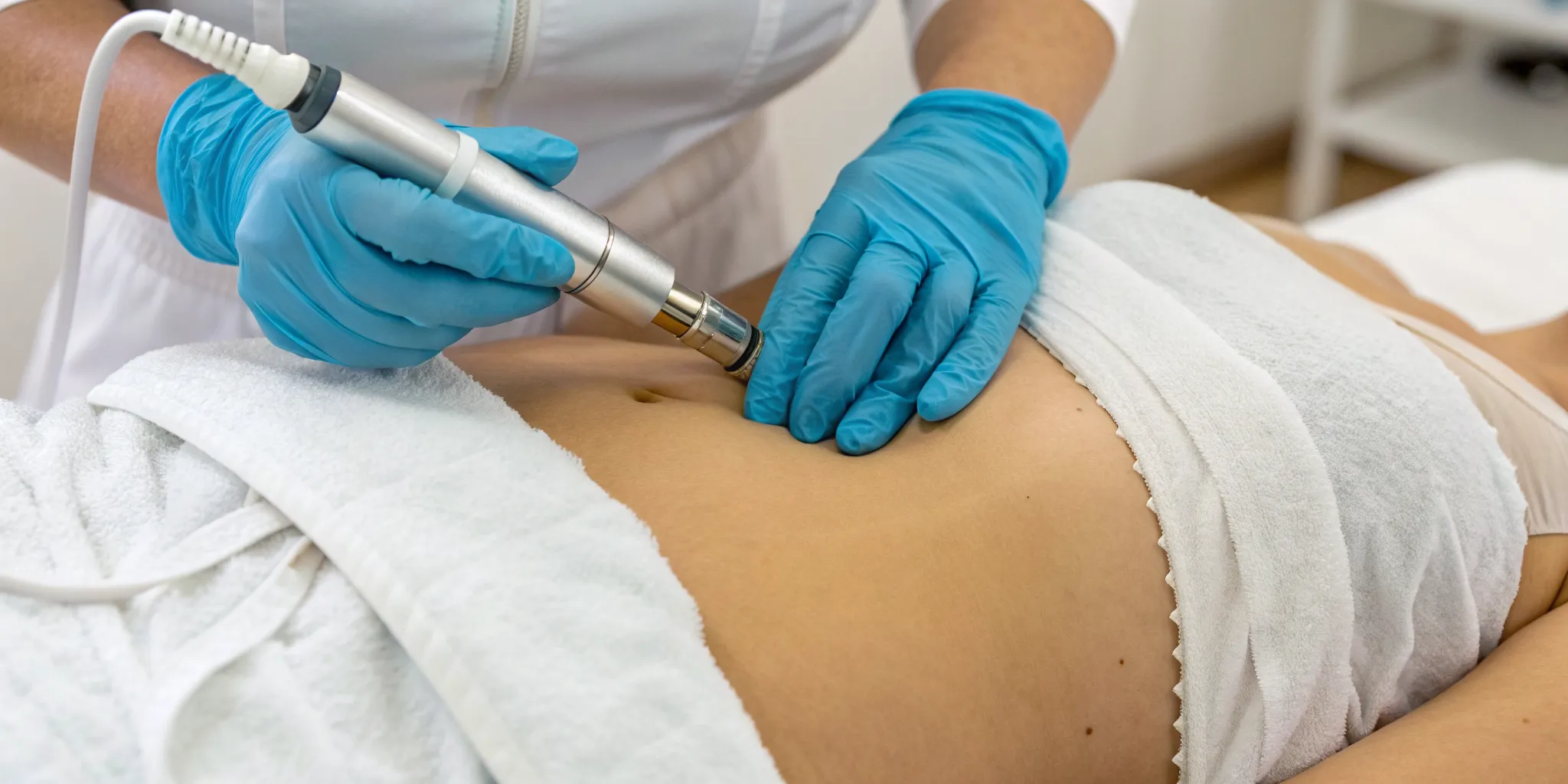
The answer is yes. At LightRx, we use radio frequencies and magnetic pulses to achieve our non-invasive skin tightening. The system causes a thermal reaction in the tissue, causing the body’s natural healing process, which acts to tighten the skin. This targeted heat activates the body’s natural healing process to promote new collagen strengthening in the skin. The collagen, now stronger, effectively smooths the treated skin. The heat causes slight damage to encourage natural healing. This healing process reveals new skin with fewer wrinkles and lines.
Other Professional Skin Rejuvenation Treatments
Beyond injectables and radiofrequency treatments, several other professional options can significantly improve the appearance of frown lines and overall skin texture. These treatments work by removing damaged outer layers of skin and stimulating your body’s natural healing processes, encouraging the growth of new, smoother skin. While they can be highly effective, it’s important to understand how each one works to decide if it aligns with your skincare goals and lifestyle. Many of these procedures require some downtime for recovery as your skin heals and rejuvenates. Consulting with a skincare professional is the best way to determine which treatment is right for your specific concerns, whether you’re targeting fine lines, discoloration, or deeper wrinkles.
Microneedling and Chemical Peels
Microneedling is a popular treatment that involves using a device with tiny, sterile needles to create controlled micro-injuries in the skin. This process triggers your body’s natural wound-healing response, which in turn stimulates the production of new collagen and elastin. Think of it as a workout for your skin. The result is improved texture and firmness, which can soften the appearance of fine lines and wrinkles. Chemical peels work differently, using a specialized chemical solution to exfoliate and remove the outermost layers of the skin. This reveals the newer, healthier skin underneath and is effective for addressing issues like wrinkles, scars, and skin discoloration. Both treatments are cornerstones of professional skin rejuvenation and can be customized in intensity to match your needs.
Laser Skin Resurfacing and Dermabrasion
For more targeted concerns, laser skin resurfacing uses focused beams of light to treat wrinkled or damaged skin. This technology is particularly effective for reducing fine lines that form around the eyes and mouth, as well as addressing issues from sun damage or acne. The laser removes skin layer by layer with precision, encouraging new cell growth for a smoother surface. Dermabrasion is a more intensive mechanical procedure where a specialist essentially “sands” away the outer layers of skin to smooth it out. According to the Cleveland Clinic, the results from dermabrasion can be permanent, making it a powerful option for those with deeper wrinkles or scars who are looking for a dramatic change.
Surgical Options for Long-Term Results
When non-invasive and minimally invasive treatments don’t provide the desired level of change, surgical procedures offer a more permanent solution for deep-set frown lines and other signs of aging. These options represent a significant commitment, involving anesthesia, considerable downtime for recovery, and higher costs compared to medspa treatments. However, for individuals seeking dramatic and long-lasting results, surgery can effectively tighten skin and remove excess tissue in a way that non-surgical methods cannot. It’s a path often considered after exploring other avenues or for those with more advanced signs of aging. Making the decision to undergo surgery requires thorough research and a detailed consultation with a board-certified plastic surgeon to fully understand the process, risks, and expected outcomes.
Brow Lifts and Facelifts
A brow lift, also known as a forehead lift, specifically targets the upper portion of the face. This procedure tightens the skin on the forehead to smooth wrinkles and can even involve altering the muscles that cause deep frown lines to form between the brows. It’s a focused approach to creating a more relaxed and refreshed appearance in the upper third of the face. A facelift is a more comprehensive surgery that addresses sagging and wrinkles across the entire face and neck. By tightening underlying muscles and repositioning skin, a facelift can correct deep creases, jowls, and loose skin for a much more youthful contour. Both are major surgical procedures that offer transformative, long-term results for the right candidate.
How We Treat Frown Lines Without Injections
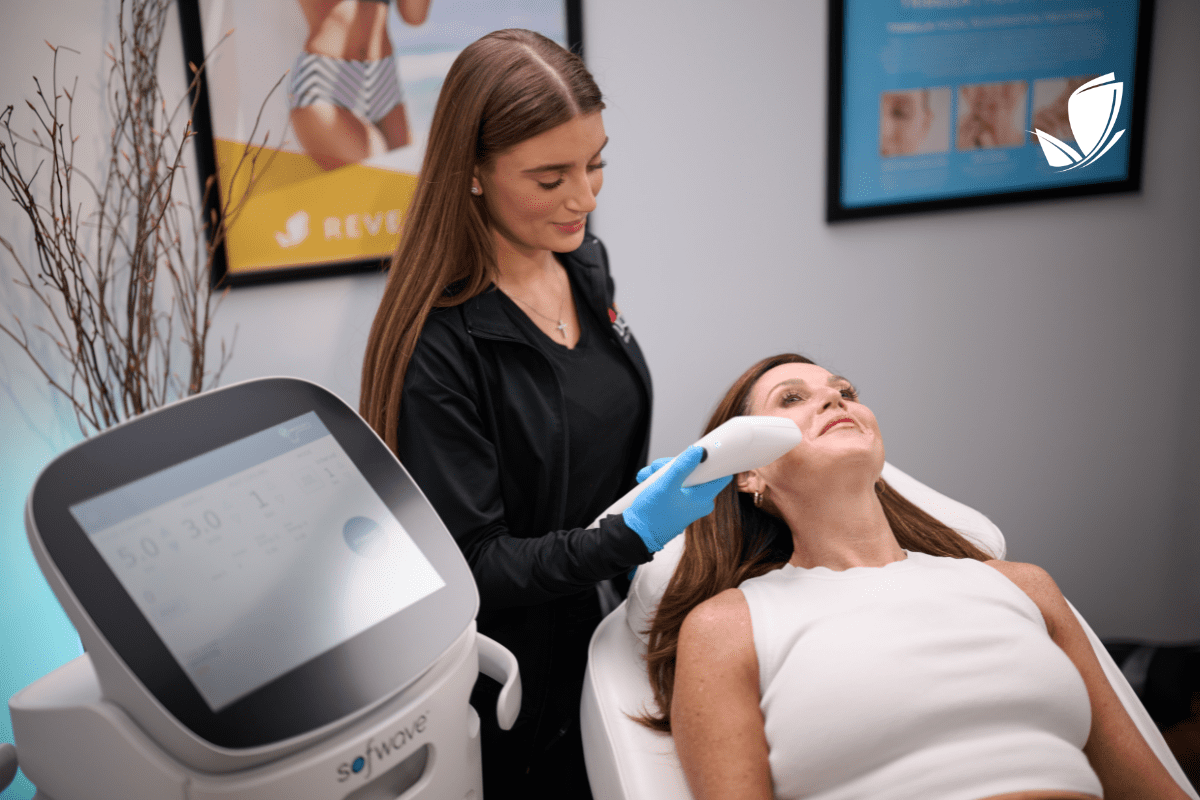
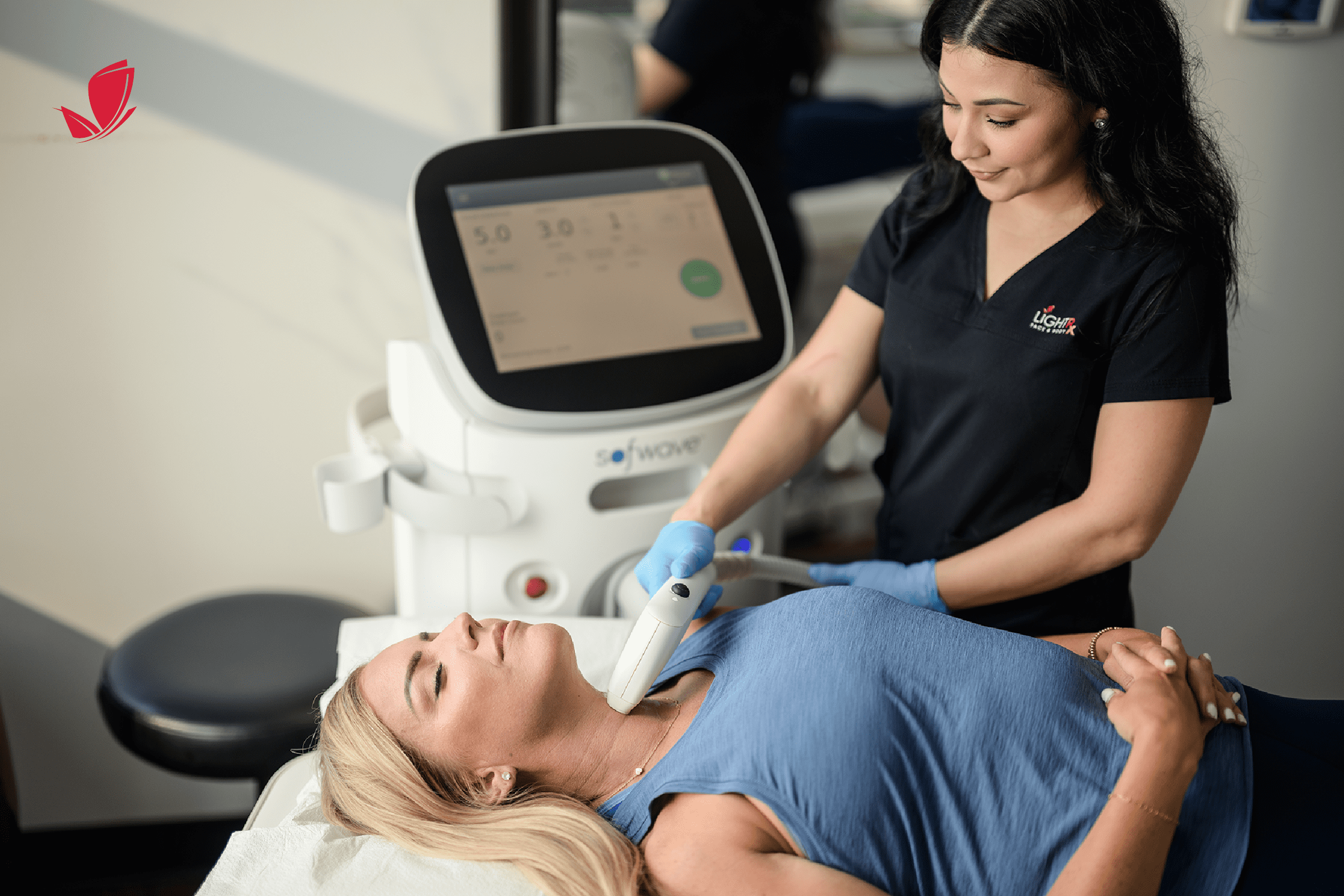
Our best treatment for deep frown lines using non-invasive technology is our Sofwave technology. Sofwave is unique because it uses Synchronous Ultrasound Parallel Beam Technology, SUPERB, which delivers heat to the correct depth of 1.5mm in the mid dermis. Sofwave also has an integrated cooling SofCool™mechanism designed to protect the top layer of skin from burning. A topical anesthetic is also used to ensure our customers are comfortable during treatment.
Important Considerations Before Any Treatment
Who Gets Wrinkle Treatments?
When it comes to treatments like Botox, the good news is that most people are great candidates. The primary exceptions are women who are pregnant or breastfeeding, who should hold off on these types of procedures. For any cosmetic treatment, the most important step is determining if it’s the right fit for your specific skin concerns and goals. This is why a personal consultation is so valuable. It’s a chance to discuss your medical history and what you hope to achieve, ensuring the chosen treatment plan is perfectly tailored to you. At LightRx, we offer a free personal consultation to help you understand your options and feel confident in your decision.
Managing Expectations and Treatment Limitations
It’s important to have a realistic picture of what different treatments can accomplish. While over-the-counter anti-wrinkle creams can be helpful for very fine lines, they often fall short when it comes to deeper, more established frown lines. For more significant results, you’ll want to see a qualified professional. The treatment itself is usually quick; injections often take just a few minutes. You might notice some minor soreness or bruising right after, but the full, smooth results typically become visible in about two weeks. Understanding this timeline helps you know exactly what to expect as your skin begins to show the beautiful effects of your skin rejuvenation treatment.
General Risks and Recovery Timelines
Every cosmetic procedure comes with potential risks, and it’s essential to be aware of them. Possible issues can range from temporary bruising and swelling to, more rarely, allergic reactions or changes in skin texture. Choosing a reputable and experienced provider significantly minimizes these risks. Recovery time also varies widely depending on the treatment you choose. For instance, wrinkle-relaxing injections like Botox generally require no recovery time at all. Other treatments, such as fillers or microneedling, might involve one to three days of mild downtime, while more intensive procedures like laser skin resurfacing could require one to three weeks for full recovery.
Your Next Steps for Treating Frown Lines
- Break the habit of frowning
- Wear sunglasses outdoors to eliminate the need to squint
- Antioxidants: a diet rich in fresh fruit, vegetables, vitamins, and minerals is a good routine that promotes skin repair.
- Wear sunscreen
- Stop smoking
At LightRx, we are here to discuss your needs and help you design a Treat2Complete custom plan just for you. Our free consultations will answer any questions you may have about our skin-tightening procedures. Schedule a free consultation today!
Frequently Asked Questions
What’s the difference between using Botox and dermal fillers for frown lines? Think of it this way: Botox works on the muscle, while fillers work on the crease itself. Botox is a neuromodulator that relaxes the muscles between your brows, preventing them from making the movements that cause frown lines. It’s fantastic for lines that appear when you’re expressing yourself. Dermal fillers, on the other hand, are used to fill in lines that are visible even when your face is at rest. They add volume under the skin to smooth out those deeper, set-in wrinkles.
Will getting Botox make me look “frozen” or unnatural? This is a very common concern, but a “frozen” look is not the goal of a good treatment. When administered by a skilled and experienced technician, Botox should look completely natural. The key is precise injection into only the specific muscles causing the frown lines. This softens the wrinkles without affecting your ability to show other emotions. The goal is to look refreshed and relaxed, not expressionless.
I’m not ready for injectables. Are there any effective professional treatments that don’t involve needles? Absolutely. If you’re looking for a non-invasive approach, treatments that use technologies like radiofrequency or ultrasound are excellent options. These procedures work by gently heating the deeper layers of your skin, which encourages your body to produce new collagen. This process naturally tightens and smooths the skin over time, softening the appearance of frown lines without any injections.
How long do the results from a treatment like Botox actually last? The effects of Botox are temporary, which gives you control over your treatment plan. Typically, you can expect the smoothing results to last for about three to six months. As the product naturally wears off, muscle movement will gradually return, and the lines may reappear. Many people schedule regular appointments a few times a year to maintain their results consistently.
With so many options, how can I figure out the best treatment for my specific frown lines? The best way to determine your ideal treatment is through a one-on-one conversation with a professional. Everyone’s skin and facial structure are unique, so what works for one person might not be the best choice for another. A personal consultation allows a technician to assess your specific lines, discuss your goals, and recommend a tailored plan, whether it’s Botox, a filler, a non-invasive procedure, or a combination of treatments.
Key Takeaways
- Combine daily habits with professional help: Your at-home routine with ingredients like retinoids is crucial for prevention, but professional treatments provide the most effective solutions for smoothing existing, deep-set lines.
- Understand your injectable options: Neuromodulators like Botox are ideal for lines caused by facial expressions because they relax the underlying muscles. Dermal fillers work differently by adding volume to fill in static wrinkles that are visible even when your face is at rest.
- Consider non-invasive technologies: If you prefer to avoid injections, treatments like radiofrequency, microneedling, and laser resurfacing can significantly improve skin texture and firmness by stimulating your body’s natural collagen production.