
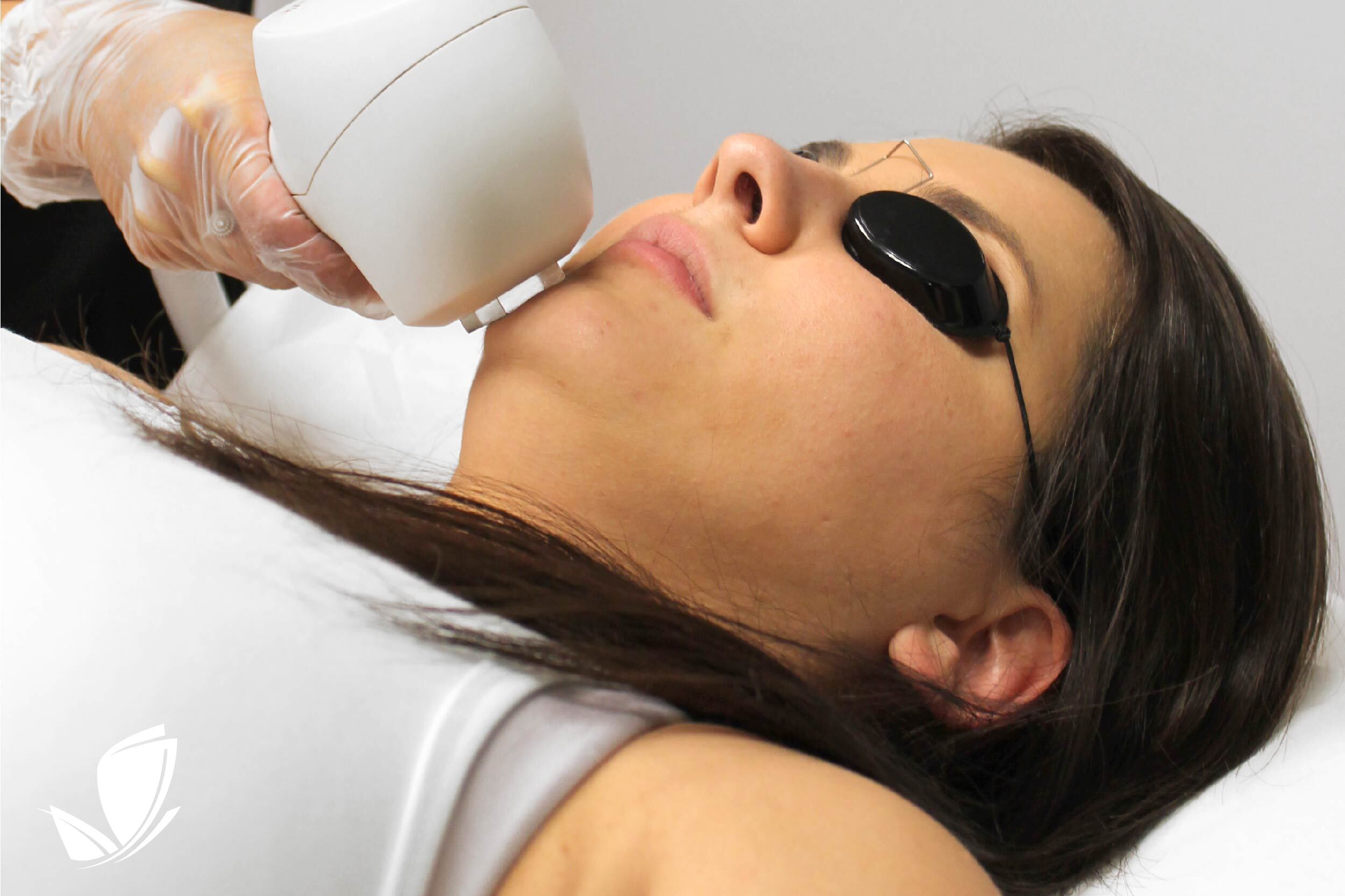
Does Laser Scar Removal Work? A Realistic Guide
Every scar forms because your body did a rush job healing a wound, leaving behind disorganized collagen fibers. Think of it like a quick patch instead of a careful repair. So, does laser scar removal work to fix this? Yes, by essentially giving your body a second chance to heal the area correctly. The treatment uses targeted light energy to gently heat the underlying tissue, which breaks down the old, messy collagen and signals your body to create new, neatly organized fibers. This rebuilds the skin from the inside out, resulting in a smoother surface and a less noticeable scar.
Scars can be hard to carry. Often if you have a noticeable scar, it can change your self-image, and the way that others perceive you. There are ways to reduce the look of your scarring and one such treatment is laser scar removal. To better understand how laser scar removal works it is important to know how scars are formed in the first place. Scars occur because of serious trauma to the skin. When your skin is damaged the body uses its resources to try to heal the wound as quickly as possible. Your body does a rush job and pumps out as much collagen as quickly as possible. This collagen is a skin fiber that is responsible for tightening the skin. Because the body rushes to create the new skin it does not worry about doing it in a neat little pattern. Laser scar removal works by hijacking that same process and refining it. The lasers heat the skin and reactivate the collagen, allowing them to reshape and reform, but not in a hurry. The collagen fibers will tighten the skin and make it look more natural. This process does not remove the scar entirely but can drastically reduce its appearance.
What Results Can You Realistically Expect?
Going into any cosmetic treatment, it’s important to have a clear picture of the potential outcome. Laser scar removal offers significant improvement, but it’s a process of reduction, not complete erasure. The final results depend on several factors, including the type and age of your scar, your skin type, and your body’s unique healing process. The goal is to make the scar tissue blend more seamlessly with the surrounding skin, improving its texture and color. Think of it as softening the scar’s story on your skin, rather than trying to remove the chapter completely. A personalized consultation is the best first step to understanding what this treatment can do for you and your specific concerns.
The Degree of Scar Improvement
It’s crucial to set realistic expectations for what laser treatments can achieve. While they can be incredibly effective, they are not a magic wand. As one expert from the New York-Presbyterian/Weill Cornell Medical Center notes, “Laser treatments can greatly reduce how much acne scars show, but they won’t make them disappear completely.” The primary objective is to diminish the scar’s visibility by smoothing its texture, evening out its color, and reducing its thickness. For many people, this level of improvement makes a world of difference in their confidence and how they feel about their appearance, even if a faint trace of the scar remains.
More Than Just Cosmetic: Functional Benefits
Sometimes, a scar is more than just a mark on the skin; it can be physically uncomfortable. Scars, especially those from surgery or significant injuries, can become tight, itchy, or even restrict movement if they’re located over a joint. Laser treatments can address these functional issues, too. According to MedStar Health, “Laser revision treatment helps these problematic scars by making them thinner, softer, and more flexible, closer to normal skin.” This can relieve discomfort and restore a greater range of motion, providing a benefit that goes far beyond the cosmetic improvement you see in the mirror.
The Timeline for Seeing Your Final Results
Patience is a key part of the laser scar removal process. The changes happen deep within your skin as your body is stimulated to produce new, organized collagen, and that takes time. The American Academy of Dermatology advises, “Don’t expect to see big changes right away. It can take months for the full results of laser scar treatment to show up.” You will likely need a series of treatments, spaced several weeks apart, to achieve the best outcome. Your skin will continue to remodel and improve for months even after your final session, so the results unfold gradually.
How Different Types of Lasers Treat Scars
The term “laser” covers a wide range of advanced technologies, and not all lasers are created equal when it comes to treating scars. The best type of laser for you depends entirely on the characteristics of your scar—whether it’s raised, indented, red, or dark. This is why a professional assessment is so important. An experienced technician can evaluate your scar and create a personalized treatment plan using the specific technology designed to address your concerns. At LightRx, we use a variety of advanced, FDA-cleared technologies to ensure we can offer the most effective aesthetic treatments for each client’s unique needs, from skin texture to pigmentation.
Ablative vs. Non-Ablative Laser Treatments
Laser treatments for scars generally fall into two main categories: ablative and non-ablative. As experts at Baylor College of Medicine explain, lasers “use light energy to remove outer layers of damaged skin (ablative) or stimulate new collagen production (non-ablative).” Ablative lasers, like the CO2 laser, work by vaporizing the outer layers of skin, which prompts a significant healing response and collagen production. This approach is more intensive and requires more downtime but can produce dramatic results. Non-ablative lasers work beneath the skin’s surface to heat the underlying tissue and stimulate collagen growth without damaging the top layer, resulting in less recovery time.
Targeting Specific Concerns like Redness and Tightness
Beyond the basic categories, specific lasers are designed to target particular scar characteristics with incredible precision. For instance, if a scar is red or pink, it’s often due to the presence of tiny blood vessels. According to Baylor College of Medicine, “The Candela V-Beam Laser is good for pink, red, thick, or raised scars. It works by removing tiny blood vessels that make the scar look pink or inflamed.” This type of specialized technology allows technicians to address not just the texture of a scar but also its coloration, leading to a much more natural and blended final appearance.
Technology
For laser scar removal we use two different pieces of technology. The device will be selected for you depending on what you need and what will work best for treating your skin. These devices are the Venus Viva™ and the Aerolase Neo Elite. Both technologies work quickly and efficiently.
What is Venus Viva™?
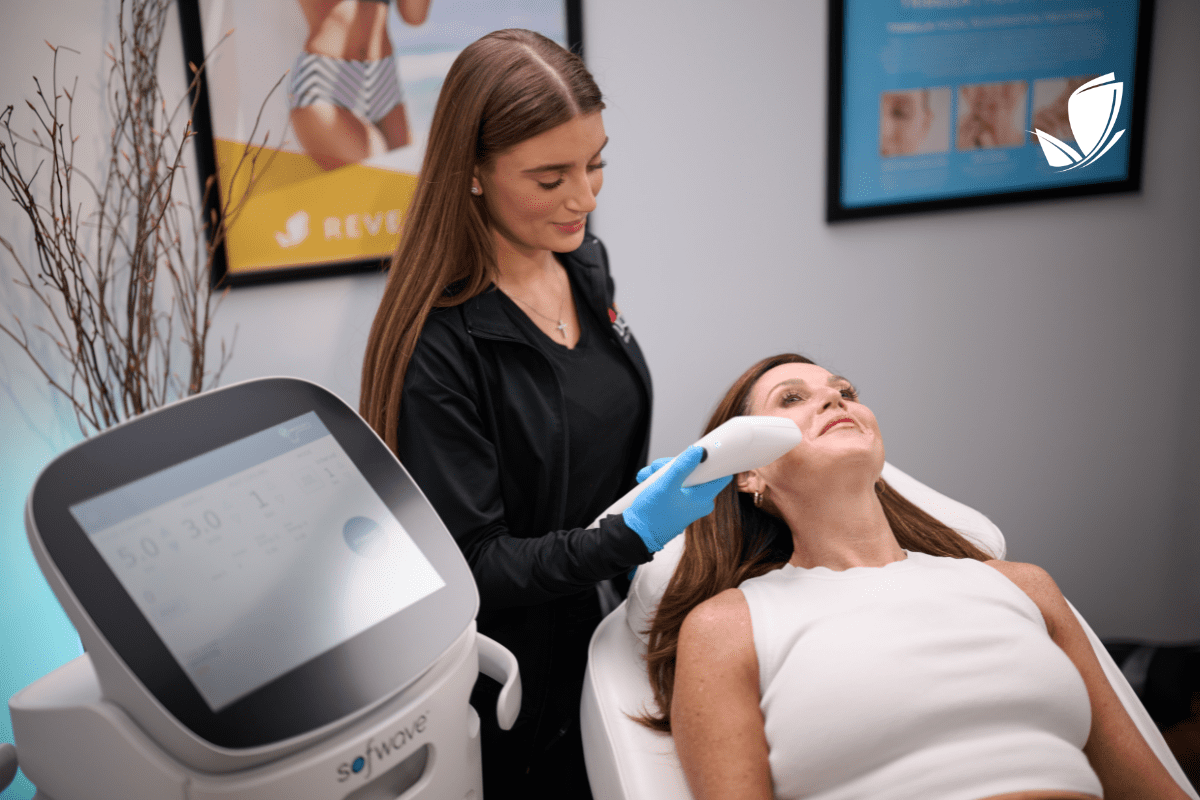
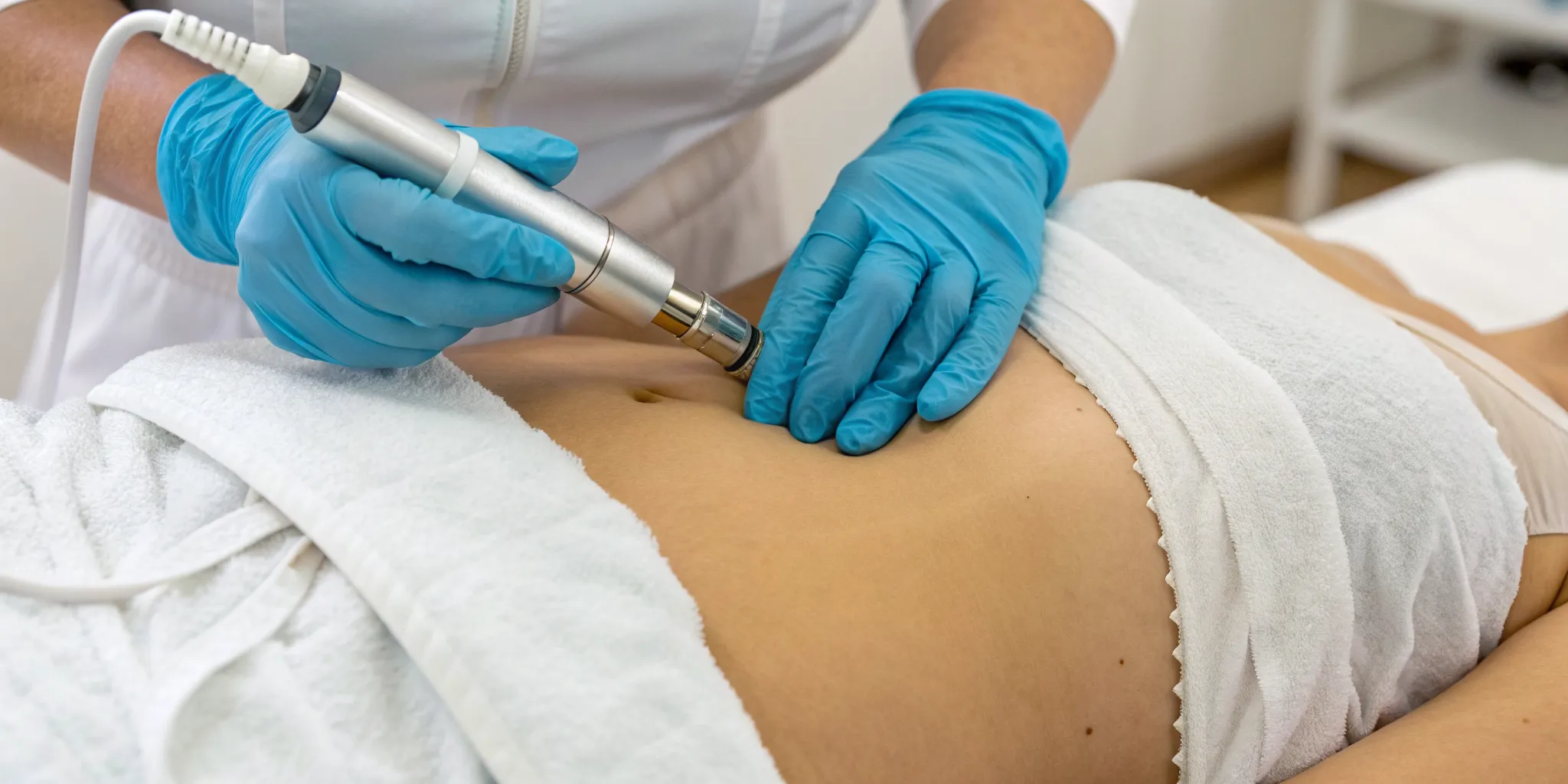
Venus Viva™ combines NanoFractional™ Radio Frequency (RF) and Pulsed Electro Magnetic Fields with SmartScan™ technology to safely deliver reparative heat to deeper layers of the skin without causing harm to any of the surrounding tissue. The RF tightens existing collagen fibers in the dermis while stimulating collagen production cells (fibroblast) to make new collagen for the skin. This process activates the body’s ability to naturally rebuild and regenerate collagen (Collagen Remodeling).
What is the Aerolase Neo Elite?
There are many benefits to using the Aerolase Neo Elite, but they can be summed up in four categories. The first is its unmatched efficacy. The deep penetration and high power of the laser allows for a wide range of treatment for skin conditions of all types on skin of all types. The second is the Neo Elite’s range of unique beam profiles. The beam can reach large spot sizes of up to 10mm, which is big for a concentrated laser, and 1.5msec pulse durations. This allows for treatment of a wide range of conditions. Third, because of the unique nature of this technology, the Aerolase Neo Elite is versatile. The wavelength options, in conjunction with the 650-microsecond technology, allows for treatment of a few conditions that would classically require several different lasers. Finally, since the Neo Elite delivers high amounts of energy within a short pulse time, a lot of the already minimal side effects are even less likely. The targeted area is the only area affected, and surrounding tissue is not at risk of being overheated. This eliminates potential burns, scarring, or purpura.
The Laser Scar Removal Process
Thinking about laser scar removal can feel like a big step, but the process itself is straightforward and designed around your safety and comfort. It all begins with a conversation to make sure this is the right path for you. From there, we’ll map out a plan that fits your specific needs, ensuring you feel confident and prepared every step of the way. The goal is to make your journey toward smoother skin as clear and comfortable as possible, starting with that very first meeting and continuing through your final treatment session.
Your Personal Consultation
Before any laser touches your skin, the most critical step is your personal consultation. This is where your journey truly begins. At LightRx, we offer a free consultation to give you the space to ask questions and understand the process without any pressure. During this meeting, a trained technician will assess your scar, discuss your medical history, and ask about any medications or supplements you take. This conversation is essential for creating a personalized and effective treatment plan that is tailored specifically to your skin type and goals, ensuring the safest and most successful outcome possible.
Preparing for Your Treatment Sessions
Once your treatment plan is set, preparing for your sessions is key to achieving the best results. Your provider will give you a specific set of instructions to follow in the weeks leading up to your appointment. This might include temporarily stopping certain habits, like smoking, which can affect healing. You may also be asked to avoid specific medications, supplements like vitamin E, or aspirin that can thin the blood. Additionally, you’ll likely need to pause the use of skin care products containing retinoids or glycolic acid for a couple of weeks to ensure your skin is in the best possible condition for treatment.
Is Laser Scar Removal Right for You?
Deciding if laser scar removal is the right choice involves looking at your specific scar, understanding the potential outcomes, and weighing the safety considerations. This treatment is a powerful tool for skin rejuvenation, but it’s not a one-size-fits-all solution. The effectiveness can depend on the type of scar you have, your skin tone, and your overall health. It’s also important to have realistic expectations; laser treatments can significantly improve a scar’s appearance, but they may not erase it completely. Exploring these factors with a professional will help you make an informed decision.
Types of Scars We Can Treat
Laser treatments are incredibly versatile and can address several types of scars, making them a popular option for skin rejuvenation. They are particularly effective for reducing the appearance of acne scars, surgical scars, and scars from injuries. While the treatment can dramatically lessen how noticeable a scar is, it’s important to remember that it won’t make it vanish entirely. Achieving the best possible results often requires a series of sessions, as each treatment builds on the last to remodel collagen and smooth the skin’s texture over time.
Safety, Risks, and Suitability for Your Skin
While laser scar removal is an FDA-cleared and safe procedure, like any medical treatment, it carries some potential risks. These can include temporary side effects like redness and swelling, or more rarely, delayed healing, infection, or changes in skin pigmentation. Choosing a reputable provider with experienced technicians is the best way to minimize these risks. During your consultation, we will thoroughly evaluate your skin and health history to confirm you are a good candidate, ensuring the procedure is both safe and suitable for you.
Special Considerations for Different Skin Tones
Your skin tone is an important factor in planning laser treatments. People with darker skin tones can have a higher risk of temporary pigmentation changes, either lightening (hypopigmentation) or darkening (hyperpigmentation) of the skin. However, an experienced technician knows how to manage this. By using specific types of lasers or adjusting the energy settings, we can safely and effectively treat all skin tones. This careful approach ensures that everyone can achieve great results while protecting the health and integrity of their skin.
Alternative and Combined Therapy Options
Sometimes, the best approach to scar treatment involves more than just a laser. To achieve the most comprehensive results, your provider might recommend combining laser therapy with other treatments. For example, depressed or atrophic scars, like some types of acne scars, often respond well to a combination of laser resurfacing and dermal fillers. The laser works to smooth the texture and stimulate collagen, while fillers help to raise the indented scar tissue, creating a more even surface. This multi-faceted approach allows us to customize your treatment for truly transformative results.
Understanding the Cost and Insurance
It’s important to have a clear picture of the financial investment required for laser scar removal. Because these treatments are typically considered cosmetic, most insurance companies do not cover the cost, even if the scar causes discomfort or restricts movement. The total price will depend on the size of the scar and the number of sessions needed. We discuss all pricing details during your free consultation, and we also offer membership options that can make managing the cost of your treatment plan more convenient.
Key Questions to Ask Your Provider
Your consultation is the perfect time to get all your questions answered so you can feel completely comfortable with your decision. Don’t hesitate to ask about anything on your mind. Some helpful questions to start with are: “How many sessions do you think I will need?”, “What will my recovery and aftercare look like?”, and “What kind of results can I realistically expect?” Following all aftercare instructions is crucial for proper healing and achieving the best outcome, so make sure you have a clear understanding of what to do after each session.
Common Questions About Laser Scar Removal
It’s completely normal to have a lot of questions before starting a new treatment. To help you feel more prepared, we’ve gathered some of the most common questions we hear about laser scar removal. From what the treatment feels like to when you can expect to see changes, getting these answers upfront can help you move forward with confidence. If you have any other questions, be sure to write them down and bring them to your consultation.
Is laser scar removal painful?
Most people describe the sensation of the laser as similar to a small rubber band snapping against the skin. While there can be some mild discomfort, the treatment is generally well-tolerated. Our advanced laser technology, like the Aerolase Neo Elite, often includes cooling features to keep your skin comfortable throughout the session. Your technician will do everything possible to ensure your experience is as pain-free as possible, and for more sensitive areas, a topical numbing cream can be applied beforehand.
How long does each session take?
The length of a laser scar removal session depends on the size, location, and complexity of the scar being treated. In general, you can expect your appointment to last anywhere from 15 to 60 minutes. Smaller scars may only take a few minutes to treat, while larger or multiple scars will require more time. We will give you a more precise time estimate during your consultation so you know exactly what to expect and can easily fit the appointments into your schedule.
What is the downtime after a treatment?
Downtime after laser scar removal varies depending on the type of laser used. Non-ablative lasers typically have minimal downtime, with most people experiencing only mild redness and swelling for a day or two, similar to a sunburn. Ablative lasers are more intensive and may require a week or more of recovery as the skin heals. Your technician will explain the expected downtime for your specific treatment plan and provide detailed aftercare instructions to support a smooth and speedy recovery.
When will I see results?
You may notice some initial improvements in your scar’s texture and color within the first few weeks after your treatment. However, the most significant results appear gradually over several months. This is because the laser stimulates your body’s natural collagen production, and it takes time for that new collagen to remodel and smooth the scar tissue. Since multiple sessions are usually needed, your final results will be most visible a few months after you complete your full treatment course.
How Many Sessions Do I Need?
The number of sessions you need will depend on your treatment plan. It can range anywhere from three to eight sessions typically and you may need more. The more serious you’re scaring the more sessions you will need to correct them. The different treatment methods also factor into the number of sessions needed.
Do You Have Before/After Photos?
Click here to see the before and after results of our laser scar removal treatment
How Long Does the Treatment Last?
Treatment time varies depending on the area being treated. Typically, treatments can take anywhere between thirty to ninety minutes, but a more exact number will be given to you at consultation.
Are Laser Scar Removal Treatments Painful?
Laser scar removal is designed to be as comfortable as possible, and the applicators have built in features to counteract any pain brought on by the process. However, because the skin is being constantly stimulated throughout the treatment you may still feel some minor pain, and of course all pain is relative. What may feel painful to some may be perfectly tolerable to others.
What is the typical downtime?
There is no downtime for laser scar removal because it is a noninvasive treatment. You may have to avoid wearing makeup for a few days, and need to avoid sun exposure, but you should be able to immediately return to your normal activities.
How Long Do the Results Last?
Results are permanent. In fact, following treatment the scar will continue to fade over time. It may take a week or two following treatments for results to begin to be noticeable and full results will not be visible until three months following the final treatment. If you are interested in learning more about our treatments and want to know more, call us at 877-721-4547 and schedule a free consultation at your local LightRx. These consultations take as little as 30 minutes and are private one on one consultations with the clinic director.
Frequently Asked Questions
Will laser treatment work on a very old scar? Yes, laser treatments can be effective on scars that are years or even decades old. The core of the treatment is to stimulate new collagen growth to remodel the skin’s texture. While older, more established scars can sometimes be more stubborn and may require more sessions, the fundamental process of breaking down disorganized tissue and rebuilding it can still lead to significant improvements in appearance.
Is laser scar removal safe for my darker skin tone? Absolutely. While it’s true that darker skin tones require a more careful approach to avoid pigmentation changes, modern lasers and skilled technicians make the treatment safe and effective for everyone. We use specific laser technologies and adjust the settings to precisely target the scar tissue without affecting the surrounding skin, minimizing any risks and ensuring a great outcome.
Why do I need multiple treatments instead of just one long one? Think of it as a careful renovation project for your skin. Each laser session stimulates a new cycle of collagen production. Spacing the treatments out gives your body the necessary time to heal and build that new, smoother layer of skin properly. Rushing the process wouldn’t work; the gradual approach allows us to achieve the best, most lasting results as each session builds on the progress of the one before it.
Will my scar be completely gone when I’m finished? The goal of laser scar removal is to make the scar significantly less noticeable, not to erase it completely. The treatment works to improve the scar’s texture and color, helping it blend seamlessly with the surrounding skin. Most people find that this level of reduction makes a huge difference in their confidence, even if a faint trace of the original mark remains.
How do I know which type of laser is right for my specific scar? You don’t have to figure that out on your own; that’s what our experts are for. During your free consultation, a trained technician will carefully examine your scar’s characteristics, like its type, depth, and color. Based on that personal assessment, they will recommend the specific technology that is best suited to give you the results you’re looking for.
Key Takeaways
- The Goal is Improvement, Not Erasure: Laser treatments work by stimulating your body to replace disorganized scar tissue with new, smoother collagen, which significantly reduces a scar’s visibility rather than removing it completely.
- A Personalized Plan is Crucial: The most effective laser and treatment schedule depends on your specific scar type, age, and skin tone, making a professional consultation the most important step for safe and successful results.
- Patience is Part of the Process: The best results appear gradually over several months because the laser triggers a natural collagen rebuilding cycle that continues to improve your skin’s texture long after your final session.